
Earthing & Lightning Protection Services
Watts & Ergon leads in earthing system installation in Dubai, offering lightning protection for industries. Our DEWA-approved solutions ensure safety and compliance. Get a free earthing quote today!
Earthing and Lightning Protection Services are critical safety components designed to divert dangerous electrical currents safely into the ground, protecting both structural integrity and human life.
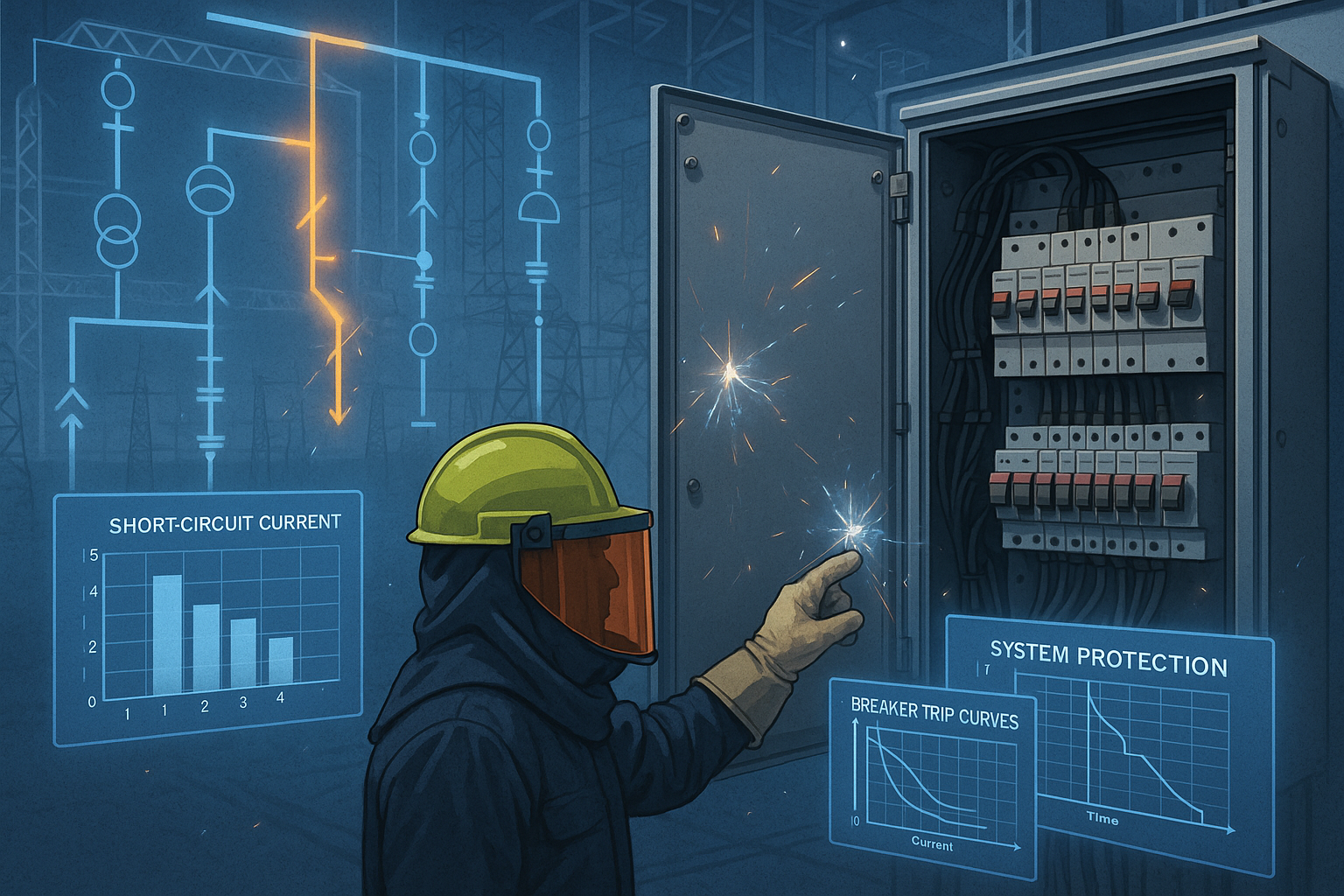
A professionally engineered earthing system provides a low-resistance path for fault currents, ensuring that protective devices like breakers trip instantly during a short circuit and preventing metallic surfaces from becoming accidentally energized. Complementing this, lightning protection systems—consisting of air terminals (lightning rods), down conductors, and specialized grounding pits—intercept high-voltage atmospheric discharges and guide them away from sensitive electronic equipment and flammable materials. In regions with high-density infrastructure or extreme weather, these services are essential for preventing catastrophic fire damage, catastrophic data loss, and equipment failure, while ensuring full compliance with international safety standards like IEC 62305.
Advanced Earthing Systems
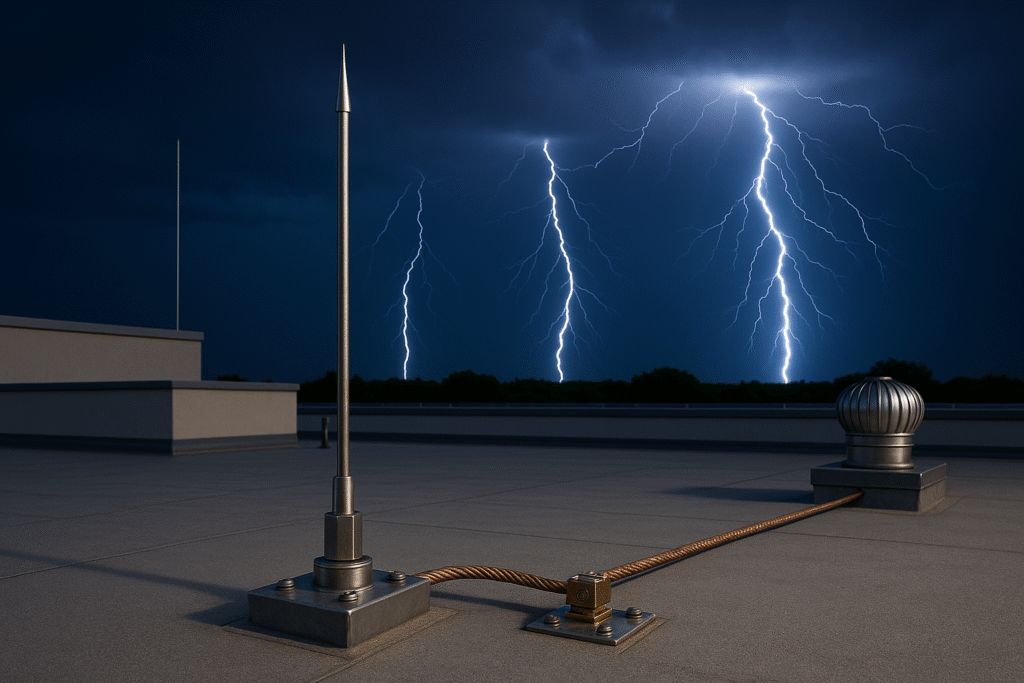
Our chemical earthing installations in Dubai ensure IEC/BS EN compliance with soil resistivity testing. DEWA-approved systems reduce electrical fault risks. Advanced Earthing Systems represent a significant evolution from traditional rod-and-clamp methods, utilizing high-conductivity materials and chemically enhanced components to achieve ultra-low resistance in challenging soil conditions. Unlike standard grounding, these systems often employ chemically charged electrodes filled with electrolytic salts that leach into the surrounding earth, creating a permanent moisture-retaining roots-like structure that lowers soil resistivity even in arid or rocky environments like the UAE.
These systems are further augmented by Ground Enhancing Compounds (GEC), which are non-corrosive, carbon-based backfills that provide a high-surface-area connection between the electrode and the earth. By maintaining a stable, low-impedance path (< 1 Ω) for high-frequency transients and fault currents, advanced earthing protects sensitive digital infrastructure, telecommunications towers, and industrial automation from the "noise" and surges that can cause catastrophic hardware failure or data corruption.
Comprehensive Lightning Protection
Watts & Ergon’s lightning protection systems in UAE include surge protection devices and risk assessments. Our experts safeguard high-rise buildings. Request a lightning protection quote for customized results!
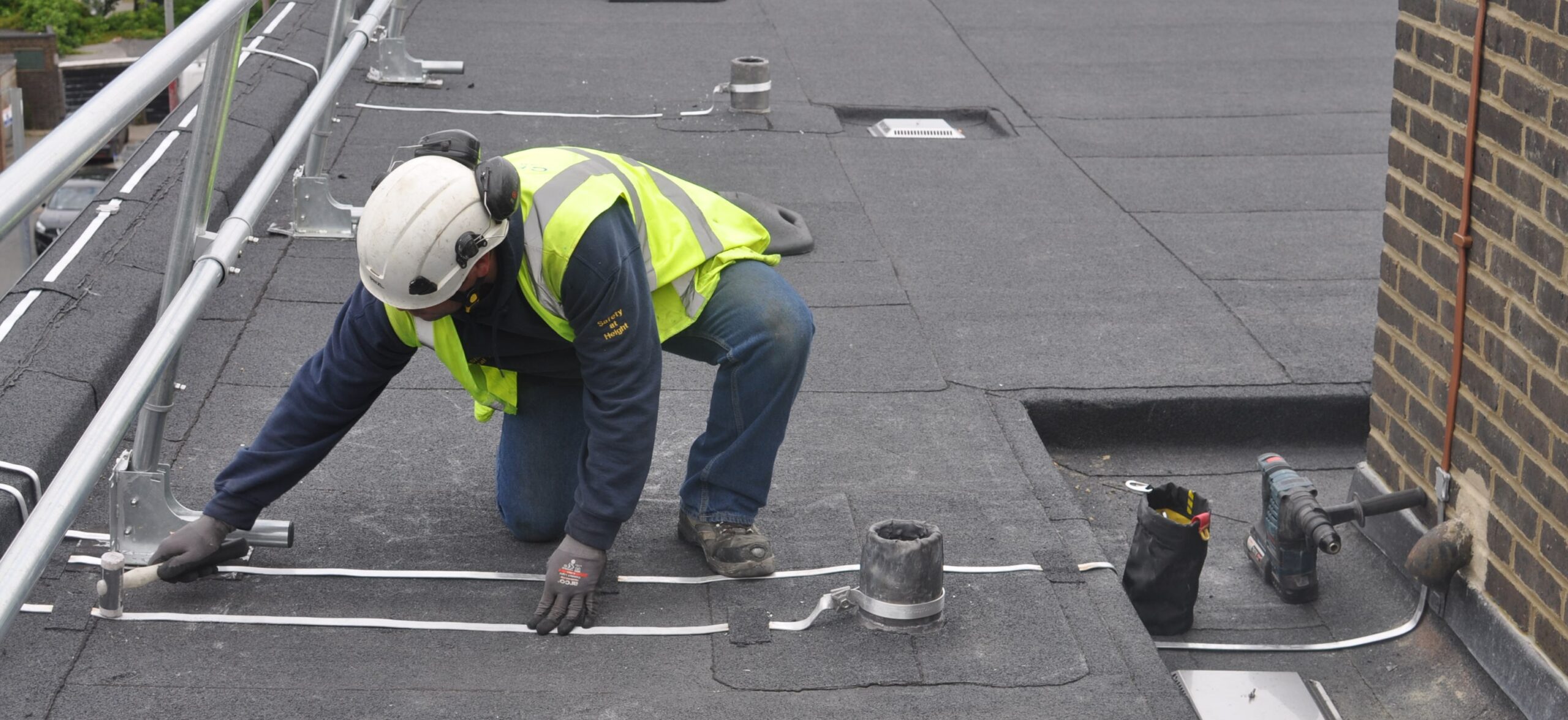
Comprehensive Lightning Protection is a multi-layered engineering approach that integrates external shielding with internal surge suppression to safeguard a structure and its occupants from atmospheric discharges. The external system serves as the first line of defense, utilizing air terminals (lightning rods), down conductors, and a dedicated earthing network to intercept a strike and provide a controlled, low-impedance path to the ground, effectively preventing structural fires or masonry explosions.
Complementing this, the internal protection layer focuses on Surge Protective Devices (SPDs) and equipotential bonding, which mitigate the “indirect” effects of lightning—such as electromagnetic interference and high-voltage transients—that can travel through utility lines to fry sensitive electronics and data centers. By adhering to international standards like IEC 62305, a comprehensive system moves beyond simple grounding to offer a holistic “Faraday Cage” effect, ensuring that even the most powerful electrical surges are neutralized before they can compromise building safety or operational continuity.
Grow with Earthing & Lightning Protection: Secure Dubai Facilities
Securing Dubai Facilities for Operational Excellence
1. The Strategic Necessity in the Dubai Context
Dubai presents a "perfect storm" of conditions that make high-end protection non-negotiable for business growth:
- Vertical Density: Dubai’s high-rise structures act as giant lightning rods. A single strike can cause catastrophic structural damage or "side-flashing."
- The Soil Resistivity Challenge: Arid sand, limestone, and high-salinity "Sabkha" flats make achieving low-resistance earth paths difficult, requiring advanced chemical enhancement.
- Hyper-Connectivity: Modern "Smart Buildings" utilize IoT and micro-electronics that are 1,000 times more sensitive to surges than traditional machinery.
2. Core Components of a Secure Facility
A. Advanced Earthing Networks
A secure facility starts below the surface with maintenance-free chemical earthing.
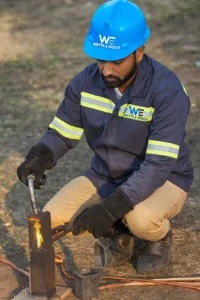
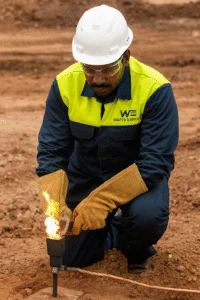
- Molecular Bonding: Using exothermic welding to fuse conductors ensures joints never corrode despite high humidity.
- Equipotential Bonding: Interconnecting all metallic services ensures every part of the building stays at the same electrical potential.
B. Comprehensive Lightning Protection (IEC 62305)
- External Protection: Air Terminals (lightning rods) or ESE devices intercept strikes and route them safely via down-conductors.
- Internal Protection: Type 1, 2, and 3 Surge Protective Devices (SPDs) block electromagnetic pulses from frying IT infrastructure.
3. Financial and Operational Benefits
| Growth Driver | Impact on Facility Management |
|---|---|
| Asset Longevity | Protects expensive HVAC chillers and elevators, extending lifecycle by 30-50%. |
| Insurance Compliance | Certified Risk Assessments and Earth Testing reduce annual premiums. |
| Zero Downtime | Prevents "ghost trips" of breakers, ensuring 24/7 continuity for data centers. |
| Regulatory Approval | Ensures smooth permit renewals with Dubai Civil Defense and DEWA. |
4. Maintenance: The Lifecycle of Safety
A system is only as good as its last test. Due to extreme heat stress, regular verification is vital:
- Annual Earth Pit Testing: Measuring resistance (ideally < 1.0 Ω for main panels) using the Fall-of-Potential method.
- Visual Inspection: Checking for oxidation on air terminals and monitoring SPD health status indicators.
FAQs
An earthing system (also known as a grounding system) is a safety circuit that connects the metallic parts of an electrical installation to the earth’s conductive surface. In the event of an insulation failure or a short circuit, the earthing system provides a low-resistance path for the “fault current” to flow safely into the ground. This prevents the metal casing of appliances, DB panels, and machinery from becoming electrified, which would otherwise pose a lethal shock hazard to anyone who touches them.
Why it is Essential for Dubai Facilities:
Extreme Soil Resistivity: Dubai’s ground is often composed of dry sand and rocky terrain, which are poor conductors of electricity. A specialized earthing system—often using chemical electrodes or Ground Enhancement Compounds (GEC)—is required to maintain a stable, low-resistance connection despite the arid conditions.
High Cooling Loads: Dubai facilities run heavy HVAC systems 24/7. These high-load motors are prone to internal insulation wear; without a robust earthing system, a motor failure could energize the entire building’s piping or ductwork.
Protection Against Lightning: As a city with many high-rise structures, Dubai is susceptible to atmospheric discharges during winter storms. The earthing system acts as the final “sink” for lightning protection systems, neutralizing millions of volts before they can cause structural fires.
DEWA Compliance: The Dubai Electricity and Water Authority (DEWA) has strict regulations (the DEWA Regulations for Electrical Installations) regarding earth electrode resistance. Facilities must pass periodic earthing tests to ensure the “Earth Loop Impedance” is low enough to trigger protective breakers instantly.
Sensitive Electronics: Dubai is a hub for data centers and smart buildings. A proper earthing system “drains” electromagnetic interference and static electricity, protecting sensitive servers and IoT devices from data corruption or hardware “frying.
Watts & Ergon’s lightning protection systems are engineered specifically for the UAE’s unique architectural and environmental challenges. Their approach follows the IEC 62305 international standard, utilizing a multi-layered defense strategy to intercept, conduct, and dissipate atmospheric discharges.
In the UAE, where high-rise structures are common and soil resistivity is high, the system works through three primary stages:
1. Interception (The External Shield):
The system uses Air Terminals (lightning rods) or Early Streamer Emission (ESE) devices installed at the highest points of the building. These terminals are designed to be the preferred strike point for lightning. In the UAE’s “super-tall” tower environment, Watts & Ergon often employs a “Faraday Cage” mesh design, ensuring that any strike hitting the roof or the sides of the building (side-flashing) is immediately captured.
2. Controlled Conduction (Down Conductors)
Once intercepted, the massive electrical surge—which can reach over 100 million volts—must be moved to the ground without jumping to the building’s internal steel structure or electrical wiring.
Heavy-Duty Conductors: High-grade copper or aluminum tapes are used as down-conductors.
Structural Integration: In modern Dubai architecture, these are often hidden within the building facade or integrated into the structural reinforced concrete (using rebar bonding) to maintain the aesthetic integrity of the facility.
3. Dissipation (The Advanced Earthing Network)
This is the most critical stage for UAE facilities. Because Dubai’s sandy soil is naturally a poor conductor, Watts & Ergon utilizes Advanced Earthing Systems to ensure the energy is neutralized quickly:
Chemical Earthing Electrodes: These are used to overcome high soil resistivity, ensuring a stable, low-impedance path (< 10 Ω).
Equipotential Bonding: All metallic services (pipes, AC ducts, and power grounds) are bonded together to prevent “spark-over” between different metal parts during a strike.
4. Internal Protection (Surge Suppression)
To protect the sensitive electronics and smart-home systems common in the UAE, the system includes Type 1 and Type 2 Surge Protective Devices (SPDs). These act as “gates” that block the secondary electromagnetic pulses (LEMP) caused by a nearby strike, which would otherwise fry servers, CCTV systems, and fire alarms.
In Dubai, grounding system design and testing is a highly regulated engineering process governed by DEWA (Dubai Electricity and Water Authority) regulations and international standards like BS 7671 and IEEE 80. Due to the city’s unique hyper-arid soil and high-density vertical infrastructure, a “standard” ground rod is rarely sufficient.
The process involves two distinct phases: specialized engineering design and rigorous field testing.
Designers must overcome high soil resistivity caused by dry sand and limestone. The process includes:
- Soil Resistivity Surveys: Performing Wenner Four-Point Tests to measure resistance at various depths.
- Advanced System Selection: Implementing chemical earthing electrodes and Ground Enhancement Compounds (GEC) to maintain low resistance in arid heat.
- Safety Grid Design: Creating copper meshes to manage Step and Touch Voltage for high-rise buildings and substations.
Verification requires rigorous field testing to meet DEWA safety thresholds (typically < 1.0 Ω for substations):
- Earth Loop Impedance: Ensuring the total electrical path allows breakers to trip instantly during a fault.
- Continuity Testing: Verifying that all metallic building elements (AC ducts, pipes) are bonded to prevent dangerous voltage differences.
| Dubai Challenge | Technical Requirement |
|---|---|
| Arid/Sabkha Soil | Requires chemical electrodes or deep-well grounding. |
| Constant High Load | Systems must withstand 100% HVAC demand without thermal failure. |
| Skyscraper Density | Must dissipate lightning strikes of millions of volts in milliseconds. |
Compliance is mandatory under DEWA and Dubai Civil Defense regulations. Professional “Earth Test Certificates” are a prerequisite for obtaining a Building Completion Certificate (BCC) and for annual insurance renewals.
In Dubai’s high-density urban environment, Surge Protection Devices (SPDs) act as high-speed “safety valves” for a building’s electrical system. They enhance safety by intercepting transient over voltages—massive spikes in electricity—and diverting them to the ground before they can reach sensitive equipment or cause a fire.
Given Dubai’s reliance on smart infrastructure and constant cooling, SPDs are a critical line of defense for the following reasons:
1. Mitigation of Lightning-Induced Surges
While Dubai is not the most lightning-prone city globally, its verticality makes its skyscrapers prime targets during winter storms. A direct or even a nearby strike creates an Electromagnetic Pulse (LEMP) that can travel through power lines.
Type 1 SPDs (Lightning Arresters) are installed at the main service entrance to handle the massive energy of a direct strike, preventing structural fires and catastrophic panel failure.
2. Protection Against Grid Instability
Dubai’s rapid expansion and massive industrial loads mean the electrical grid undergoes frequent “switching events.” When large HVAC plants in a district cooling network power on or off, they can cause “switching surges.”
Type 2 SPDs protect internal branch circuits from these frequent, smaller spikes that degrade insulation over time and lead to “ghost” electrical fires.
3. Safeguarding Smart City Infrastructure
Dubai is a global leader in “Smart Buildings” filled with IoT sensors, LED lighting controllers, and home automation systems. These micro-electronics are extremely sensitive.
* An SPD prevents a 1,000V spike from hitting a 24V sensor, ensuring that Fire Alarm Systems, CCTV, and Emergency Lighting remain operational during an electrical event.
A lightning risk assessment evaluates a building’s vulnerability to strikes and recommends protection measures. Watts & Ergon’s assessments in Dubai ensure DEWA-compliant solutions to minimize risks and protect assets.
What the Assessment Involves:
- Site Data Collection: Analysis of building height, footprint, and construction materials (steel vs. concrete).
- Environmental Analysis: Evaluation of Dubai’s “flash density” and the specific surrounding terrain.
- Utility Evaluation: Assessment of incoming power and telecom lines that can act as conduits for surges.
- Risk Calculation (R): Data is processed to determine if the current risk exceeds the Tolerable Risk (RT) threshold.
Benefits for Dubai Properties:
| Benefit | How it Protects Your Asset |
|---|---|
| Optimized Shielding | Prevents overspending while ensuring “Super-Tall” towers are protected from lateral strikes. |
| Asset Protection | Identifies mandatory SPD locations to save expensive HVAC and server hardware. |
| Legal Compliance | Provides documentation required by Dubai Civil Defense for safety certificates. |
| Lower Insurance | Proven risk mitigation often leads to a reduction in annual property insurance premiums. |
| Operational Continuity | Prevents “ghost” failures in fire alarms and security systems during storms. |
Exothermic welding creates permanent, low-resistance connections for earthing systems. Watts & Ergon uses this technique in UAE projects to ensure durable, DEWA-compliant grounding for industrial and commercial facilities.
Applications in UAE Earthing Systems:
- Corrosion Resistance (Sabkha Soil): In the UAE’s saline coastal soil, mechanical clamps often oxidize. Exothermic welds are immune to corrosion because the joint is a single, continuous piece of metal.
- High-Current Fault Handling: Designed for large HVAC plants and industrial loads, these welds ensure the joint won’t melt or fail during a massive electrical surge.
- Deep-Well Grounding: Ideal for Dubai’s deep-well systems (10–30 meters), providing a permanent connection for copper rods and tapes that never requires maintenance.
- Skyscraper Lightning Grids: Used to bond copper meshes and structural rebar in “Faraday Cage” designs, ensuring a seamless path for lightning to ground.
Comparison: Welding vs. Mechanical Clamps
| Feature | Exothermic Weld | Mechanical Clamp |
|---|---|---|
| Connection Type | Molecular Bond (Permanent) | Pressure Contact (Temporary) |
| Electrical Resistance | Extremely Low (Stable) | Higher (Increases over time) |
| Corrosion Risk | None | High (In UAE humidity) |
| Maintenance | Zero Maintenance | Requires Periodic Tightening |