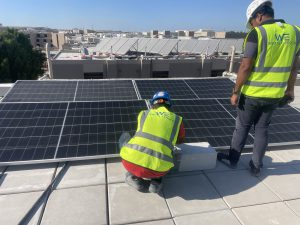
In Dubai’s fast-growing skyline of skyscrapers, luxury villas, and industrial facilities, a robust earthing (grounding) system is not optional — it’s a critical safety requirement. Proper earthing protects against electric shocks, equipment damage, fire hazards, and lightning strikes while ensuring compliance with stringent local regulations enforced by the Dubai Electricity and Water Authority (DEWA).
At Watts & Ergon, we specialize in designing, installing, and testing advanced earthing and lightning protection systems that meet or exceed all DEWA and international standards. This guide outlines everything you need to know about earthing regulations in Dubai.
Why Earthing Matters in Dubai
Dubai’s environmental conditions — high temperatures, sandy soil, and occasional thunderstorms — make reliable earthing challenging yet essential. A poorly designed system can lead to:
- Electric shock risks to occupants
- Damage to sensitive electronics and HVAC systems
- Failure during DEWA inspections and project handovers
- Non-compliance penalties or delays
Watts & Ergon delivers turnkey solutions tailored to Dubai’s unique conditions, ensuring long-term performance and full regulatory approval.
Key Regulatory Bodies and Standards
- DEWA Regulations for Electrical Installations (2017 Edition and updates) — Primary reference for Dubai.
- IEC 60364 series — International standard for low-voltage electrical installations.
- BS 7671 (IET Wiring Regulations) — Widely adopted and aligned with DEWA rules.
- BS 7430 — Code of practice for protective earthing.
- IEC 62305 — Protection against lightning.
Additional compliance may involve Dubai Municipality and UAE Civil Defense requirements.
DEWA Earthing Requirements for LV Installations
| Parameter |
DEWA Requirement |
Notes / Clause Reference |
| Main Earth Electrode Resistance |
≤ 1 Ohm |
Clause 5.2.6 |
| Earth Continuity Conductor (ECC) Resistance |
≤ 0.5 Ohm to main earth |
Clause 5.2.7 |
| Lightning Protection Earthing |
Separate system |
Minimum 7 meters from power earth pits (Clause 5.2.8) |
| Insulation Resistance (circuits ≥50V) |
≥ 1 MΩ |
Tested at 500V DC |
| Preferred System |
TN-S |
For 3-phase 4-wire supplies |
Common Earthing System Types in the UAE
| System Type |
Description |
Typical Use in Dubai |
Max Earth Resistance |
| TN-S |
Separate neutral and protective earth conductors |
Preferred for most commercial & residential |
≤ 1 Ohm (DEWA) |
| TT |
Local earth electrodes (consumer provides earthing) |
Some standalone or older installations |
≤ 10 Ohm (general) |
| TN-C-S |
Combined neutral-earth in supply, separated in installation |
Limited applications |
As per DEWA rules |
Earthing Components and Best Practices
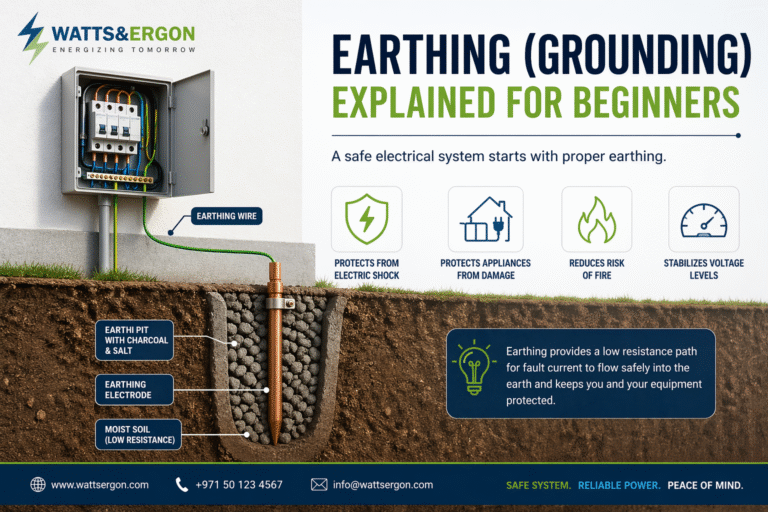
- Earth Electrodes — Copper-clad steel rods, plates, or chemical earthing systems suited to sandy soil.
- Main Earth Terminal (MET) — Located at the Main Distribution Board (MDB).
- Earth Continuity Conductors (ECC) — Properly sized and routed.
- Equipotential Bonding — All metal parts bonded to prevent potential differences.
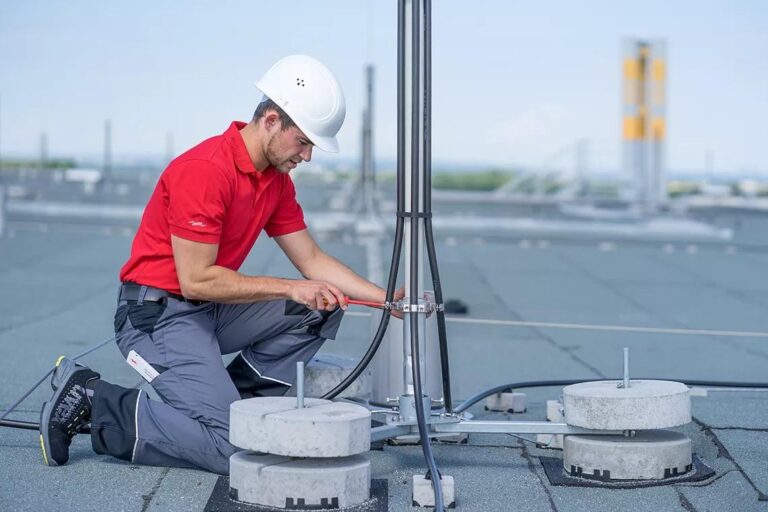
- Lightning Protection — Air termination, down conductors, and dedicated earth pits isolated from power earthing.
How Watts & Ergon Ensures Compliance
With extensive experience across Dubai projects, Watts & Ergon provides:
- Site-specific earthing design and soil resistivity testing.
- High-quality materials (copper, exothermic welding, etc.).
- Full documentation and as-built drawings for DEWA submission.
- Third-party verified testing and certification.
- Lightning protection integrated with earthing systems per IEC 62305.
- Maintenance contracts for long-term reliability.
Our solutions help clients achieve seamless DEWA approvals and enhanced electrical safety.
Frequently Asked Questions
- Q: What is the maximum allowable earth resistance in Dubai?
- A: DEWA requires ≤ 1 Ohm for the main earth electrode in LV installations.
- Q: Can lightning protection share the same earth pits as the power system?
- A: No — they must be separate with a minimum 7-meter distance.
- Q: How often should earthing systems be tested?
- A: At initial installation, after major modifications, and periodically (annually for critical facilities).
- Q: Do residential villas have the same requirements as commercial buildings?
- A: Yes, core DEWA earthing rules apply universally, though scale differs.
Conclusion
Compliance with earthing standards in Dubai is fundamental to project success and occupant safety. Partnering with experts ensures your installation not only meets regulations but performs reliably for decades.
Contact Watts & Ergon today for professional earthing system design, installation, testing, and maintenance services across Dubai and the UAE.