
Commercial & Fleet EV Charging Stations Dubai
Multi-charger EV infrastructure for commercial buildings, malls, offices, and fleet operators across Dubai. From a handful of workplace chargers to depot-scale fleet charging, we design the electrical infrastructure, load management, and back-office system so every charge point works reliably together — not as isolated installations bolted on one at a time.
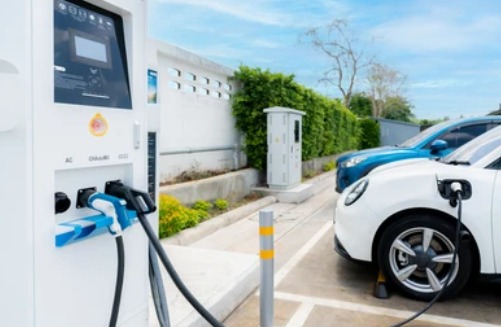
Multi-Charger Commercial Installations
Commercial sites rarely need just one charger — offices, malls, and residential towers typically need anywhere from 4 to 40+ charge points sharing the same electrical supply. We design dynamic load balancing across the full charger bank, so simultaneous charging never trips the incoming supply or forces an expensive, unnecessary transformer upgrade. Each installation includes OCPP-compliant chargers connected to a back-office management platform, giving building management real-time visibility into usage, faults, and energy consumption per charger — plus the ability to bill tenants or visitors per session if required.
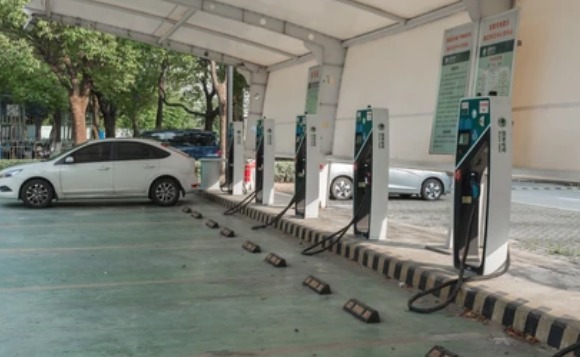
Fleet Charging & Depot Solutions
Fleet operators have a different problem: dozens of vehicles that all need to be charged overnight on a fixed schedule, on a fixed budget. We design depot charging systems around your fleet’s actual duty cycle — staggering charge start times to avoid peak-tariff periods, sizing the electrical supply for the real overnight load (not a worst-case simultaneous-charge scenario that inflates infrastructure cost), and integrating with fleet management software so dispatch always knows which vehicles are ready. This is engineered as an electrical infrastructure project first, with the chargers themselves as the last step — not the other way around.
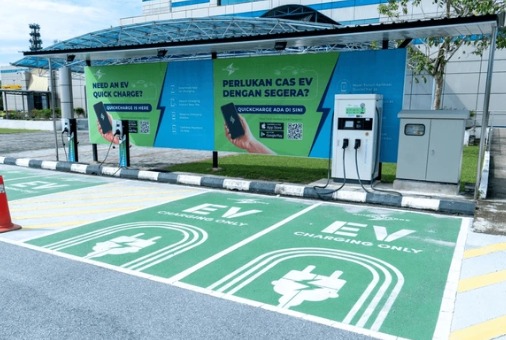
Grow with Commercial EV Charging: Powering Dubai’s Fleets
FAQs
It depends on your existing incoming supply and current peak demand — not just a fixed number. We start with a load assessment of your building’s DB/main panel to calculate available headroom, then design a charger count and load-balancing configuration that fits within it. Many commercial buildings can support far more chargers than expected once dynamic load balancing is applied, since chargers rarely all draw maximum current simultaneously.
OCPP (Open Charge Point Protocol) is the industry-standard communication protocol that lets chargers talk to a back-office management platform, regardless of brand. For a commercial site, this means centralized monitoring of every charger’s status and faults, usage reporting, remote firmware updates, and — if you want it — per-session billing for tenants or visitors. We only install OCPP-compliant hardware so you’re never locked into a single vendor’s proprietary system.
Yes — this is the core of fleet charging design. We map your fleet’s actual return times and required departure-ready state, then stagger charging start times across the available overnight window so your total load stays within the site’s electrical capacity and, where relevant, outside peak DEWA tariff periods. This usually means a smaller, cheaper electrical upgrade than sizing for worst-case simultaneous charging.
Yes, the same as any electrical infrastructure upgrade — particularly if the installation requires additional load capacity from DEWA or a new sub-meter for commercial billing. We handle the DEWA application and coordination as part of the project, the same as we do for our solar and electrical contracting work.
Commercial and fleet installations are typically covered under an annual maintenance contract — periodic inspection, firmware updates, and fault response — since downtime on a multi-charger site affects many users or vehicles at once, not just one household.