The United Arab Emirates is renowned for its futuristic skyscrapers, bustling industrial hubs, and ambitious infrastructure projects. However, beneath the clear blue skies lies a hidden risk: lightning strikes. Despite its arid desert climate, the UAE experiences intense thunderstorms, particularly during transitional seasons, leading to powerful lightning activity that can devastate buildings, disrupt operations, and endanger lives.
At Watts & Ergon, we specialize in designing, installing, and maintaining advanced Lightning Protection Systems (LPS) tailored to the unique challenges of the UAE environment. This blog explores why LPS is not a luxury but a necessity for modern facilities across Dubai, Abu Dhabi, and beyond.
Many assume lightning is rare in desert regions, but data and real-world events tell a different story. High-rise structures like the Burj Khalifa are struck by lightning multiple times a year. Sudden storms bring heavy rain, hail, and lightning, impacting power substations, data centers, and commercial buildings.
Key Risks Include:
- Direct strikes causing structural damage, fires, and explosions.
- Induced surges traveling through power and data lines, destroying sensitive electronics like PLCs, servers, and BMS.
- Operational downtime leading to massive financial losses in oil & gas, aviation, logistics, and hospitality sectors.
- Safety hazards to occupants and personnel.
Recent storms have highlighted vulnerabilities in infrastructure, where soaked soil alters grounding effectiveness precisely when protection is most needed.
A comprehensive LPS provides a multi-layered defense:
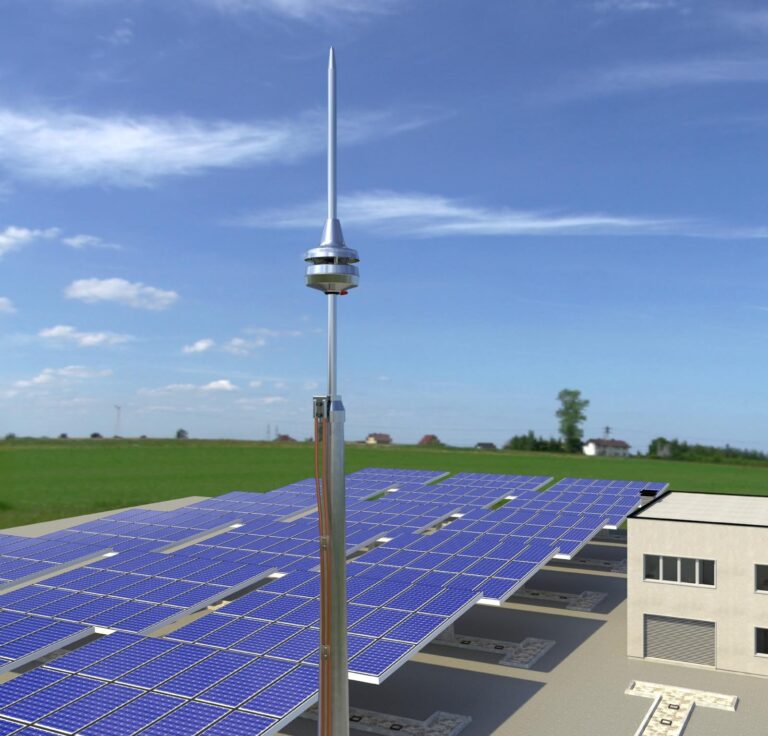
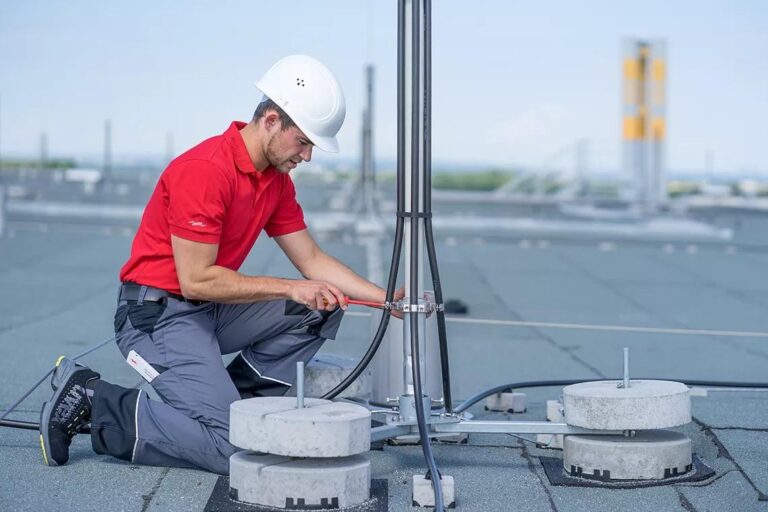
- External Protection: Air terminals (rods), down conductors, and earthing systems capture and safely dissipate lightning energy.
- Internal Protection: Surge Protection Devices (SPDs) safeguard electronics from voltage spikes.
- Compliance & Insurance: Meets IEC 62305 standards, often required for permits and favorable insurance terms.
- Long-term Cost Savings: Prevents expensive repairs and downtime—far outweighing initial investment.
Watts & Ergon delivers systems engineered for UAE conditions: corrosion-resistant materials (copper, aluminum), low-resistance earthing in sandy soils, and future-proof designs for tall buildings and industrial sites.
| Component |
Function |
Importance in UAE |
| Air Terminals |
Intercept lightning strikes |
Protects rooftops of high-rises |
| Down Conductors |
Channel energy to ground |
Must handle extreme currents |
| Earthing/Grounding |
Dissipate energy safely into earth |
Critical in variable soil conditions |
| Surge Protection Devices (SPDs) |
Divert induced surges |
Shields electronics & data centers |
| Protection Level |
Interception Efficiency |
Peak Current (kA) |
Typical UAE Applications |
| LPL I |
99% |
200 |
Oil & gas, chemical plants, airports |
| LPL II |
97% |
150 |
Hospitals, data centers, luxury towers |
| LPL III |
90% |
100 |
Commercial buildings, warehouses |
| LPL IV |
80% |
100 |
Residential or low-risk structures |
- Expertise: Decades of experience in UAE-specific conditions.
- End-to-End Solutions: From risk assessment and design to installation, testing, and maintenance.
- Compliance: Aligned with local regulations and international standards (IEC 62305).
- Sustainability & Reliability: Minimizing downtime and enhancing resilience for critical infrastructure.
Whether you manage a skyscraper in Dubai, an industrial facility in Abu Dhabi, or a commercial complex, investing in a robust LPS protects your assets, people, and operations.
Conclusion
Lightning may be unpredictable, but your protection doesn’t have to be. In the UAE’s dynamic environment, a professionally engineered Lightning Protection System is an investment in safety, continuity, and peace of mind.
Contact Watts & Ergon for a Free Site Assessment