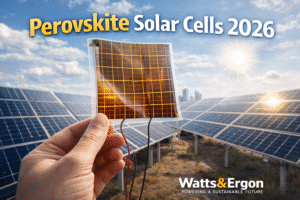
Solar energy is rapidly growing in desert regions. However, extreme heat and sandstorms can significantly impact solar panel performance. Choosing the right panels is essential for long-term efficiency and durability.
Why Extreme Heat Affects Solar Panels
Solar panels depend on sunlight, not heat. High temperatures increase resistance and reduce efficiency.
Temperature Impact on Efficiency
| Temperature (°C) |
Efficiency Loss (-0.30%/°C) |
Efficiency Loss (-0.45%/°C) |
| 25°C |
0% |
0% |
| 35°C |
-3% |
-4.5% |
| 45°C |
-6% |
-9% |
| 65°C |
-12% |
-18% |
Challenges of Sandstorms and Dust
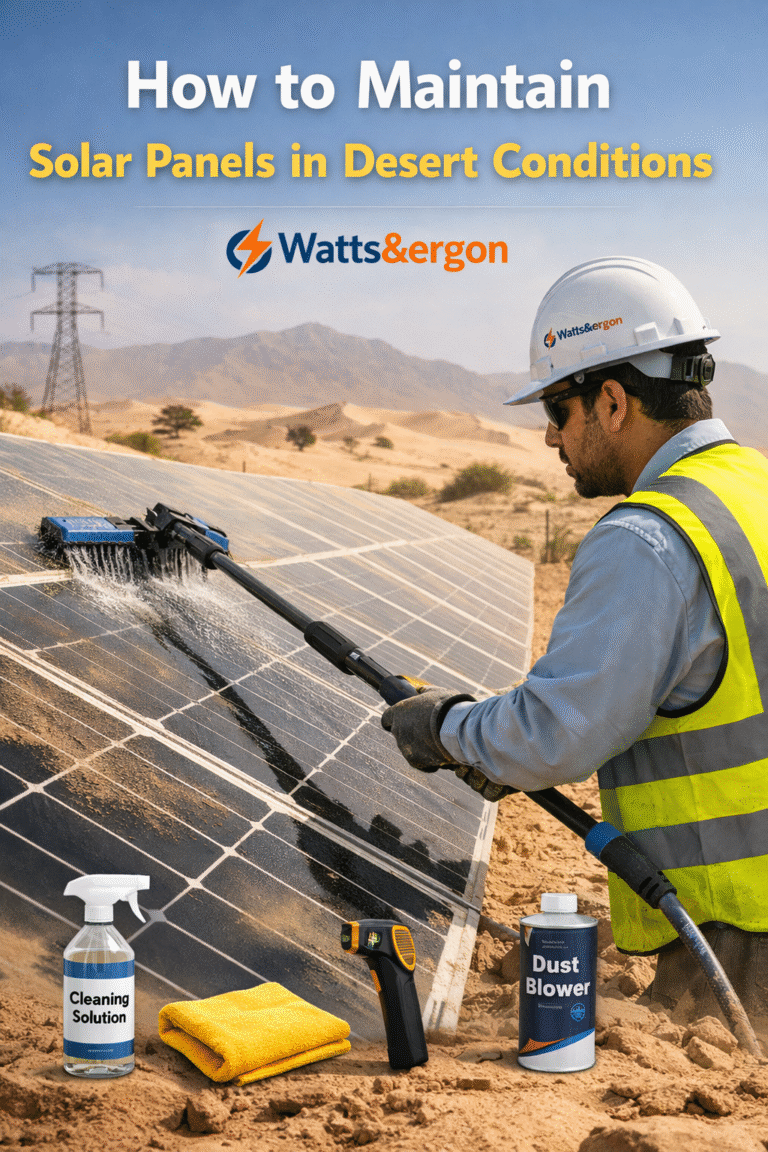
- Dust reduces sunlight absorption
- Sand can scratch panel surfaces
- Frequent cleaning required
- Reduced efficiency over time
Key Factors When Choosing Solar Panels
1. Temperature Coefficient
Choose panels with a coefficient between -0.24% to -0.30% per °C for better heat performance.
2. Efficiency Rating
Panels with 20%+ efficiency are recommended for extreme climates.
3. Durability
Look for tempered glass, strong frames, and anti-dust coatings.
4. Degradation Rate
High-quality panels degrade less than 0.25% per year.
Best Types of Solar Panels
Monocrystalline Solar Panels
- High efficiency (20–24%)
- Long lifespan
- Best for residential use
Thin-Film Solar Panels
- Excellent heat resistance
- Lower efficiency
- Ideal for large installations
Bifacial Solar Panels
- Capture sunlight from both sides
- Higher output in desert environments
HJT Solar Panels
- Advanced technology
- High efficiency and durability
Solar Panel Comparison
| Feature |
Monocrystalline |
Thin-Film |
Bifacial |
HJT |
| Efficiency |
High |
Medium |
High |
Very High |
| Heat Resistance |
Very Good |
Excellent |
Very Good |
Excellent |
| Cost |
Medium-High |
Low |
Medium-High |
High |
Best Features for Sandstorm Resistance
- Tempered glass protection
- Anti-soiling coating
- Strong frame design
- Tilted installation (20–25°)
Installation Best Practices
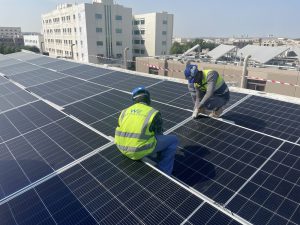
- Elevated mounting for airflow
- Proper tilt angle
- Regular cleaning systems
- Avoid dusty locations
Battery Performance in Heat
| Battery Type |
Heat Tolerance |
Lifespan |
Maintenance |
| Lithium-ion |
High |
10–15 years |
Low |
| Lead Acid |
Low |
3–5 years |
High |
ROI in Desert Conditions
Despite challenges, solar systems can deliver strong returns due to high sunlight availability. Typical payback periods range between 8–12 years.
Future Technologies
- Self-cleaning solar panels
- Anti-dust nano coatings
- AI-based monitoring systems
- Next-gen solar materials
Final Recommendation
| Use Case |
Best Panel Type |
| Residential |
Monocrystalline |
| Commercial |
Bifacial |
| Extreme Heat |
Thin-Film |
| Future Systems |
HJT |
Conclusion
Choosing the right solar panel for extreme heat and sandstorms ensures better efficiency, durability, and long-term ROI.
Watts & Ergon, provides expert solar and electrical solutions designed for harsh environments, helping clients maximize energy efficiency and system performance.