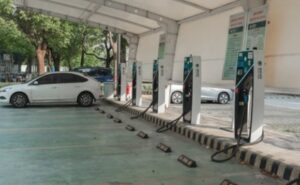
EV Charger Installation in Dubai: (2026 Guide)
At Watts & Ergon, a DEWA-approved solar and electrical contractor, we provide complete EV charger installation services for villas, apartments, offices, hotels, and commercial properties across Dubai.

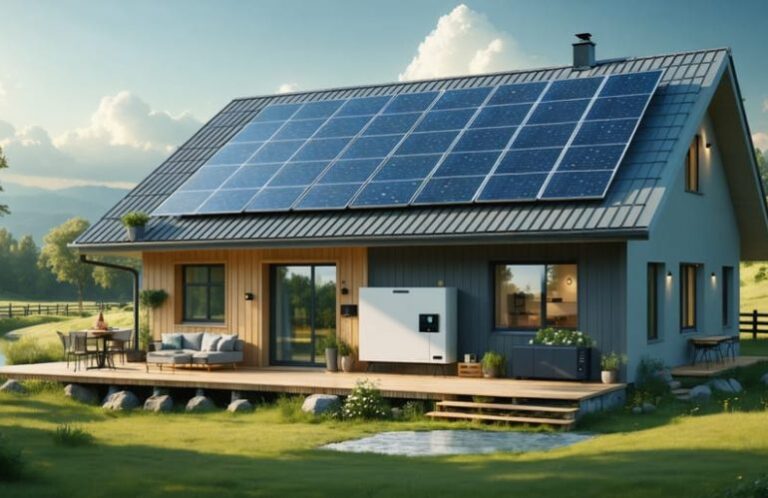
In an era of rising electricity costs, frequent grid strain during peak summer months, and a strong national push toward sustainability, solar panels combined with battery backup have become a game-changing solution for UAE residents and businesses. This comprehensive guide explores everything you need to know about solar + storage systems in 2026.
Dubai and the wider UAE experience some of the highest solar irradiance levels in the world — making solar energy highly effective. However, solar production peaks during the day while many households and businesses have high evening and nighttime consumption (especially for air conditioning). Battery storage solves this mismatch by storing excess daytime energy for use when you need it most.
With DEWA’s net metering under Shams Dubai and growing support for energy storage, adding batteries is now more practical and financially attractive than ever. At Watts & Ergon, we have helped hundreds of clients achieve true energy independence with reliable solar + battery systems.
A typical hybrid solar system includes:
During the day, solar panels generate electricity. Priority goes to powering your home/business. Excess energy charges the batteries. Once batteries are full, surplus can be exported to the DEWA grid (subject to net metering rules). At night or during outages, the system draws from batteries seamlessly.
The battery market has matured significantly. Lithium Iron Phosphate (LFP) now dominates residential and commercial installations due to safety, longevity, and performance.
| Battery Type | Efficiency | Lifespan (Cycles) | Safety | Cost (2026) | Best For |
|---|---|---|---|---|---|
| LFP (LiFePO4) | 95-98% | 6,000 – 10,000+ | Excellent (thermal stability) | Medium-High | Most UAE homes & businesses |
| NMC Lithium-ion | 94-97% | 3,000 – 6,000 | Good | Medium | High power needs |
| Lead-Acid / Gel | 80-85% | 500 – 1,500 | Moderate | Low | Budget off-grid (not recommended) |
| Flow Batteries | 85-90% | 10,000+ | Excellent | Very High | Large commercial |
Popular options suitable for UAE conditions include Tesla Powerwall 3, Enphase IQ Batteries, FranklinWH, Bluetti, and various LFP modular systems from Chinese manufacturers (widely available through certified installers).
| System Size | Solar Capacity | Battery Capacity | Estimated Cost (AED) | Annual Savings (est.) | Payback Period |
|---|---|---|---|---|---|
| Residential Small | 5-8 kW | 10-15 kWh | 45,000 – 75,000 | 8,000 – 15,000 | 5 – 8 years |
| Residential Medium | 10-15 kW | 20-30 kWh | 90,000 – 140,000 | 18,000 – 28,000 | 6 – 9 years |
| Commercial | 50+ kW | 50-100+ kWh | 400,000+ | 80,000+ | 4 – 7 years |
Note: Prices are indicative for 2026 and include installation. Actual costs depend on brand, site conditions, and incentives. Watts & Ergon offers competitive packages with financing options.
Proper sizing is critical. Key factors include:
Our team at Watts & Ergon performs detailed load analysis and uses advanced simulation software to design systems that deliver optimal performance in Dubai’s climate.
DEWA supports solar through the Shams Dubai program. Hybrid systems with batteries require additional approvals focusing on safety, grid interaction, and anti-islanding protection. As a DEWA-approved contractor, Watts & Ergon handles all documentation, design submissions, and inspections to ensure seamless approval.
UAE’s extreme heat (up to 50°C) demands robust components. Modern LFP batteries perform well in high temperatures with proper thermal management. TOPCon solar panels paired with hybrid inverters and quality batteries maintain high efficiency even in hot, dusty conditions. Regular cleaning and professional maintenance maximize output.
A typical 12 kW solar + 25 kWh battery system in a Dubai villa can generate 18,000–22,000 kWh annually and provide full backup during outages. With current electricity rates and net metering, payback periods range between 6–9 years, after which you enjoy nearly free electricity for 15+ years.
Modern systems require minimal maintenance. Batteries typically come with 10-year warranties (often extendable), while panels last 25–30 years. We provide comprehensive after-sales service, monitoring, and annual maintenance packages.
Virtual Power Plants (VPP), vehicle-to-grid (V2G) integration, and AI-powered energy management are emerging. Battery prices continue to fall while energy density improves. The UAE government’s focus on clean energy ensures strong long-term support for storage solutions.
DEWA Approved • ISO Certified • 10+ Years Experience
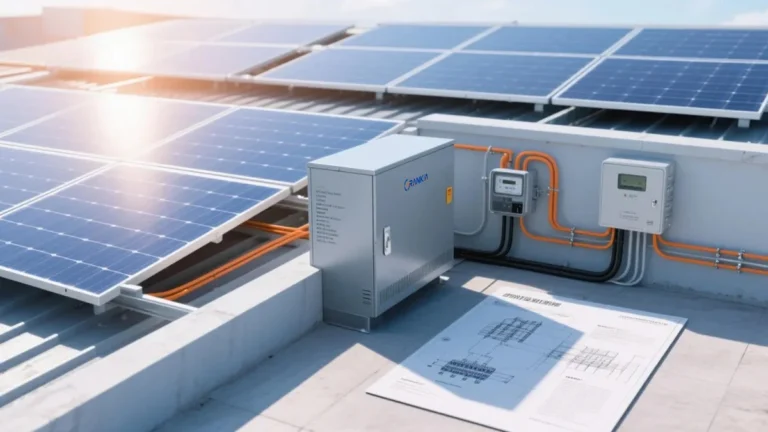
At Watts & Ergon, a DEWA-approved solar and electrical contractor, we provide complete EV charger installation services for villas, apartments, offices, hotels, and commercial properties across Dubai.
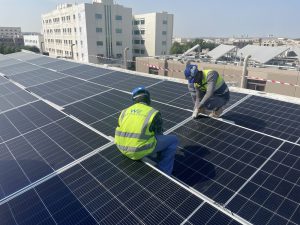
At Watts & Ergon, a DEWA-approved and ISO-certified solar EPC contractor, we specialize in designing and installing high-performance rooftop solar systems tailored specifically for warehouses, distribution centers, and industrial facilities across Dubai and the UAE.
At Watts & Ergon, a DEWA-enrolled, ISO-certified solar EPC contractor, we design and install systems specifically engineered for UAE conditions. Here’s what actually works in 2026.