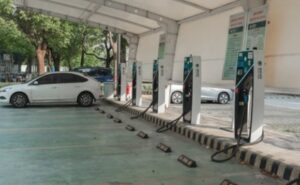
EV Charger Installation in Dubai: (2026 Guide)
At Watts & Ergon, a DEWA-approved solar and electrical contractor, we provide complete EV charger installation services for villas, apartments, offices, hotels, and commercial properties across Dubai.

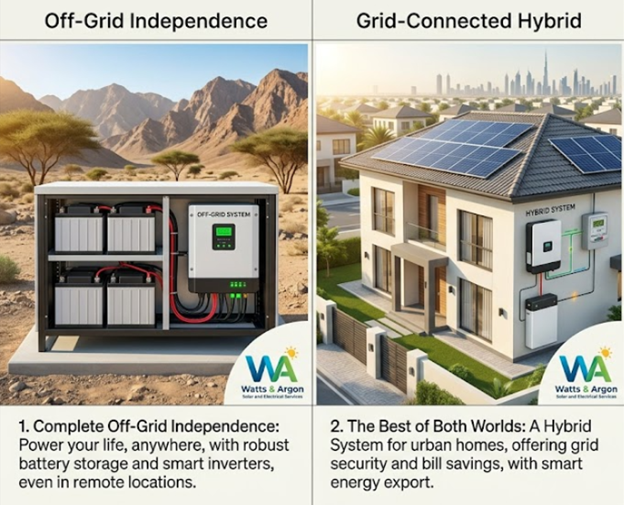
An On-Grid (also called Grid-Tied) solar system is directly connected to the utility grid. It generates electricity during the day and sends excess power back to the grid through net metering. At night or on cloudy days, you draw power from the utility company.
Key Components: Solar panels, On-Grid inverter, mounting structure, and wiring. No batteries required.
A Hybrid solar system combines solar panels with battery storage. It can work in three modes: solar-only, battery backup, and grid-connected. This gives you power even during blackouts while still allowing net metering when the grid is available.
Key Components: Solar panels, Hybrid inverter, Battery bank (Lithium-ion), and smart energy management system.
| Parameter | On-Grid Solar | Hybrid Solar |
|---|---|---|
| Initial Cost (for 5kW system) | $8,000 – $12,000 | $14,000 – $22,000 |
| Backup Power During Outage | No | Yes (with batteries) |
| Energy Independence | Low | High |
| Payback Period | 4–7 years | 6–10 years |
| Maintenance | Low | Medium (batteries need monitoring) |
| Suitable For | Stable grid areas, low electricity rates | Frequent outages, high rates, future-proofing |
| Net Metering | Yes | Yes |
| Lifespan | 25+ years | 25 years (panels), 10–15 years (batteries) |
| Component | On-Grid 5kW | Hybrid 5kW + 10kWh Battery |
|---|---|---|
| Solar Panels | $3,500 | $3,500 |
| Inverter | $1,200 | $2,800 (Hybrid) |
| Battery Storage | $0 | $6,500 – $9,000 |
| Installation & Wiring | $2,000 | $3,000 |
| Other (meters, protection) | $1,300 | $1,800 |
| Total Estimated Cost | $8,000 – $12,000 | $17,600 – $22,000 |
Assuming average household consumption of 30 units/day and electricity rate of $0.18/kWh:
| System Type | Annual Savings | Payback Period | 25-Year Savings (after costs) |
|---|---|---|---|
| On-Grid 5kW | $1,800 – $2,400 | 5–6 years | $38,000 – $48,000 |
| Hybrid 5kW + Battery | $2,600 – $3,500 | 7–9 years | $45,000 – $62,000 |
Modern hybrid inverters from brands like Growatt, Solis, and Deye offer seamless switching between grid, solar, and battery with efficiency above 97%. Lithium LiFePO4 batteries are now dominant due to longer life cycles (6000+ cycles) and better safety compared to older lead-acid options.
On-grid inverters are simpler and cheaper but shut down completely during grid failure for safety reasons (anti-islanding protection).
Both systems significantly reduce your carbon footprint. A 5kW system can offset approximately 6–7 tons of CO₂ every year. Hybrid systems provide additional benefits by maximizing self-consumption and reducing reliance on fossil-fuel-based grid power during peak hours.
On-grid systems typically need only panel cleaning 2–3 times a year. Hybrid systems require occasional battery health checks and firmware updates. Watts & Ergon provides comprehensive maintenance packages for both system types with remote monitoring.
A family in a stable grid area installed a 6kW on-grid system. Initial cost: $11,500. Annual savings: $2,650. Payback achieved in 4.8 years.
A medical clinic suffering from daily evening outages installed a 10kW hybrid system with 20kWh storage. System ensures uninterrupted power for critical equipment and saves over $4,800 annually.
Yes, in most cases. You can add a hybrid inverter and batteries to an existing on-grid setup, though it may require some rewiring.
In many regions yes — battery storage often attracts additional rebates and tax credits in 2026.
Modern lithium batteries come with 10–15 years warranty and can last 12–18 years with proper usage.
There is no universal “best” system — it depends on your location, budget, power reliability needs, and long-term goals. For most average households with reliable electricity supply, an **On-Grid system** offers the fastest payback. However, **Hybrid solar systems** are becoming the smarter choice in 2026 as battery prices continue to drop and grid instability increases.
At Watts & Ergon, we don’t just sell systems — we design customized solar solutions after a detailed site assessment and load analysis.
Get Your FREE Solar Assessment & Custom Quote TodayOur team of licensed engineers and electricians will help you choose between On-Grid, Hybrid, or even Off-Grid systems based on your exact needs and budget.
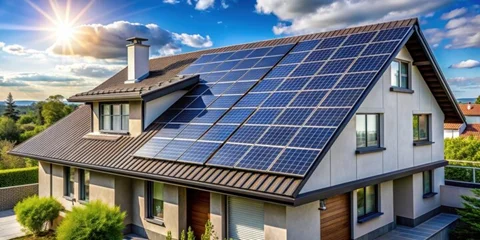
At Watts & Ergon, a DEWA-approved solar and electrical contractor, we provide complete EV charger installation services for villas, apartments, offices, hotels, and commercial properties across Dubai.
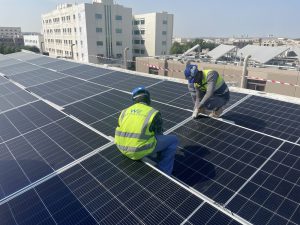
At Watts & Ergon, a DEWA-approved and ISO-certified solar EPC contractor, we specialize in designing and installing high-performance rooftop solar systems tailored specifically for warehouses, distribution centers, and industrial facilities across Dubai and the UAE.

At Watts & Ergon, a DEWA-enrolled, ISO-certified solar EPC contractor, we design and install systems specifically engineered for UAE conditions. Here’s what actually works in 2026.