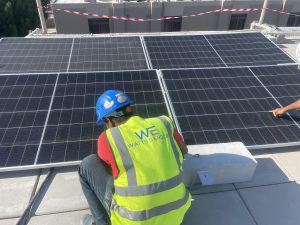
DEWA Solar Regulations in Dubai:
At Watts & Ergon, we specialise in DEWA-enrolled solar solutions and handle the entire process end-to-end.

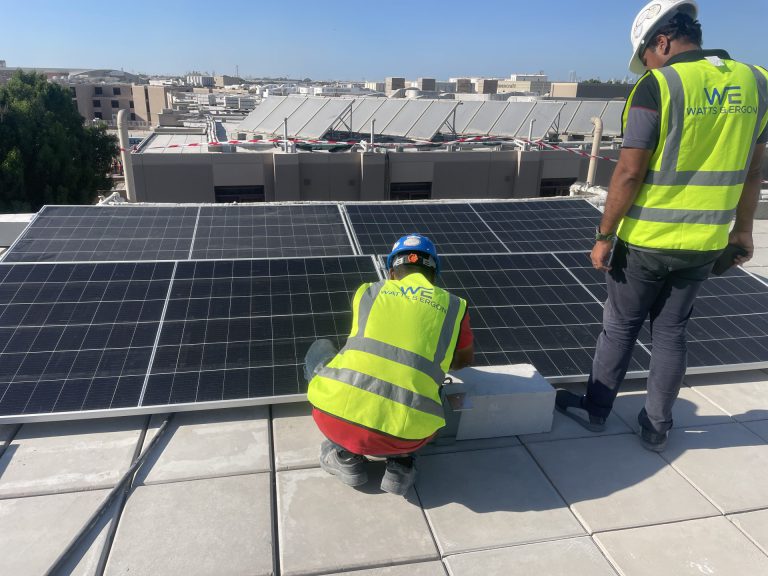
Dubai’s solar market is tightly regulated by the Dubai Electricity and Water Authority (DEWA) to ensure grid safety, reliability, and fair net metering. In 2026, all grid-connected rooftop solar systems must comply with the Shams Dubai program and the latest Distributed Renewable Resources Generation (DRRG) connection conditions.
This guide breaks down the key DEWA solar regulations you need to know — system size limits, technical standards, approval process, equipment rules, and common compliance pitfalls — so you can install solar correctly the first time with a trusted DEWA-enrolled contractor like Watts&ergon.
The core legal and technical framework comes from:
Only systems that fully comply with these rules can be connected and receive net metering credits.
| Aspect | Requirement / Detail |
|---|---|
| Programme | Shams Dubai (Net Metering) |
| Allowed Installations | Rooftop, façade, or building-integrated PV only (ground-mounted not permitted) |
| System Size Limit | Based on Total Connected Load (TCL) slabs; maximum typically up to 1 MW per plot |
| Net Metering Credits | Full (or near-full) retail rate credits; roll over indefinitely |
| Approved Equipment | Only DEWA-listed PV modules, inverters & protection devices (via DRRG Equipment Portal) |
| Contractor Requirement | Must use DEWA-enrolled solar consultants/contractors |
| Key Standards | IEC standards for modules & inverters + DEWA anti-islanding & interface protection |
| Application Process | Single online “Solar Permits & Connections” application |
DEWA limits solar capacity according to your Total Connected Load (TCL). The allowable share decreases as load increases (simplified overview):
DEWA may also impose a lower limit if network constraints exist. Oversizing beyond the approved capacity will prevent connection.
Important: System size should also align with your actual consumption for best financial returns under net metering.
Using non-approved equipment or incomplete designs is one of the most common reasons for rejection or delays.
DEWA has streamlined the process into a more unified online workflow:
Typical total timeline: 4–12 weeks for most residential projects when handled by an experienced DEWA-enrolled contractor.
Only companies enrolled on DEWA’s official list of Solar PV Consultants and Contractors may:
Homeowners and businesses cannot self-install grid-connected systems. Working with a non-enrolled company will result in rejection.
These issues cause delays, rejections, or inability to connect to the grid.
At Watts & Ergon, we are a DEWA-enrolled solar EPC contractor. Every project we deliver is designed and installed to meet the latest Shams Dubai and DRRG requirements, including:
We take the regulatory complexity off your plate so you can focus on the savings and sustainability benefits of solar.
Correct compliance guarantees:
In short, following the rules is not optional — it is the only way to unlock the financial benefits of solar in Dubai.
Understanding DEWA solar regulations is the first step toward a successful, compliant installation. The second (and most important) step is choosing a DEWA-enrolled partner who lives and breathes these rules every day.
Contact Watts&ergon today for a free site assessment and a fully compliant solar proposal. Our team will handle the design, documentation, DEWA approvals, installation, and connection — ensuring your system meets every current regulation and starts generating clean power as quickly as possible.
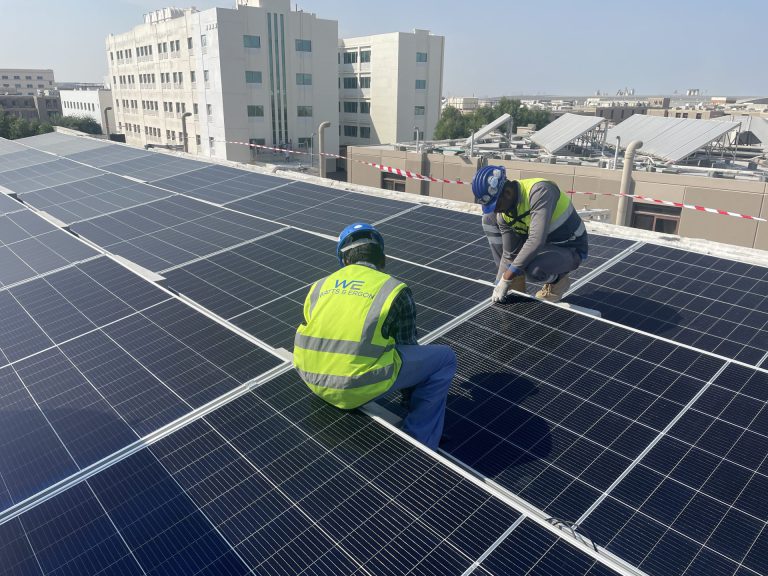
At Watts & Ergon, we specialise in DEWA-enrolled solar solutions and handle the entire process end-to-end.
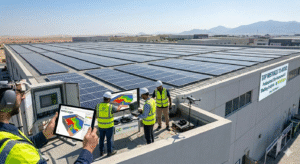
Solar panels convert light, not heat, into electricity. When they get hotter, their efficiency drops. Understanding this effect — and how to minimize it — is essential for anyone installing or operating solar systems in Dubai and the wider UAE.
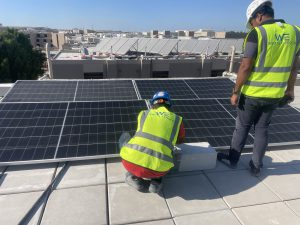
This guide breaks down the key DEWA solar regulations you need to know — system size limits, technical standards, approval process, equipment rules, and common compliance pitfalls — so you can install solar correctly the first time with a trusted DEWA-enrolled contractor like Watts&ergon.