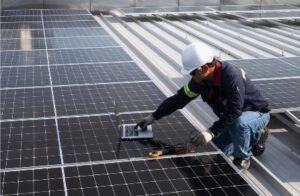
As Dubai accelerates toward its Clean Energy Strategy 2050 and Net Zero goals, more homeowners, hotels, offices, and industrial facilities are moving beyond simple rooftop solar. They are choosing hybrid solar systems — intelligent setups that combine solar panels, battery storage, and the DEWA grid for maximum savings, reliability, and energy independence.
At Watts & Ergon, a DEWA-approved solar EPC specialist, we design and install tailored hybrid energy systems that deliver real results in Dubai’s unique climate and regulatory environment.
A hybrid solar system integrates three power sources managed by a smart Energy Management System (EMS):
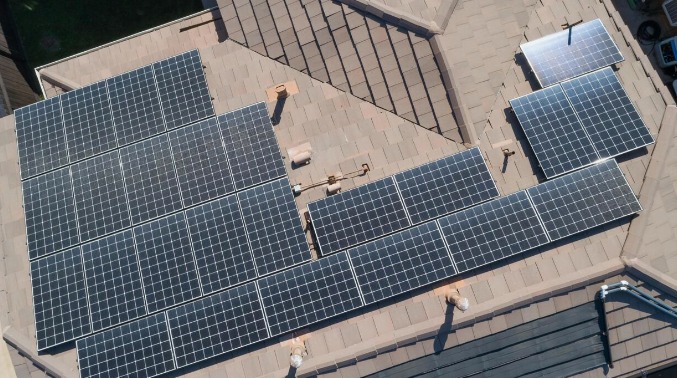
- Solar PV panels – Generate clean electricity during the day
- Battery Energy Storage System (BESS) – Store excess solar for use at night or during outages
- DEWA grid – Provide backup when solar and battery are insufficient, and accept excess solar via Shams Dubai net metering
The hybrid inverter and EMS automatically decide the most efficient and cost-effective source at any moment — prioritizing solar first, then battery, then the grid.
- High-efficiency Tier-1 solar panels (mono PERC or TOPCon)
- Hybrid inverter (with seamless grid-tie and backup capability)
- Lithium battery storage (usually LiFePO₄ for safety and long cycle life)
- Advanced Energy Management System with remote monitoring
- DEWA bi-directional smart meter (for Shams Dubai net metering)
- Optional backup generator for critical applications
| Feature |
On-Grid (Solar + Grid) |
Hybrid (Solar + Battery + Grid) |
Off-Grid |
| Backup during outages |
No |
Yes |
Yes |
| Net metering (Shams Dubai) |
Yes |
Yes |
No |
| Energy independence |
Low |
High |
Full |
| Initial cost |
Lowest |
Medium–High |
Highest |
| Payback period |
4–7 years |
5–10 years |
Longer |
| Best for |
Most villas & offices |
Homes/businesses needing backup |
Remote locations |
Quick verdict for Dubai 2026:
On-grid remains the most popular and cost-effective choice for the majority of properties because DEWA’s net metering acts like a “virtual battery.” Hybrid systems shine when you need real backup power, want to maximize self-consumption, or require peak shaving for commercial loads.
- Backup power during outages – Keep lights, AC, fridge, and critical loads running
- Higher self-consumption – Use more of your own solar instead of exporting everything
- Peak shaving – Reduce expensive maximum demand charges for commercial users
- Evening comfort – Power AC and appliances after sunset with stored solar
- Protection against tariff increases – Lock in lower energy costs for decades
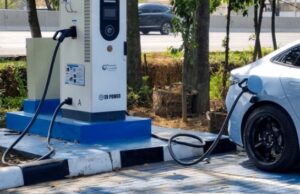
- Future-proofing – Easy integration with smart grids, EV chargers, and further storage expansion
- Sustainability & ESG – Strong contribution to Dubai’s clean energy targets and higher property value
Residential (Villa) Examples
| System Size |
Battery Capacity |
Approx. Total Cost (AED) |
Typical Annual Savings |
Payback Period |
| 8–10 kW |
10 kWh |
70,000 – 100,000 |
12,000 – 18,000 |
6–9 years |
| 12–15 kW |
15–20 kWh |
100,000 – 160,000 |
18,000 – 28,000 |
5–8 years |
| Building Type |
Solar Capacity |
Battery Capacity |
Approx. Total Cost (AED) |
Est. Annual Savings |
Payback Period |
| Boutique Hotel |
100 kW |
100–200 kWh |
650,000 – 1,100,000 |
180,000 – 280,000 |
3.8–5.2 years |
| Medium Office Building |
300 kW |
300–500 kWh |
1.8M – 2.8M |
450,000 – 650,000 |
3.5–4.8 years |
| Shopping Mall |
600 kW |
500–1,000 kWh |
3.5M – 5.5M |
900,000 – 1.4M |
3.6–5 years |
Note: Costs vary based on component brands, roof complexity, battery chemistry, and exact configuration. Lithium batteries typically last 10–15 years and can be replaced independently of the panels (which last 25+ years).
Hybrid is particularly valuable if you:
- Experience occasional DEWA outages or planned maintenance
- Run high evening loads (AC, lighting, kitchen, pool pumps)
- Operate a hotel, restaurant, clinic, data room, or any facility that cannot afford downtime
- Want to reduce peak demand charges
- Plan to add EV chargers or expand the system later
- Prefer greater energy independence and resilience
For most standard villas with reliable grid supply, a pure on-grid system under Shams Dubai still delivers the fastest payback. Many clients choose a hybrid-ready inverter so batteries can be added later with minimal extra cost.
- Grid-tied hybrid systems are allowed under Shams Dubai
- Only solar generation is eligible for net metering credits (battery discharge cannot be exported to the grid)
- Battery systems must meet DEWA technical and safety requirements
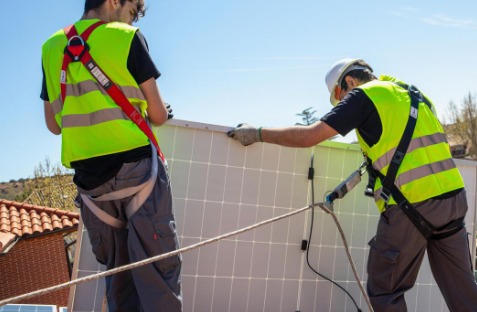
- Installation must be carried out by a DEWA-approved contractor
- Proper isolation and anti-islanding protection are mandatory
Watts & Ergon, handles the complete design, approval, and commissioning process so your system is fully compliant.
- DEWA-approved design and installation
- Premium Tier-1 panels, hybrid inverters, and LiFePO₄ batteries
- Custom energy modeling and savings projections
- Full Shams Dubai documentation and approvals
- Remote monitoring and after-sales support
- Transparent pricing and realistic ROI calculations
Every property has different loads, roof space, and priorities. The best way to know whether hybrid is right for you — and exactly how much you can save — is a free professional assessment.
Contact Watts & Ergon today for a no-obligation site survey and personalized hybrid solar proposal.
Get Your Free Hybrid Solar Assessment
Turn Dubai’s abundant sunshine into reliable, cost-effective, and resilient power for your home or business.