Choosing the right solar panels is one of the most important decisions when switching to clean energy. The three main types available today are monocrystalline, polycrystalline, and thin-film solar panels. Each has its own strengths, weaknesses, and ideal use cases.
At Watts & Ergon, we help homeowners and businesses select the perfect solar solution based on their roof space, budget, and energy goals. In this guide, we break down the differences clearly so you can make an informed choice.
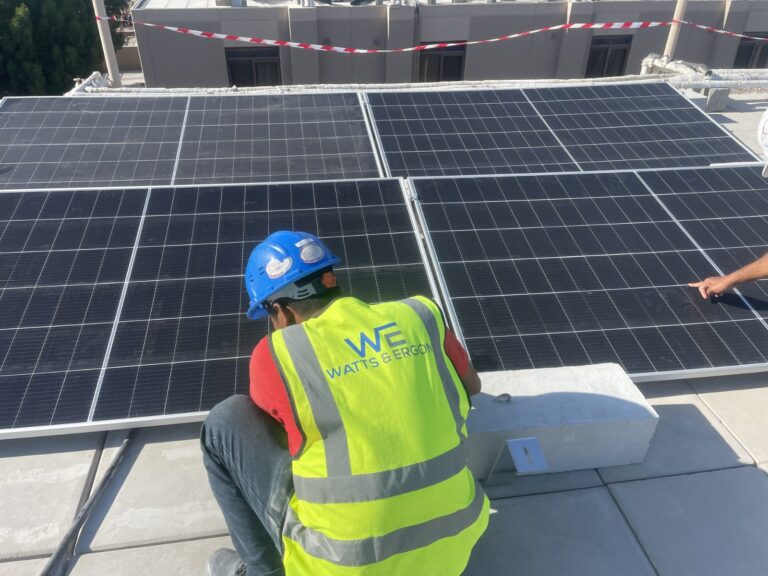
Monocrystalline panels are made from a single pure silicon crystal. They are easily recognized by their uniform dark black color and rounded cell edges.
Key Features:
- Highest efficiency (typically 18–22%)
- Best performance in limited space
- Longest lifespan (25–30+ years)
- Excellent performance in high temperatures and low-light conditions
- Sleek, premium appearance
Best for: Residential rooftops with limited space, premium installations, and customers who want maximum energy output and aesthetics.
Polycrystalline panels are made by melting multiple silicon fragments together. They have a bluish hue and a speckled appearance.
Key Features:
- Moderate efficiency (15–17%)
- More affordable than monocrystalline
- Good performance in full sunlight
- Slightly shorter lifespan than mono panels
- Require more roof space for the same power output
Best for: Budget-conscious buyers with larger roof areas who still want reliable performance.
3. Thin-Film Solar Panels
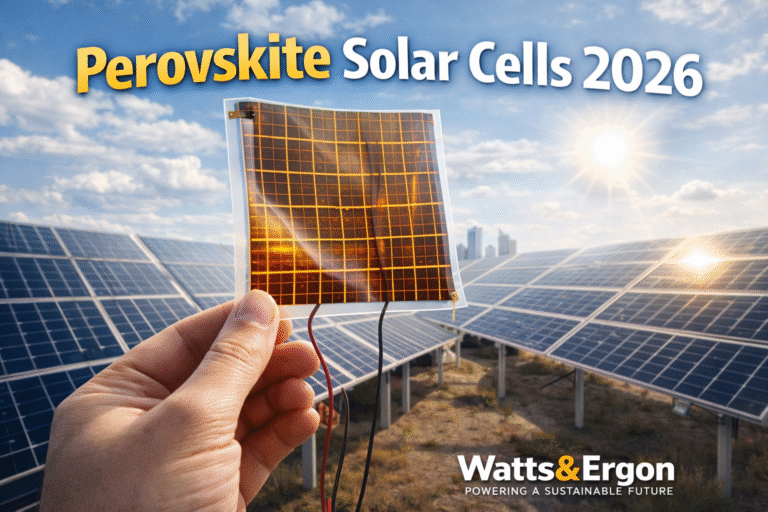
Thin-film panels are made by depositing photovoltaic material (such as amorphous silicon, CdTe, or CIGS) onto glass, plastic, or metal. They are lightweight and flexible.
Key Features:
- Lowest efficiency (10–13%)
- Most affordable option
- Lightweight and flexible (can be used on curved surfaces)
- Better performance in high temperatures and partial shade
- Shorter lifespan (10–20 years)
- Require significantly more space
Best for: Large commercial roofs, temporary installations, RVs, boats, or situations where weight and flexibility matter more than efficiency.
| Feature |
Monocrystalline |
Polycrystalline |
Thin-Film |
| Efficiency |
18–22% |
15–17% |
10–13% |
| Appearance |
Uniform black |
Blue, speckled |
Uniform (varies) |
| Cost |
Highest |
Medium |
Lowest |
| Space Required |
Least |
Medium |
Most |
| Lifespan |
25–30+ years |
20–25 years |
10–20 years |
| Temperature Performance |
Excellent |
Good |
Very Good |
| Low-Light Performance |
Excellent |
Good |
Fair to Good |
| Weight |
Standard |
Standard |
Lightweight |
| Best Use Case |
Homes with limited space |
Budget residential |
Large commercial / flexible applications |
Here’s a quick decision guide from the experts at Watts & Ergon:
- Choose Monocrystalline if you have limited roof space and want the highest efficiency and longest lifespan.
- Choose Polycrystalline if you have enough roof space and want a good balance between cost and performance.
- Choose Thin-Film if you need lightweight, flexible panels or have a very large area available (mainly commercial).