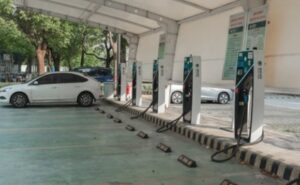
EV Charger Installation in Dubai: (2026 Guide)
At Watts & Ergon, a DEWA-approved solar and electrical contractor, we provide complete EV charger installation services for villas, apartments, offices, hotels, and commercial properties across Dubai.

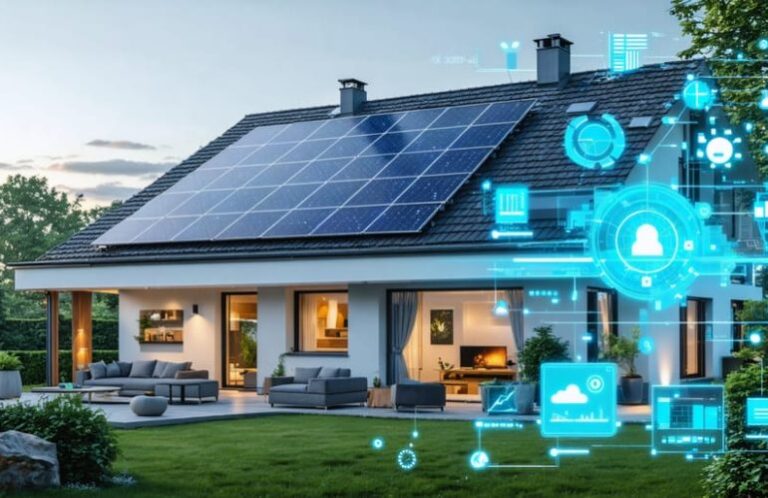
Solar energy is one of the smartest investments for homeowners and businesses seeking clean, renewable power and long-term savings. However, like any technology, solar panel systems can experience issues that reduce efficiency, increase costs, or even cause complete system failure if left unaddressed.
At Watts & Ergon, we have helped hundreds of clients diagnose, repair, and optimize their solar installations. This comprehensive guide covers the top 10 most common solar panel problems, their root causes, symptoms, and proven solutions..
Quick Fact: Properly maintained solar panels can retain 80-90% of their original efficiency even after 25 years. Ignoring common issues can lead to 20-40% performance losses within just a few years.
One of the most frequent and preventable problems is the accumulation of dirt, dust, pollen, bird droppings, leaves, and pollutants on the panel surface. Even a thin layer can block sunlight and reduce energy output by 7-30% depending on location and climate.
Causes: Environmental exposure, especially in dry, dusty, or agricultural areas. Rain followed by dry periods often leaves mineral deposits.
Symptoms: Gradual drop in energy production, visible grime, or uneven output across panels.
Solutions:
Partial shading is a silent killer of solar performance. Even small shadows on one cell can drastically reduce the output of an entire string due to how panels are wired in series.
Causes: Growing trees, new constructions, chimneys, vents, or accumulated debris.
Solutions: Trim vegetation regularly, relocate panels if possible, or install micro-inverters/optimizers that minimize shading losses. Conduct a shading analysis before installation.
The inverter converts DC power from panels to usable AC power. It’s often called the “heart” of the system and is a common point of failure.
Common Issues: Overheating, software glitches, capacitor failure, error codes, or complete shutdown.
Solutions: Regular monitoring via apps, ensure proper ventilation, firmware updates, and professional servicing every 2-3 years. Many modern inverters last 10-15 years.
Microcracks can develop during manufacturing, transportation, installation, or due to hail, heavy snow, or thermal expansion.
Impact: Reduced efficiency and potential hotspots over time.
Solutions: Choose high-quality panels with strong warranties. Perform visual inspections and use thermal imaging for early detection. Professional repair or replacement may be needed.
Hotspots occur when certain cells overheat due to shading, dirt, cracks, or cell mismatch, potentially causing permanent damage or fire risks.
Detection: Visible discoloration or thermal cameras showing temperature differences.
Solutions: Address underlying causes (cleaning, shading removal) and replace affected panels promptly.
PID causes gradual voltage leakage that degrades panel performance, especially in humid environments or poorly grounded systems.
Solutions: Use PID-resistant panels, proper grounding, and inverters with anti-PID features. Professional diagnosis is essential.
Loose connectors, corroded wires, rodent damage, or poor installation can cause arcing, power loss, or system shutdowns.
Solutions: Annual inspections, weatherproofing, and using high-quality MC4 connectors.
Snail trails are gray/brown lines caused by silver paste oxidation or moisture ingress. Delamination happens when layers separate, allowing moisture in.
Solutions: These often indicate manufacturing defects covered under warranty. Replacement is usually required.
In systems with batteries, issues like improper charging, sulfation, or capacity degradation are common.
Solutions: Follow manufacturer charging guidelines, maintain optimal temperature, and monitor state of health regularly.
Extreme weather (hail, high winds, heavy snow) and natural degradation over 20-25 years.
Solutions: Robust mounting systems, impact-resistant panels, and scheduled professional assessments.
| Problem | Common Causes | Symptoms | Solutions | Prevention |
|---|---|---|---|---|
| Dirt & Soiling | Dust, droppings, pollen | Reduced output (7-30%) | Regular cleaning | Scheduled maintenance |
| Shading | Trees, buildings | Significant drops in specific panels | Trim trees, use optimizers | Site analysis |
| Inverter Failure | Overheat, age, software | No power / error codes | Reset, repair, replace | Good ventilation |
| Microcracks | Handling, weather | Lower efficiency | Thermal imaging & replacement | Quality panels |
| Hotspots | Shading, dirt, defects | Overheating cells | Fix root cause, replace panel | Regular inspections |
| PID | Voltage leakage | Gradual power loss | Anti-PID tech, grounding | Proper system design |
| Wiring Issues | Loose connections | Intermittent power | Inspect & tighten | Professional installation |
| Snail Trails | Moisture, oxidation | Visible lines | Warranty claim | High-quality modules |
| Battery Problems | Improper cycling | Reduced storage | Maintenance & monitoring | Temperature control |
| Weather Damage | Hail, wind, snow | Physical cracks | Repair or replace | Impact-resistant panels |
Preventing problems is far more cost-effective than fixing them. Here’s a detailed maintenance schedule:
Investing in monitoring systems (like those offered by Watts & Ergon) allows real-time alerts for voltage drops, shading events, or inverter issues.
Many problems stem from poor initial design or low-quality components. At Watts & Ergon, we prioritize:
Don’t let common solar panel problems reduce your savings or system lifespan. Whether you need troubleshooting, repairs, cleaning, or a brand-new optimized system, the experts at Watts & Ergon, are ready to help.
Get a Free Solar System Assessment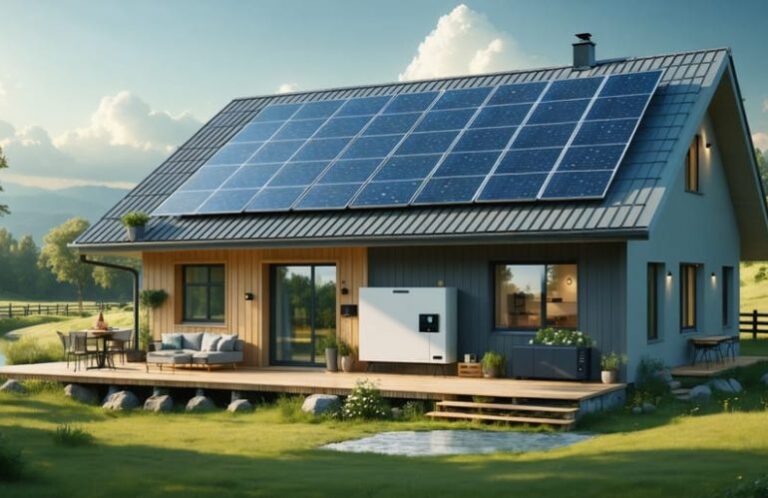
At Watts & Ergon, a DEWA-approved solar and electrical contractor, we provide complete EV charger installation services for villas, apartments, offices, hotels, and commercial properties across Dubai.
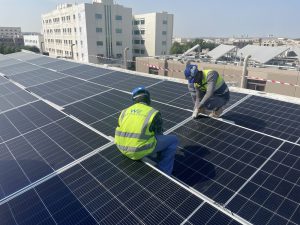
At Watts & Ergon, a DEWA-approved and ISO-certified solar EPC contractor, we specialize in designing and installing high-performance rooftop solar systems tailored specifically for warehouses, distribution centers, and industrial facilities across Dubai and the UAE.
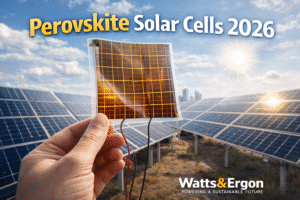
At Watts & Ergon, a DEWA-enrolled, ISO-certified solar EPC contractor, we design and install systems specifically engineered for UAE conditions. Here’s what actually works in 2026.