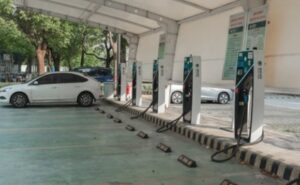
EV Charger Installation in Dubai: (2026 Guide)
At Watts & Ergon, a DEWA-approved solar and electrical contractor, we provide complete EV charger installation services for villas, apartments, offices, hotels, and commercial properties across Dubai.

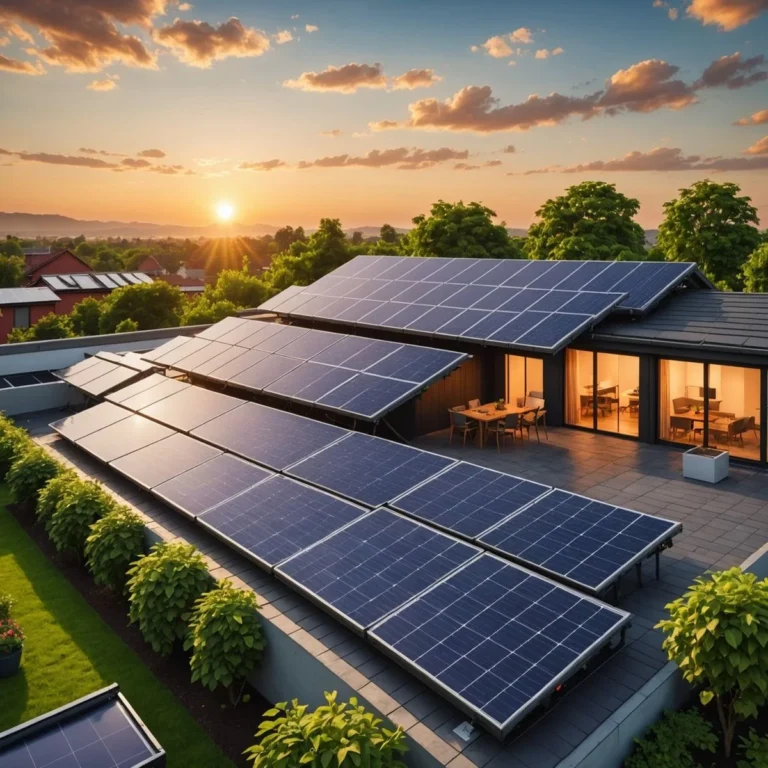
Monocrystalline vs bifacial vs thin-film solar panels represent the next generation of solar technology for UAE projects in 2026. Our engineers at Watts & Ergon select these options based on site-specific irradiance, space constraints, and DEWA requirements to maximise energy output and savings across Dubai and the wider UAE. High solar irradiance and reflective desert surfaces make bifacial panels especially powerful here, while monocrystalline leads in compact, high-efficiency setups and thin-film suits specialised flexible applications.
Monocrystalline solar panels use single-crystal silicon wafers cut from pure ingots, delivering the highest conversion rates available today. Our team installs these panels when clients need peak performance in limited roof space typical of Dubai villas and commercial buildings. They perform reliably under intense UAE sunlight with minimal degradation over 25-30 years.
Monocrystalline panels reach 20-24% module efficiency in 2026 models, including advanced N-type TOPCon and HJT variants. They excel in high-irradiance environments like the UAE because their low temperature coefficient (around -0.3%/°C) limits output loss during 45°C+ summer days. We specify Tier-1 monocrystalline modules that meet IEC 61215 and IEC 61730 standards for every DEWA-approved project.
Bifacial panels capture sunlight on both front and rear surfaces, often built on monocrystalline bases with 70-80% bifaciality factor. Thin-film panels use cadmium telluride or CIGS layers deposited on flexible substrates, achieving 10-18% efficiency but offering lower weight and better low-light response. Our engineers combine these technologies in hybrid designs for factories and warehouses where traditional rigid panels prove impractical.
Explore our residential solar PV systems to see how we integrate monocrystalline panels for villa rooftops across Dubai. View residential solar PV systems →
Dubai’s 2026 energy strategy demands higher renewable penetration, and monocrystalline vs bifacial vs thin-film solar panels directly support DEWA’s Shams Dubai programme goals. Facility managers and engineers now face stricter efficiency targets and net-zero mandates that favour advanced technologies. We have completed 500+ installations across the UAE, proving these panels reduce grid dependency while lowering operational costs.
Bifacial panels generate 10-25% additional energy from ground-reflected light on sand or white gravel, a clear advantage in Dubai’s albedo-rich environments. Monocrystalline panels maintain stable output even during peak summer heat thanks to superior temperature coefficients. Thin-film options shine in partial shading or high-humidity coastal areas common in Abu Dhabi and Sharjah projects.
Each technology contributes to the UAE’s net-zero 2050 vision, but the right choice accelerates carbon footprint reduction for businesses. Our ISO 14001:2015-certified processes ensure every system complies with Abu Dhabi DoE and Dubai Municipality environmental standards. Engineers who select correctly report 40-70% electricity bill savings within the first year of operation.
Our structured approach turns complex technology comparisons into seamless, DEWA-compliant installations. We handle everything from initial site assessment to long-term monitoring so engineers and facility managers focus on core operations. Every project follows 2026 DEWA guidelines for faster approvals and reliable grid integration.
We begin with detailed irradiance modelling, roof load analysis, and albedo testing to recommend the optimal mix of monocrystalline, bifacial, or thin-film panels. Our engineers use PVsyst software to simulate 25-year performance under Dubai’s exact conditions. This data-driven step eliminates guesswork and guarantees maximum ROI.
Our DEWA-approved design team prepares single-line diagrams and equipment datasheets for swift NOC approval, now streamlined to 5-15 business days in 2026. Certified technicians install panels with precision mounting systems, followed by inverter commissioning and thermal imaging verification. We hand over fully operational systems with comprehensive training for on-site teams.
Discover our comprehensive solar system design and installation services tailored for commercial and industrial clients. Learn about solar EPC contractor services →
Upfront costs for monocrystalline vs bifacial vs thin-film solar panels vary by technology and scale, yet all deliver strong returns in the UAE’s high-irradiance market. In 2026, monocrystalline systems average $1.00-$1.50 per watt installed, bifacial carries a 15-25% premium for the extra yield, and thin-film remains the most economical at $0.50-$0.80 per watt for flexible applications.
| Technology | Efficiency (2026) | Bifacial Gain in UAE | Installed Cost/Wp (USD) | Typical Payback (Commercial) | Best UAE Application |
|---|---|---|---|---|---|
| Monocrystalline | 20-24% | N/A | $1.00-$1.50 | 4-6 years | Rooftops, limited space |
| Bifacial (mono-based) | 20-27% effective | 10-25% | $1.20-$2.00 | 3-5 years | Ground mount, carports |
| Thin-Film | 10-18% | Minimal | $0.50-$0.80 | 5-7 years | Flexible roofs, shading |
A 500-kW commercial system using bifacial panels in Dubai typically generates 1.1-1.3 GWh annually, translating to AED 300,000+ in yearly savings at current DEWA rates. Our ISO 9001:2015 quality management ensures minimal downtime and maximum lifetime output.
DEWA requires all solar panels to meet IEC 61215, IEC 61730, and IEC 61701 standards, with equipment listed on the official DRRG portal for Shams Dubai eligibility. Monocrystalline, bifacial, and thin-film technologies qualify when supplied by approved manufacturers.
Secure your project with our DEWA-based on-grid solar project services and avoid compliance pitfalls. Get DEWA solar expertise →
A leading Dubai logistics warehouse switched to bifacial panels on a 2 MW ground-mount array in 2025. The system achieved 22% higher annual yield than initial monocrystalline projections due to sand albedo, delivering payback in under 3.8 years.
Ready to implement the best monocrystalline, bifacial, or thin-film solution for your facility?
Our ISO-qualified engineers deliver DEWA-compliant systems from concept to commissioning. Get your free technical assessment →
Cut your electricity bill by up to 70% with a DEWA-certified next-generation solar system tailored to your exact load profile. Schedule your free site evaluation today!
At Watts & Ergon, a DEWA-approved solar and electrical contractor, we provide complete EV charger installation services for villas, apartments, offices, hotels, and commercial properties across Dubai.
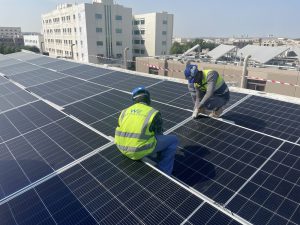
At Watts & Ergon, a DEWA-approved and ISO-certified solar EPC contractor, we specialize in designing and installing high-performance rooftop solar systems tailored specifically for warehouses, distribution centers, and industrial facilities across Dubai and the UAE.
At Watts & Ergon, a DEWA-enrolled, ISO-certified solar EPC contractor, we design and install systems specifically engineered for UAE conditions. Here’s what actually works in 2026.