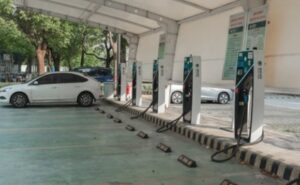
EV Charger Installation in Dubai: (2026 Guide)
At Watts & Ergon, a DEWA-approved solar and electrical contractor, we provide complete EV charger installation services for villas, apartments, offices, hotels, and commercial properties across Dubai.

At Watts & Ergon, a DEWA-approved and ISO-certified technical services company in Dubai, we specialize in designing and implementing tailored solar solutions for the agricultural sector. This in-depth guide explores the best solar technologies for farms, their benefits, implementation strategies, real-world case studies, and why partnering with experts like Watts & Ergon ensures long-term success.
In the arid landscapes of the UAE and broader GCC region, agriculture faces unique challenges: intense heat, water scarcity, and high energy costs for irrigation and operations. Solar energy has emerged as a game-changing solution, empowering farmers to achieve energy independence, reduce operational expenses, and adopt sustainable practices.
At Watts & Ergon, a DEWA-approved and ISO-certified technical services company in Dubai, we specialize in designing and implementing tailored solar solutions for the agricultural sector. This in-depth guide explores the best solar technologies for farms, their benefits, implementation strategies, real-world case studies, and why partnering with experts like Watts & Ergon ensures long-term success.
The UAE’s agricultural sector is growing rapidly despite harsh climatic conditions. Farms require substantial energy for water pumping, irrigation systems, cold storage, lighting, and machinery. Traditional diesel generators or grid electricity are expensive and contribute to carbon emissions.
Solar power offers a clean, renewable alternative that aligns perfectly with the UAE’s Net Zero 2050 ambitions and supports food security initiatives. With abundant sunlight (average 300+ sunny days per year), farms in Dubai, Al Ain, Sharjah, and beyond can harness solar energy effectively.
One of the most impactful applications is solar-powered water pumps. These systems replace diesel pumps, eliminating fuel costs and maintenance hassles. They are ideal for drawing water from wells, boreholes, or canals for irrigation.
Drip and sprinkler irrigation powered by solar energy ensures precise water delivery, conserving this precious resource while optimizing crop yields.
This innovative dual-use approach mounts solar panels above crops, providing shade that reduces evaporation and heat stress while generating electricity. Studies show certain crops thrive under partial shade in hot climates.
Maintain produce quality with solar-powered refrigeration, reducing post-harvest losses.
Secure farms with solar electric fencing and provide reliable lighting for operations.
| Solution | Best For | Initial Cost | Payback Period | Key Benefits |
|---|---|---|---|---|
| Solar Water Pumps | Irrigation in remote farms | Medium-High | 3-5 years | Zero fuel cost, low maintenance |
| Agrivoltaics | Large-scale crop farms | High | 5-8 years | Dual income from energy + crops |
| Solar Irrigation Kits | Small to medium farms | Low-Medium | 2-4 years | Water efficiency, easy installation |
| Solar Cold Storage | Produce storage facilities | Medium | 4-6 years | Reduced spoilage, premium quality |
| Hybrid Solar Systems | Full farm electrification | High | 5-7 years | 24/7 reliability with battery backup |
Solar pumps are available in DC and AC variants. DC pumps suit smaller applications, while AC pumps with inverters handle larger flows required by commercial farms. Typical capacities range from 1 HP to 50+ HP.
Components of a Solar Pumping System:
Agrivoltaic systems combine solar energy production with agriculture on the same land. In hot regions like the UAE, panel shading can improve crop yields for shade-tolerant plants (e.g., leafy greens, certain fruits) by reducing water loss and heat stress.
| Crop Type | Performance Under Agrivoltaics | Additional Benefits |
|---|---|---|
| Leafy Greens | Improved yield (up to 20%+) | Reduced evaporation |
| Tomatoes/Potatoes | Comparable or higher in shade | Better quality, less blossom end rot |
| Livestock Grazing | Sheep/cattle thrive in shade | Natural vegetation management |
A typical 50 kW solar system for a medium farm may cost AED 150,000–250,000 after incentives. With annual savings of AED 30,000–50,000 on diesel/grid bills, payback occurs within 4–6 years. Over a 25-year lifespan, returns are substantial.
| System Size | Est. Cost (AED) | Annual Savings (AED) | Payback (Years) | 25-Year ROI |
|---|---|---|---|---|
| 10 kW (Small Farm) | 40,000–60,000 | 8,000–12,000 | 4–5 | 300%+ |
| 50 kW (Medium) | 180,000–250,000 | 35,000–55,000 | 4–6 | 400%+ |
| 200 kW (Large) | 650,000–900,000 | 140,000–200,000 | 5–7 | 500%+ |
Case 1: Al Ain Date Farm
Watts & Ergon installed a 45 kW solar pumping system that replaced diesel pumps. The farm reduced annual fuel costs by over AED 45,000 and improved irrigation reliability, leading to a 15% increase in yield.
Case 2: Sharjah Greenhouse Project
A hybrid solar system with battery storage powers climate control and irrigation. The client achieved near-zero grid dependency and qualified for green incentives.
Case 3: Livestock Farm in Fujairah
Agrivoltaic installation provides power while offering shade for animals, improving animal welfare and generating additional revenue from energy export.
Common concerns include high upfront costs, dust accumulation in the UAE, and technical expertise. Solutions involve financing options, regular cleaning schedules, and choosing experienced partners like Watts & Ergon .
Watts & Ergon stands out as a trusted DEWA-approved contractor with proven expertise in solar solutions for agriculture. Our services include:
Watts & Ergon — Empowering Sustainable Progress with Safe, Reliable Solar Solutions.
📍 Dubai, UAE | DEWA Approved | ISO Certified
At Watts & Ergon, a DEWA-approved solar and electrical contractor, we provide complete EV charger installation services for villas, apartments, offices, hotels, and commercial properties across Dubai.
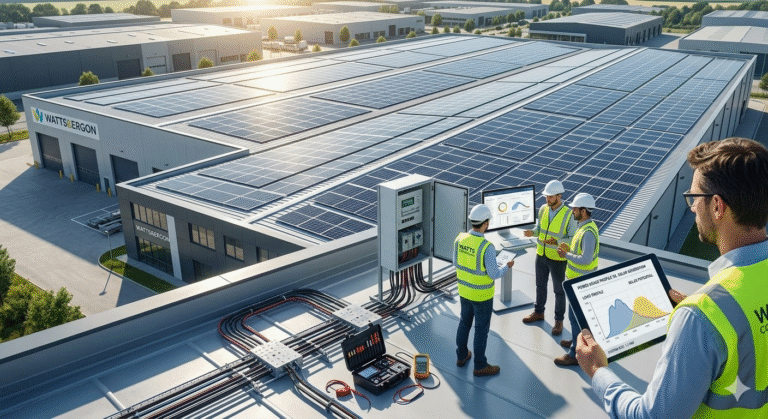
At Watts & Ergon, a DEWA-approved and ISO-certified solar EPC contractor, we specialize in designing and installing high-performance rooftop solar systems tailored specifically for warehouses, distribution centers, and industrial facilities across Dubai and the UAE.
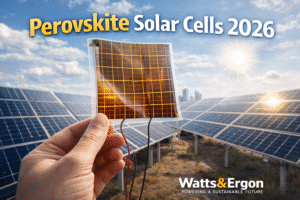
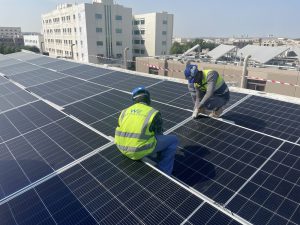
At Watts & Ergon, a DEWA-enrolled, ISO-certified solar EPC contractor, we design and install systems specifically engineered for UAE conditions. Here’s what actually works in 2026.