Commercial buildings — offices, warehouses, retail spaces, and factories — consume enormous amounts of energy, with HVAC, lighting, and equipment often accounting for the majority of bills. The good news? Simple changes and smart upgrades can reduce energy use by 20–30% or more, delivering fast payback and supporting ESG goals.
Whether you’re managing a small office or a large industrial facility, these energy saving tips will help lower operating costs, improve occupant comfort, and future-proof your building against rising energy prices.
Quick No-Cost or Low-Cost Energy Saving Tips
Start with these easy wins that require minimal investment:
- Adjust Thermostats Strategically
Set cooling to 78°F (26°C) during occupied hours and raise it to 85°F or turn off after hours in summer. In winter, set heating to 68°F (20°C) occupied and 60–65°F unoccupied. Each degree adjustment can save up to 3% on HVAC energy.
- Turn Off Lights When Not Needed
Adopt the rule: Lights off when a space is empty. Use task lighting instead of illuminating entire areas.
- Power Down Office Equipment
Enable sleep/standby modes on computers, printers, and copiers. Use advanced power strips to eliminate vampire (phantom) loads from devices left plugged in overnight.
- Encourage Employee Behavior
Promote stairs over elevators, report drafts or leaks, and turn off unused appliances. Create an energy-saving culture with simple reminders or incentives.
High-Impact Energy Saving Strategies
1. Upgrade Lighting Systems
Lighting can account for 20–40% of electricity use in commercial buildings.
- Switch to LED fixtures — they use up to 90% less energy and last 25 times longer than traditional bulbs.
- Install occupancy sensors, daylight harvesting sensors, and timers to automatically control lights.
- Implement dimming and zoning for corridors, meeting rooms, and storage areas.
2. Optimize HVAC Systems (Biggest Energy Consumer)
HVAC often represents 40–60% of total energy use.
- Schedule regular maintenance: Clean or replace filters, check ducts for leaks, and tune systems annually.
- Install programmable or smart thermostats and building automation systems (BAS) for automatic setbacks during nights and weekends.
- Use Variable Frequency Drives (VFDs) on motors and fans to match speed to actual demand, saving up to 30%.
- Implement demand-controlled ventilation (DCV) based on CO₂ levels or occupancy.
- Consider high-efficiency heat pumps or energy recovery ventilators for new or retrofit projects.
3. Improve the Building Envelope
- Seal air leaks around windows, doors, and penetrations.
- Upgrade insulation in walls, roofs (especially flat commercial roofs), and attics.
- Apply window films or low-E glass to reduce solar heat gain.
- Use cool roof coatings or green roofs in hot climates to lower cooling loads.
4. Implement Smart Building Technologies
- Deploy Building Automation Systems (BAS) or IoT sensors for real-time monitoring and control of HVAC, lighting, and equipment.
- Use predictive analytics to anticipate energy needs and prevent waste.
- Integrate demand response programs to shift usage during peak hours.
5. Add Renewable Energy and Efficient Equipment
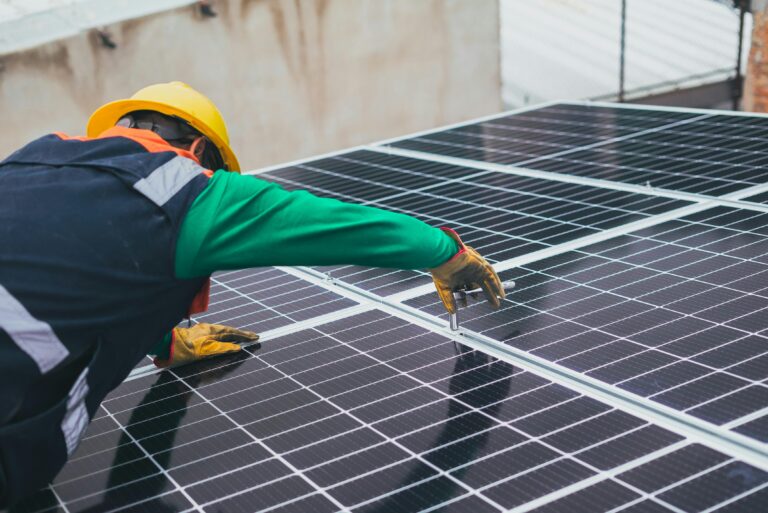
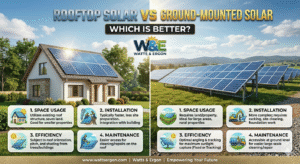
- Install solar panels (rooftop or carport) to offset electricity costs — especially effective when combined with energy storage.
- Replace old appliances, water heaters, and refrigeration with ENERGY STAR-rated models.
- Consider variable refrigerant flow (VRF) systems for zoned cooling/heating.
Energy Saving Potential Comparison
| Measure |
Typical Energy Savings |
Payback Period |
Best For |
| LED Lighting Upgrade + Sensors |
30–50% on lighting |
1–3 years |
All commercial buildings |
| Smart Thermostats & Setbacks |
10–20% on HVAC |
6 months–2 years |
Offices & retail |
| HVAC Maintenance & VFDs |
15–30% on HVAC |
1–4 years |
Offices, warehouses |
| Building Envelope Sealing & Insulation |
10–25% overall |
3–7 years |
Older buildings |
| Building Automation System |
15–30% overall |
2–5 years |
Medium to large facilities |
| Solar PV Installation |
50–90% on electricity |
5–8 years (with incentives) |
Any building with good roof space |
Additional Tips by Building Type
- Offices: Focus on lighting controls, plug load management, and after-hours HVAC setbacks.
- Warehouses: Prioritize high-bay LED lighting, efficient material handling equipment, and natural daylighting via skylights.
- Retail Spaces: Use occupancy-based lighting and demand-controlled ventilation in high-traffic areas.
Why Energy Savings Matter in 2026
With rising energy costs, stricter regulations, and growing demand for green buildings, implementing these tips helps reduce carbon emissions, qualify for incentives or certifications (like ENERGY STAR or LEED), and attract eco-conscious tenants and customers.
Conclusion
Energy efficiency in commercial buildings is no longer optional — it’s a smart business strategy that delivers immediate cost savings and long-term sustainability. Start with no-cost behavioral changes and low-cost controls, then scale up to lighting, HVAC, and renewable integrations for maximum impact.