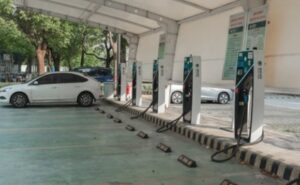
EV Charger Installation in Dubai: (2026 Guide)
At Watts & Ergon, a DEWA-approved solar and electrical contractor, we provide complete EV charger installation services for villas, apartments, offices, hotels, and commercial properties across Dubai.

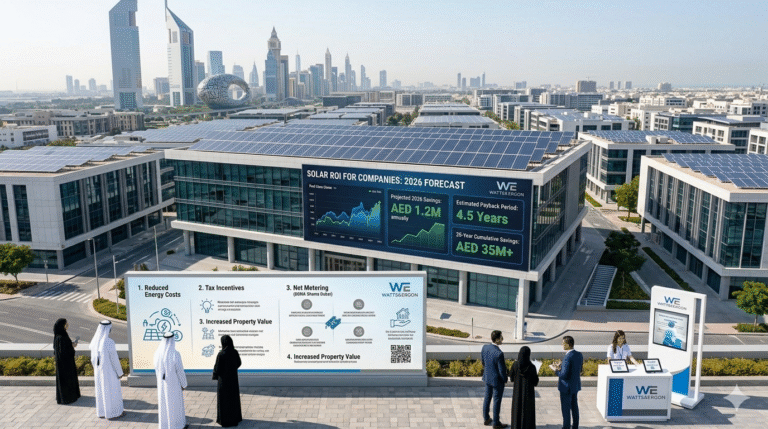
At Watts & Ergon, a trusted DEWA-approved electrical and solar contractor, we help hundreds of property owners navigate these regulations every year. This comprehensive 2026 guide covers everything you need to know.
DEWA’s Regulations for Electrical Installations (2017 Edition, with ongoing updates incorporated into Dubai Building Code) set the minimum standards for design, installation, inspection, and maintenance of all electrical systems in Dubai. These rules prioritize safety, reliability, energy efficiency, and integration with modern systems like solar PV.
| Work Type | DEWA Requirement | Consequence of Non-Compliance |
|---|---|---|
| New Wiring / Renovation | DEWA Approved Contractor + Inspection | Power Rejection + Fines |
| Load Increase | Load Calculation + Approval | Overloading Hazards |
| Solar PV Installation | Shams Dubai NOC + Approved Equipment | Connection Refusal |
| Earthing System | Minimum Earth Resistance | Safety Risks + Rejection |
Every property must have a dedicated earthing system. For most villas and buildings:
DEWA follows international best practices (aligned with IET Wiring Regulations) with UAE-specific adaptations for high ambient temperatures.
Metering cabinets for villas must be installed on compound walls (recessed). Individual meters for each unit in multi-tenant buildings. Main Distribution Boards (MDBs) must have proper circuit breakers, RCDs (Residual Current Devices), and surge protection.
| Property Type | Recommended Connected Load | Common Circuits Needed |
|---|---|---|
| 2-Bed Apartment | 8–12 kW | AC, Kitchen, Lighting |
| 4-Bed Villa | 20–40 kW | Multiple AC + Pool (if any) |
| Large Villa with Solar | 50+ kW | Hybrid System Ready |
With Dubai’s push toward clean energy, solar installations have specific technical requirements. Only DEWA-approved equipment, inverters, and DC isolators can be used. Systems must include proper anti-islanding protection, metering, and interface panels.
As a DEWA-enrolled Electrical & DRRG Solar PV Contractor, we handle complete design, NOC, installation, testing, and handover for seamless grid connection.
| Solar Requirement | DEWA Rule |
|---|---|
| Inverters & Modules | Must be on DEWA Approved List |
| DC Isolators | Lockable, IEC 60947-3 compliant |
| Maintenance | Annual inspection by approved contractor |
| Net Metering | Excess power credited |
DEWA and Dubai authorities impose strict penalties for non-compliance.
| Violation | Typical Fine (AED) |
|---|---|
| Working without DEWA approval / unauthorized modifications | 5,000 – 20,000+ |
| Damaging DEWA cables during excavation | 10,000 + repair costs |
| Non-compliant earthing or overloading | Connection rejection + fines |
| Using non-approved solar equipment | System disconnection |
Watts & Ergon is a DEWA-approved contractor specializing in electrical installations, renovations, load upgrades, solar PV systems, and full compliance services. Our team ensures every project meets the latest regulations while delivering cost-effective, high-quality solutions.
Book a FREE DEWA Compliance Consultation with Watts & Ergon
Get Your Free Assessment📍 Dubai, UAE
+971 56 876 2916
info@wattsergon.com
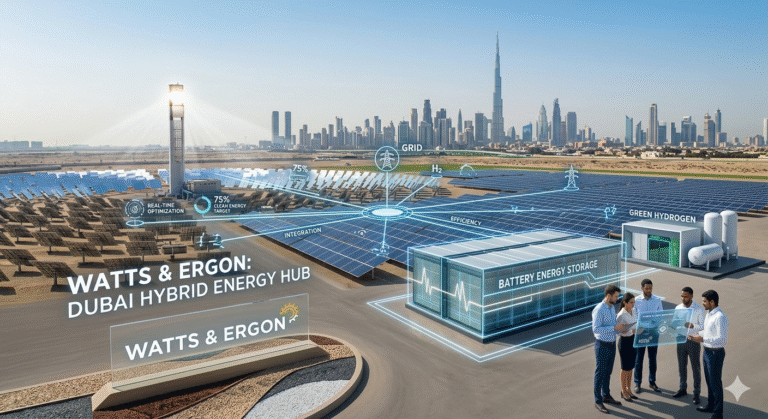
At Watts & Ergon, a DEWA-approved solar and electrical contractor, we provide complete EV charger installation services for villas, apartments, offices, hotels, and commercial properties across Dubai.
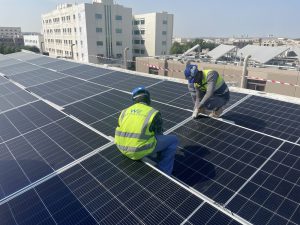
At Watts & Ergon, a DEWA-approved and ISO-certified solar EPC contractor, we specialize in designing and installing high-performance rooftop solar systems tailored specifically for warehouses, distribution centers, and industrial facilities across Dubai and the UAE.
At Watts & Ergon, a DEWA-enrolled, ISO-certified solar EPC contractor, we design and install systems specifically engineered for UAE conditions. Here’s what actually works in 2026.