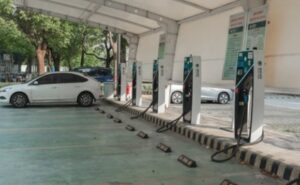
EV Charger Installation in Dubai: (2026 Guide)
At Watts & Ergon, a DEWA-approved solar and electrical contractor, we provide complete EV charger installation services for villas, apartments, offices, hotels, and commercial properties across Dubai.

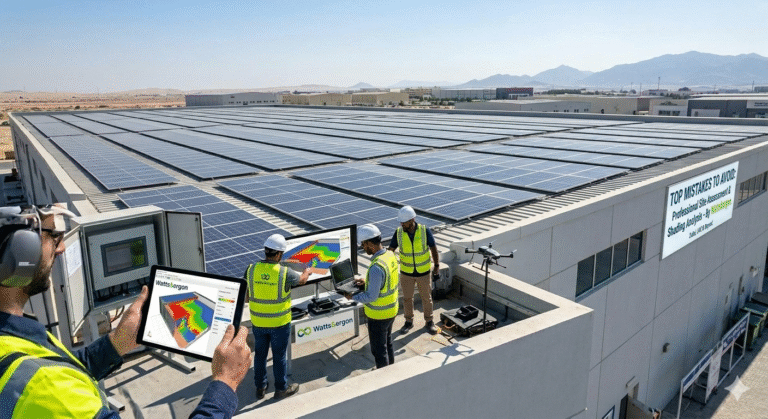
Average residential solar system costs (before any remaining incentives) range from about $2.50–$3.60 per watt installed. A typical 6–8 kW home system might cost $18,000–$28,000+ before incentives, varying by equipment quality, roof complexity, and location.
Module prices face some upward pressure in 2026 due to trade policies, supply chain adjustments, and material costs (like silver), but overall installed costs have stabilized or declined over the long term thanks to technology improvements.
Without the 30% federal tax credit for direct purchases, payback typically ranges from 7–12 years, depending heavily on local utility rates and net metering policies.
In high-rate areas with good sunlight: 6–9 years
After payback, you enjoy 15+ years of near-free electricity (panels warrantied for 25+ years).
Many homeowners save $1,000–$2,000+ annually, potentially $30,000–$60,000+ over 25 years, assuming rising utility rates (often 3–6% annually).
| System Size | Gross Cost (Pre-Incentives) | Net Cost (No Federal ITC) | Annual Savings (Est.) | Payback Period | 25-Year Savings (Est.) |
|---|---|---|---|---|---|
| 6 kW | $15,000 – $22,000 | $15,000 – $22,000 | $900 – $1,500 | 8 – 12 years | $25,000 – $45,000 |
| 8 kW | $20,000 – $29,000 | $20,000 – $29,000 | $1,200 – $2,000 | 7 – 11 years | $35,000 – $60,000 |
| 10 kW | $25,000 – $36,000 | $25,000 – $36,000 | $1,500 – $2,500 | 7 – 10 years | $45,000 – $75,000 |
*Notes: Figures are approximate and vary significantly by location. Add battery storage for energy independence. State/local incentives can shorten payback further.
The biggest truth: Solar is not a get-rich-quick scheme. It’s a long-term infrastructure upgrade.
We focus on customized designs, quality components, and transparent projections. Get multiple detailed proposals with production estimates (use PVWatts or similar tools) and 25-year cash flow projections.
In sunny areas with above-average electricity rates who plan to stay long-term.
If your rates are very low, roof needs replacement soon, or you’ll move within 5 years.
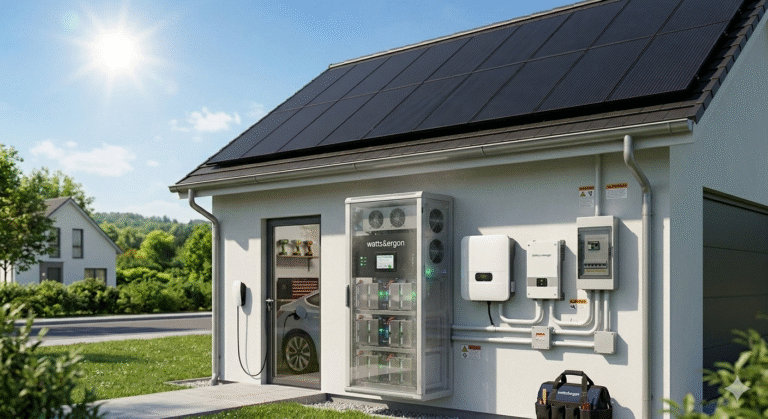
At Watts & Ergon, a DEWA-approved solar and electrical contractor, we provide complete EV charger installation services for villas, apartments, offices, hotels, and commercial properties across Dubai.
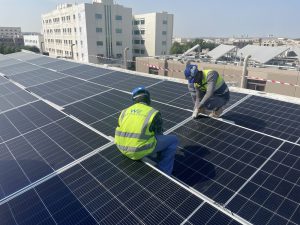
At Watts & Ergon, a DEWA-approved and ISO-certified solar EPC contractor, we specialize in designing and installing high-performance rooftop solar systems tailored specifically for warehouses, distribution centers, and industrial facilities across Dubai and the UAE.
At Watts & Ergon, a DEWA-enrolled, ISO-certified solar EPC contractor, we design and install systems specifically engineered for UAE conditions. Here’s what actually works in 2026.