DEWA-approved solar in UAE

How to Clean Solar Panels the Right Way (Boost Efficiency by 30%)

Cleaning your solar panels the right way is straightforward, safe, and highly rewarding. By following this guide—using gentle tools, cleaning at the right time, avoiding mistakes, and scheduling regularly—you can boost efficiency by up to 30%, save money, and extend your system's life.

Solar panels are a fantastic investment in renewable energy, slashing electricity bills and reducing your carbon footprint. But here’s something many homeowners overlook: dirt, dust, bird droppings, pollen, and grime can significantly reduce their performance. In dusty or polluted areas, soiling can cut efficiency by 10-40%, with some studies showing losses up to 50% in extreme cases.

Proper cleaning can restore—and even boost—output by 20-30% or more, depending on your location and buildup. This comprehensive guide covers everything you need to know to keep your solar system performing at peak levels for decades.


Why Cleaning Solar Panels Matters: The Science of Soiling

Solar panels convert sunlight into electricity through photovoltaic cells. Any obstruction—like a thin layer of dust—blocks photons from reaching the cells, reducing energy production.

Key Impacts of Dirt:

  • Efficiency Loss: Dust accumulation often causes 5-25% drops in typical conditions. One analysis found average annual losses around 7% in the U.S. due to soiling.
  • Hot Spots: Uneven soiling can create temperature variations, leading to potential damage over time.
  • Longevity: Built-up grime (especially acidic bird droppings) can degrade protective glass or anti-reflective coatings.
  • Financial Hit: For a typical residential system, a 20% loss means hundreds of dollars wasted annually.

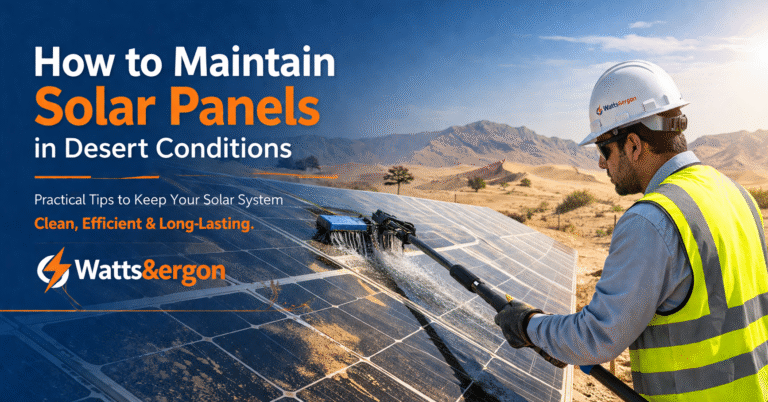
Real-world example: In desert regions like the Middle East or the U.S. Southwest, uncleaned panels can lose 30-50% output after several months without maintenance.

When and How Often Should You Clean?

Location Type Recommended Frequency Reasons
Rainy/Humid Coastal Areas 1-2 times per year Natural rain helps, but pollen and residue build up.
Moderate/Suburban Every 6 months Standard for most suburban homes.
Arid/Desert/High Pollen Every 3-4 months Rapid dust accumulation.
Near Farms/Construction After major events + routine Heavy soiling risks.
Best Time of Day: Clean in the early morning or late evening. Avoid midday when panels are hot—spraying cold water on hot glass can cause thermal shock and micro-cracks.

Essential Tools and Supplies

Must-Haves for DIY:

  • Soft-bristle brush or microfiber cloth (non-abrasive).
  • Telescopic extension pole (for ground-based cleaning—safer!).
  • Garden hose with gentle spray nozzle (low pressure).
  • Bucket with mild, neutral pH soap (like a few drops of dish soap).
  • Squeegee to remove excess water and prevent spots.
What to Avoid:
  • Pressure washers (can crack glass or loosen seals).
  • Abrasive pads or steel wool (scratches coatings).
  • Harsh chemicals like bleach or ammonia.

Step-by-Step Guide: The DIY Method

  1. Preparation: Check the weather for a cool day. Turn off your solar system at the inverter and main disconnect.
  2. Pre-Rinse: Use a gentle hose spray to remove loose dust and leaves. Work from top to bottom.
  3. Apply Solution: Mix mild soap in a bucket. Use your soft brush/extension pole to gently scrub in circular motions.
  4. Scrub Gently: Let the solution sit on stubborn spots like bird droppings for a minute before scrubbing.
  5. Rinse Thoroughly: Hose off all soap residue. Leftover soap attracts more dirt!
  6. Final Inspection: Allow to air dry (or squeegee). Turn the system back on and monitor your output.

DIY vs. Professional Cleaning

Aspect DIY Cleaning Professional Service
Cost Low ($0-50) $150-500+ per visit
Safety Risky on roofs Trained pros with harnesses
Thoroughness Good for basics Superior (includes inspections)

Common Myths

  • “Rain cleans them perfectly”: False. Rain often leaves residue and can’t remove sticky pollen or bird droppings.
  • “You never need to clean them”: Most locations require cleaning to maintain peak efficiency and warranty validity.

Maximize Your Energy Production Today!

Have you cleaned your panels recently? Share your before-and-after results in the comments! For more tips, explore our guides on inverter maintenance and battery storage.

Watts & Ergon,

Table of Contents