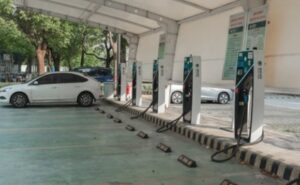
EV Charger Installation in Dubai: (2026 Guide)
At Watts & Ergon, a DEWA-approved solar and electrical contractor, we provide complete EV charger installation services for villas, apartments, offices, hotels, and commercial properties across Dubai.

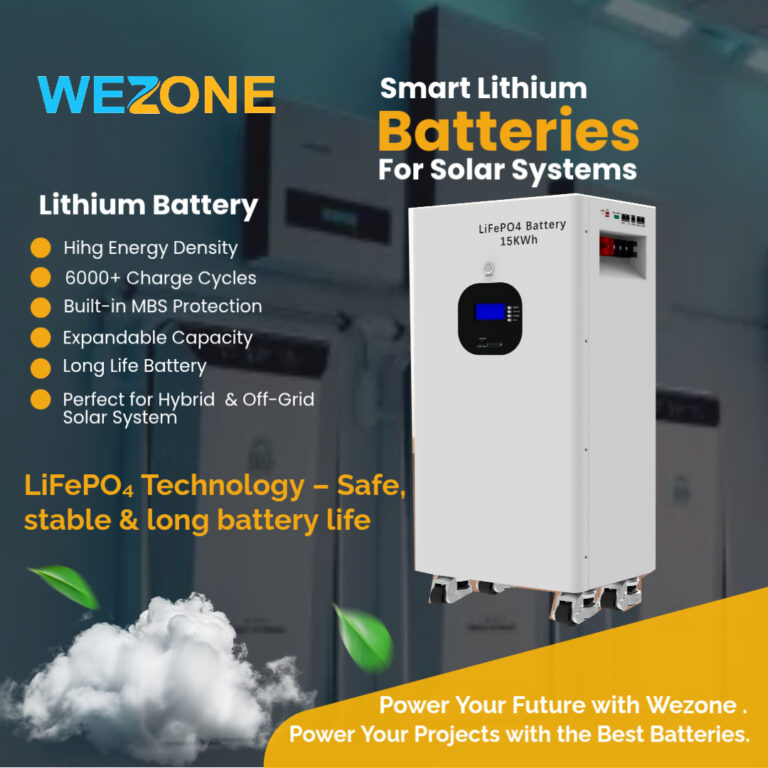
A Battery Management System (BMS) is the essential electronic “brain” that oversees and safeguards a rechargeable battery pack, typically composed of multiple lithium-ion, LiFePO4, or similar cells. It monitors critical parameters, prevents dangerous conditions, balances cells for optimal performance, and ensures the battery operates safely and efficiently over thousands of cycles.
BMS technology is indispensable in electric vehicles (EVs), e-bikes, solar energy storage, drones, power tools, laptops, and grid-scale batteries — without it, batteries risk rapid degradation, reduced capacity, or even thermal runaway leading to fire.
Individual battery cells vary slightly in capacity, internal resistance, and aging rates. In a pack, this imbalance causes some cells to overcharge or over-discharge first, limiting overall performance and lifespan. A BMS continuously watches:
It intervenes to keep everything within safe limits, preventing hazards like overcharge (which can cause fires) or deep discharge (which permanently damages cells).
<!– –>
–>
| Protection Type | Trigger Condition | Action |
|---|---|---|
| Over-voltage | Cell > ~4.2–4.3 V | Stop charging |
| Under-voltage | Cell < ~2.5–3.0 V | Stop discharging |
| Over-current | Too high charge/discharge current | Disconnect load/charger |
| Short-circuit | Extremely high current | Immediate disconnect |
| Over-temperature | > ~60–80 °C | Stop operation |
| Under-temperature | < ~0–5 °C (especially charging) | Prevent charge/discharge |
 –>
–>
 –>
–>
In an EV in Dubai’s extreme heat, the BMS calculates displayed range, enables safe fast charging, balances cells during long drives, and protects during 45°C+ ambient temperatures. In home solar setups, it coordinates with inverters to maximize stored solar energy while preventing damage.
The BMS quietly enables the reliability we expect from modern batteries — turning potentially unstable high-energy cells into safe, durable power sources.
Explore BMS selection for DIY projects, EV-specific designs, or the latest trends in wireless BMS technology.
At Watts & Ergon, a DEWA-approved solar and electrical contractor, we provide complete EV charger installation services for villas, apartments, offices, hotels, and commercial properties across Dubai.
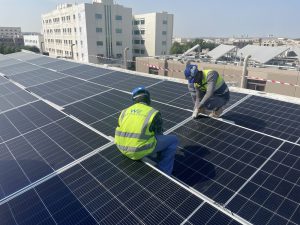
At Watts & Ergon, a DEWA-approved and ISO-certified solar EPC contractor, we specialize in designing and installing high-performance rooftop solar systems tailored specifically for warehouses, distribution centers, and industrial facilities across Dubai and the UAE.

At Watts & Ergon, a DEWA-enrolled, ISO-certified solar EPC contractor, we design and install systems specifically engineered for UAE conditions. Here’s what actually works in 2026.