
Thermal Imagery Services
Professional Thermal Imagery Services in Dubai, UAE – Advanced infrared thermography and thermal imaging inspections for residential, commercial, and industrial properties. Detect hidden electrical faults, hotspots, energy leaks, insulation issues, moisture intrusion, HVAC inefficiencies, solar panel defects, and more using certified, non-destructive technology. Prevent costly breakdowns, enhance safety, optimize energy efficiency, and reduce bills in Dubai’s extreme heat. Fast, accurate reports delivered by Level-certified thermographers with drone options available for large-scale or rooftop assessments.
Our infrared thermography inspections in Dubai detect load imbalances and faults in switchgear. DEWA-compliant thermal surveys prevent arc flash risks. Schedule a thermal imaging inspection for tailored solutions!
Predictive Maintenance Solutions
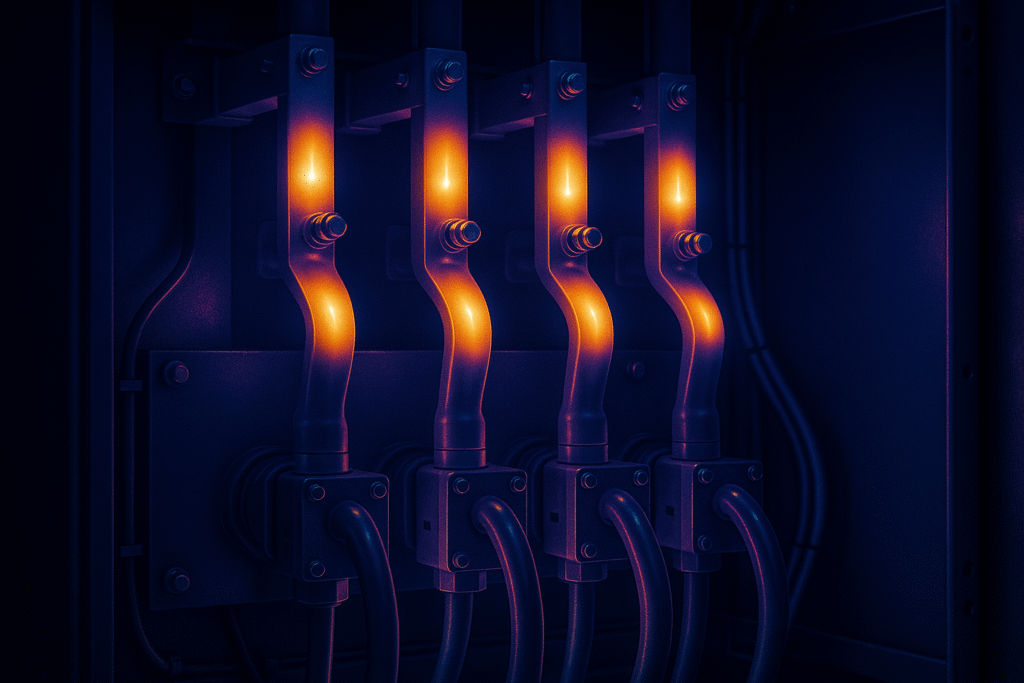
Watts & Ergon’s thermal imaging for industrial facilities in UAE uses IR cameras to extend equipment life. Our experts deliver predictive maintenance strategies. Request a thermal survey for customized results!
Professional Predictive Maintenance Solutions in Dubai, UAE – Cutting-edge AI, IoT, and data-driven predictive maintenance services for buildings, HVAC systems, electrical infrastructure, MEP assets, solar panels, and industrial equipment. Prevent unexpected breakdowns, minimize costly downtime, extend asset lifespan, optimize energy efficiency, and slash operational costs in Dubai’s demanding climate. Real-time monitoring, anomaly detection, vibration analysis, thermal imaging integration, and actionable insights from certified experts help facility managers, property owners, and industries achieve proactive, smart maintenance for maximum reliability and sustainability.
Infrared Thermography Inspections
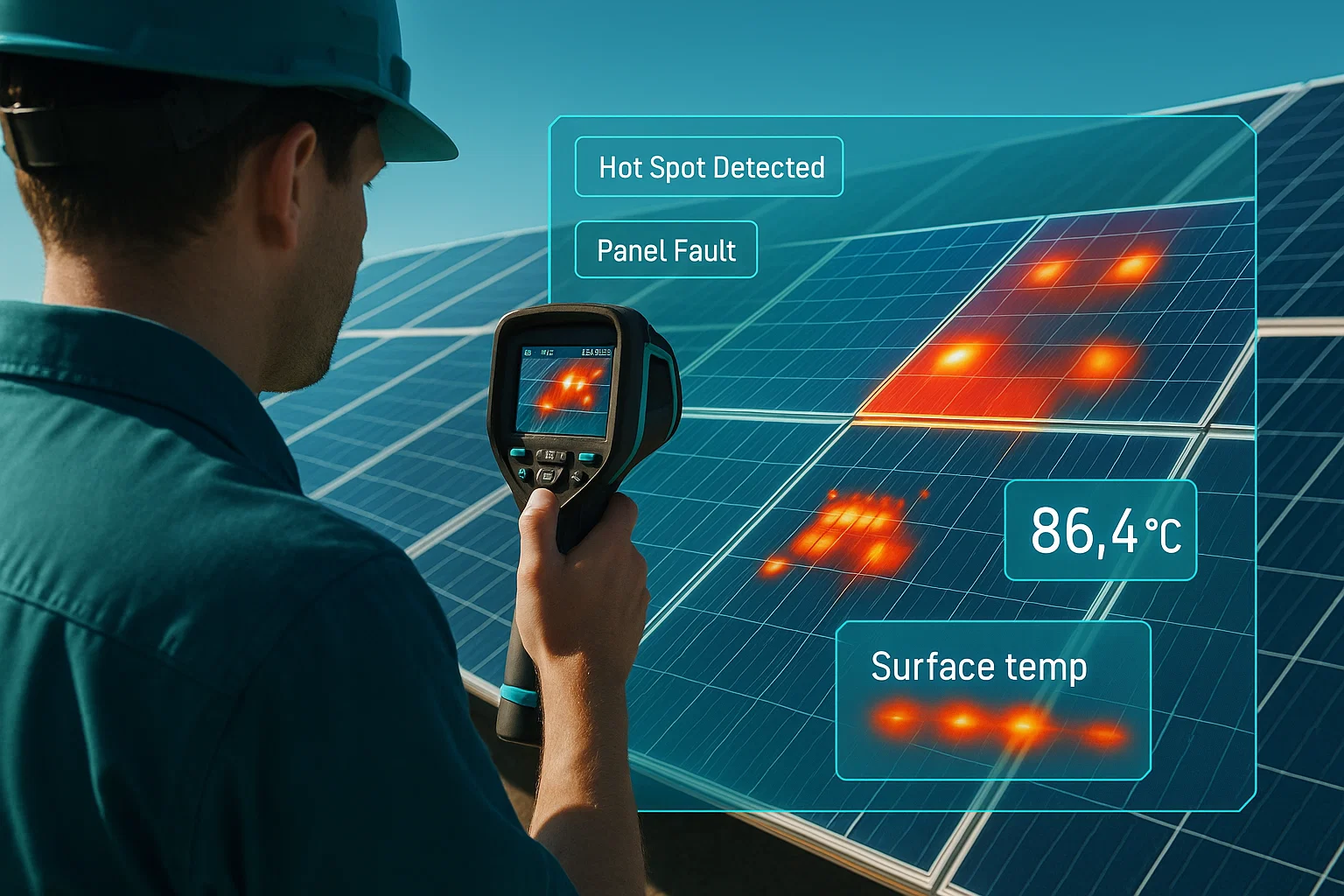
Professional Infrared Thermography Services in Dubai, UAE – Advanced non-destructive thermal imaging inspections for residential villas, commercial buildings, industrial facilities, and solar installations. Using high-resolution infrared cameras and certified Level thermographers, we detect hidden anomalies like electrical hotspots, insulation deficiencies, moisture intrusion, HVAC inefficiencies, and solar panel defects—without interrupting operations.
In Dubai’s extreme heat and high-energy-demand environment, infrared thermography is essential for predictive maintenance, safety compliance, and energy optimization. Our fast, accurate surveys provide detailed thermographic reports with prioritized recommendations, helping you prevent costly failures, reduce downtime, enhance asset reliability, and lower utility bills.Our infrared thermography inspections in Dubai detect load imbalances and faults in switchgear. DEWA-compliant thermal surveys prevent arc flash risks.
Grow with Thermal Imagery: Secure Dubai Facilities
Thermal imagery, also known as thermography or infrared (IR) imaging, has become a cornerstone technology for securing and scaling facilities across Dubai and the UAE. In a city defined by rapid urban growth, extreme desert conditions, critical infrastructure, and ambitious visions like Smart Dubai 2030 and We the UAE 2031, thermal cameras enable facilities to detect threats, prevent failures, and optimize operations in total darkness, fog, smoke, or low-visibility environments where traditional CCTV fails.
This detailed guide explains thermal imagery in depth — its technical principles, applications, market dynamics, regulatory requirements, leading providers, implementation strategies, ROI for business growth, challenges, best practices, and future trends. By adopting thermal systems, Dubai facilities don’t just protect assets — they grow sustainably with minimal risk, reduced downtime, and enhanced efficiency.
Technical Foundations of Thermal Imagery
Thermal imaging detects infrared radiation (heat) emitted by all objects above absolute zero (-273°C). Unlike standard cameras that rely on visible light, thermal sensors capture long-wave IR (8–14 μm) and convert temperature differences into visible thermograms (heat maps). Hotter objects appear brighter in white-hot palettes or in false colors for easier analysis.
- Detectors: Uncooled microbolometers (cost-effective and reliable in UAE heat) for commercial use; cooled detectors for long-range military-grade applications.
- Resolution & Range: 640x480+ pixels with detection ranges from hundreds of meters to several kilometers.
- Radiometric Capability: Precise temperature measurement (±2°C accuracy) for industrial diagnostics.
- Enhancements: AI object classification, dual-spectrum (thermal + visible) fusion, radar integration, and Optical Gas Imaging (OGI) for leak detection.
In Dubai’s harsh environment — with sandstorms, 50°C+ heat, and dust — thermal cameras penetrate conditions that blind visible-light systems. They enable predictive maintenance by flagging overheating equipment before failures occur.
Market Growth and Dubai’s Strategic Imperative
The UAE surveillance market continues to expand rapidly, driven by smart-city investments and critical infrastructure protection. Thermal imaging solutions are growing particularly fast due to their effectiveness in low-visibility Gulf conditions.
- Strong demand in oil & gas, ports, airports, data centers, and industrial facilities.
- AI-powered thermal systems showcased at Intersec Dubai 2026 by leaders like Raythink Technology.
- Integration with 360° panoramic cameras, PTZ systems, and multispectral sensors for kilometer-scale coverage.
Regulatory Compliance: SIRA Standards in Dubai (2026 Updates)
All security systems in Dubai must comply with the Security Industry Regulatory Agency (SIRA). Key requirements include:
| Requirement | Details |
|---|---|
| Camera Visibility | Cameras must be visible; covert installations require special SIRA approval. |
| Outdoor Rating | Minimum IP66 rating, suitable for high temperatures, humidity, and dust. |
| Wide Dynamic Range | ≥110 dB for cameras facing light sources. |
| Resolution | Minimum Full HD 1080p (many 2026 projects moving toward 4K). |
| Audio Recording | Generally prohibited without SIRA permission. |
| Storage & Access | 31–90 days retention depending on facility type; remote access for authorities. |
Thermal and bi-spectral cameras integrate well with these standards, often exceeding baseline requirements for low-light and adverse weather performance.
Core Applications for Facility Security & Growth
- Perimeter & Intrusion Detection: 24/7 monitoring with AI-reduced false alarms. Raythink’s SilentW-U 360° panoramic and PC6 PTZ cameras provide km-level coverage for oil fields, harbors, and large sites.
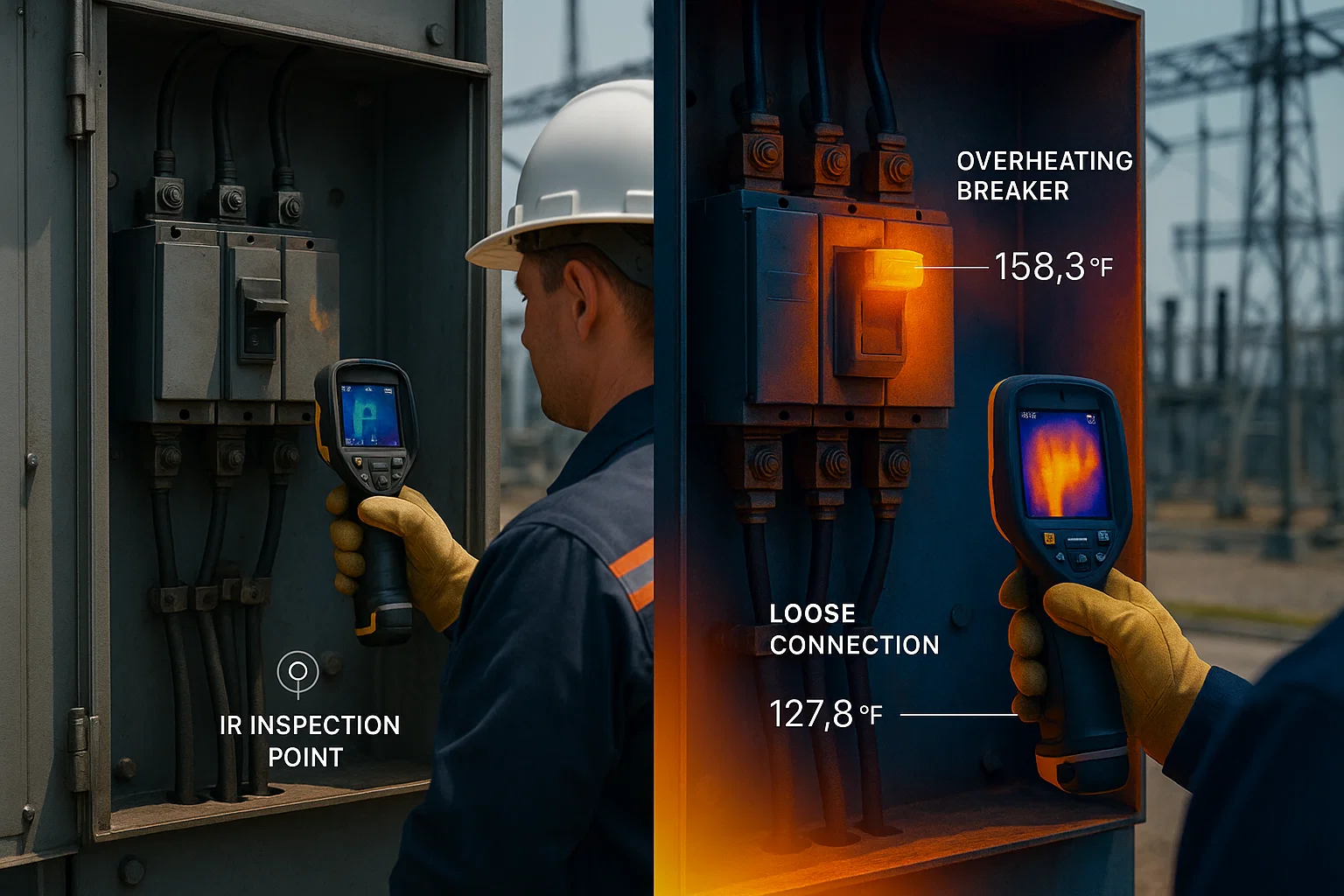
- Fire & Overheating Prevention: Early hotspot detection in electrical systems, HVAC, solar farms, and data centers.
- Critical Infrastructure: ADNOC, airports (DXB/DWC), Jebel Ali Port, and smart-city projects benefit from thermal + radar fusion.
- Predictive Maintenance: Non-contact inspection of equipment to reduce unplanned downtime by 30–50%.
- Health & Access Screening: Fixed or handheld systems for elevated temperature detection at entrances.
- Energy Audits & Sustainability: Identify insulation issues and support UAE Net Zero 2050 goals.
Leading Providers in Dubai & UAE
Chubb Fire & Security UAE
Offers complete fixed thermal imaging CCTV packages including camera, NVR, tripod, and brackets. Ideal for entrances (fever screening) and perimeters. Handheld options available. Full site survey, installation, and 12-month warranty.
Datazone Systems
Operating since 2005, provides custom thermal imaging solutions with advanced analytics for low false alarms and 24/7 high-contrast imaging in extreme weather. Strong focus on integration for plants and offices.
TI Thermal Imaging LLC
FLIR-authorized distributor with Level 3 thermographers. Specializes in certified inspections, electrical/building thermography, and Trakhees/EHS-approved reports. Based in Abu Dhabi serving Dubai and wider UAE.
Teledyne FLIR
Dubai service center in Dubai South (near Al Maktoum Airport) for repairs, calibration, and support of security and industrial thermal cameras.
Emerging Innovators
Raythink Technology (Intersec Dubai 2026 showcase): AI-powered SilentW-U panoramic, PC6 multispectral PTZ, gas detection, and early fire detection cameras.
Strategic Pathways to Grow with Thermal Imagery
- Significant reduction in theft, fire incidents, and equipment downtime.
- Energy efficiency gains through audits.
- Scalable modular systems for expanding facilities.
- Compliance with SIRA and sustainability targets.
Start with a pilot perimeter system and scale to full AI-integrated networks with drone support. Integration with Building Management Systems (BMS), access control, and IoT platforms creates intelligent, automated security ecosystems.
Challenges & Best Practices
Common Challenges: Initial investment, dust calibration in desert conditions, false alarms from environmental heat, and privacy considerations.
Best Practices:
- Engage SIRA-approved integrators for site surveys and risk assessments.
- Choose radiometric or bi-spectral models based on specific needs.
- Implement AI analytics for intelligent alerting.
- Train staff through provider programs.
- Schedule regular maintenance and calibration.
Future Trends
At Intersec Dubai 2026, AI-thermal fusion, multispectral PTZ systems, counter-drone integration, and predictive analytics dominated discussions. Expect wider adoption of drone-mounted thermal, digital twins, and edge AI for autonomous facility management by 2030.
FAQs
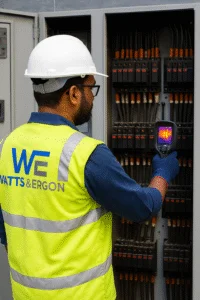
Thermal imaging (also known as infrared thermography) for electrical panels in Dubai is a non-invasive, non-destructive diagnostic technique that uses high-resolution infrared cameras to detect abnormal heat patterns and “hotspots” in electrical distribution systems. It identifies potential faults such as loose connections, overloaded circuits, faulty breakers, corroded terminals, imbalanced loads, or failing components—issues that generate excess heat invisible to the naked eye.
In Dubai’s extreme climate—with intense heat, high humidity, and heavy reliance on air conditioning leading to peak electrical loads—electrical panels (including main distribution boards (MDBs), sub-main distribution boards (SMDBs), control panels, switchgear, and fuse boards) are prone to accelerated wear, overheating, and failure risks. Thermal imaging provides a quick, safe scan under live, normal operating conditions (ideally at ≥40–60% load per international standards like NETA and ISO), allowing early detection without shutting down power.
Thermal imaging uses infrared cameras to detect heat patterns in electrical panels, helping identify potential faults, overloads, or hotspots before they cause failures.
Infrared thermography inspection (also called thermal imaging or IR thermography) is a non-contact, non-destructive testing method widely used across the UAE—especially in Dubai and Abu Dhabi—for predictive maintenance, safety checks, and energy optimization. It detects temperature variations and abnormal heat patterns in electrical, mechanical, building, and solar systems using specialized infrared cameras. In the UAE’s extreme heat, high humidity, and intense AC-driven electrical loads, this technology is particularly valuable for spotting issues early before they cause failures, fires, outages, or high energy waste.
Core Principle
All objects above absolute zero emit infrared radiation (heat energy) proportional to their temperature. Infrared thermography captures this invisible radiation and converts it into visible images (thermograms) where:
* Hotter areas appear in brighter colors (red, yellow, white).
* Cooler areas appear in darker colors (blue, black, purple).
Abnormal hotspots indicate problems like loose connections, overloads, insulation gaps, or faulty components—issues often invisible during normal visual inspections.
Electrical thermal scanning services (also known as infrared thermography or thermal imaging for electrical systems) are critically important in Dubai due to the emirate’s unique environmental, operational, and regulatory challenges. Using advanced infrared cameras, these services detect hidden hotspots, overheating, and anomalies in electrical panels, switchgear, transformers, connections, and distribution systems—issues that are invisible during standard visual inspections but can lead to serious problems.
Thermal scanning helps prevent costly downtime, reduces the risk of electrical fires, and ensures optimal performance of switchgear, distribution boards, and industrial electrical systems.
Yes, thermal imaging (infrared thermography) is highly effective at detecting issues in switchgear across the UAE, including Dubai and Abu Dhabi. It is a standard, non-invasive predictive maintenance tool used widely on low-voltage (LV) and medium-voltage (MV) switchgear, control panels, MCCs (motor control centers), and related assemblies.
Switchgear components—such as busbars, circuit breakers, connections, terminations, contacts, insulators, and enclosures—generate excess heat when problems arise. Thermal imaging identifies these abnormal hotspots and temperature anomalies early, often before visible signs or failures occur.
Common Issues Detected in Switchgear via Thermal Imaging
* Loose, corroded, or poor connections (e.g., bolted joints or terminations)
* Overloaded phases or imbalanced loads
* Faulty or failing circuit breakers/contactors
* Overheating busbars or insulators
* Defective strip heaters (in outdoor/enclosed switchgear to prevent condensation)
* Internal faults causing abnormal heat patterns
* Insulation breakdown or degradation
These issues are especially prevalent in the UAE due to extreme heat (45°C+ summers), high humidity, dust, and heavy electrical loads from AC systems and industrial/commercial operations—accelerating wear and increasing failure risks.
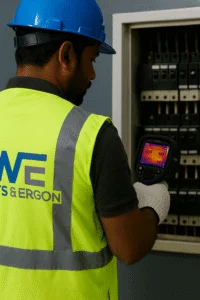
IR camera inspections (infrared thermography or thermal imaging) for DB panels (Distribution Boards, also called DBs, fuse boards, or sub-distribution panels) in Dubai are specialized, non-invasive scans using high-resolution infrared cameras to detect hidden overheating, hotspots, and potential faults in residential, commercial, and villa electrical distribution boards.
DB panels distribute power from the main supply (e.g., DEWA meter) to circuits throughout a building. In Dubai’s extreme heat, high AC loads, dust, and humidity, components like MCBs (miniature circuit breakers), busbars, connections, terminals, wiring, and neutral links can develop issues causing excess heat—often invisible until failure.
How IR Camera Inspections Work for DB Panels
* A certified Level I/II thermographer uses a professional thermal imaging camera (e.g., FLIR or Fluke) to scan the DB panel live under normal operating conditions (ideally ≥40–60% load for accurate detection).
* The camera captures infrared radiation (heat) emitted by components, converting it into color-coded thermograms: hotspots appear bright (red/yellow/white), while normal areas are cooler (blue/black).
* Visual (RGB) photos are taken for comparison.
Key measurements include spot temperatures, delta-T (temperature rise above ambient or similar components), and patterns to identify anomalies.
Predictive maintenance using thermal imaging (infrared thermography) helps UAE businesses move from reactive repairs to proactive strategies. Certified thermal cameras detect abnormal heat patterns early in electrical systems, HVAC, motors, switchgear, solar panels, and more—preventing failures before they happen.
Key Benefits for UAE Businesses
- Reduced Unplanned Downtime — Early hotspot detection avoids outages in hotels, data centers, factories, and retail—saving thousands in lost revenue per hour.
- Lower Maintenance & Repair Costs — Planned fixes cost 15–40% less than emergencies; thermography programs significantly cut overall maintenance expenses.
- Enhanced Safety & Fire Prevention — Spots overheating faults early, reducing fire risks and aligning with Dubai Civil Defence and DEWA safety standards.
- Energy Efficiency & Bill Savings — Fixes energy-wasting issues in extreme heat/high-AC settings—lowering DEWA bills and supporting UAE Net Zero goals.
- Extended Equipment Lifespan — Proactive care extends asset life by 20–30%+, protecting costly MEP, industrial, and solar investments.
- Non-Disruptive Inspections — Live scans under normal loads mean zero or minimal downtime—perfect for 24/7 operations.
- Regulatory & Compliance Edge — Meets DEWA thermographic survey recommendations for critical infrastructure, supports audits, insurance, and green certifications.
It’s an essential tool for facility managers, property owners, and industries focused on reliability, safety, and cost control in the UAE.