Master solar panel maintenance in UAE: cleaning schedules, shading fixes & monitoring tools. Boost system efficiency year-round. Get a free audit today!
Essential Solar Panel Maintenance and Efficiency Tips
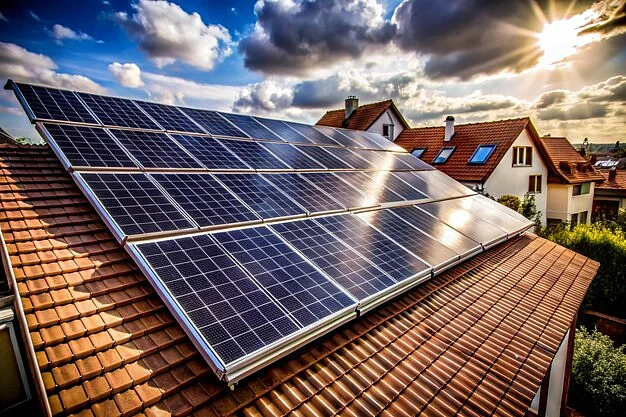
Solar panel maintenance is the single most effective action UAE system owners can take to protect their investment and sustain peak output year-round. Dust, sand, and intense summer heat in Dubai, Abu Dhabi, Sharjah, and across the UAE silently erode solar panel efficiency — sometimes by 30% or more if panels go uncleaned. Our certified engineers at Watts & Ergon have maintained hundreds of rooftop and ground-mount systems across the UAE. This guide gives you a practical, structured maintenance plan covering cleaning, monitoring, shading analysis, and long-term solar panel care.
⚡ Key Takeaways
Regular solar panel cleaning in UAE’s dusty climate can recover up to 30% of lost output.
Smart monitoring systems detect inverter faults and underperformance before they compound into costly failures.
Shading from new structures, equipment, or vegetation is a leading cause of hidden efficiency loss.
Preventive maintenance every 3–6 months extends solar panel lifespan well beyond the standard 25-year warranty period.
As per 2026 DEWA Shams Dubai programme guidelines, system owners are responsible for keeping their grid-connected systems in compliant operating condition.
Thermal imaging and performance analysis catch degradation faults that visual inspection alone will miss.
What Is Solar Panel Maintenance — and Why Does It Matter?
Solar panel maintenance refers to all scheduled and reactive activities that keep a photovoltaic (PV) system producing at its rated capacity. This includes physical cleaning, electrical inspection, inverter checks, structural assessments, and performance monitoring. Without it, solar panel efficiency deteriorates steadily — and silently.
The UAE Climate Challenge
The UAE’s environment is uniquely hostile to solar panels. Dust storms from the Empty Quarter, humidity spikes in coastal areas like Dubai and Sharjah, and temperatures regularly exceeding 45°C accelerate soiling and micro-crack formation. A panel left uncleaned for 30 days in Dubai loses an average of 15–25% of its rated output. In Abu Dhabi and Ras Al Khaimah, where industrial particulates combine with desert sand, that figure climbs higher.
What Maintenance Actually Covers
A complete solar panel upkeep programme covers more than wiping down glass surfaces. Our team at Watts & Ergon delivers residential solar PV system maintenance that includes electrical torque checks, earthing continuity tests, junction box inspections, and inverter firmware reviews. We follow a structured checklist aligned with IEC 62446-1 standards, ensuring nothing is overlooked between visits.
Why Solar Panel Efficiency Drops in UAE — 2026 Realities
Understanding what causes efficiency loss is the first step to preventing it. Solar panel performance degrades for several reasons that are especially pronounced across the UAE and GCC region.
The Top Causes of Efficiency Loss
Dust and soiling: Fine desert sand settles on panel surfaces, blocking sunlight. This is the leading cause of efficiency loss in Dubai, Abu Dhabi, and Sharjah.
Shading: New buildings, air-conditioning units, satellite dishes, and overgrown vegetation cast shadows that trigger hotspot formation and diode stress.
Thermal degradation: Panels operating above 25°C lose approximately 0.4% output per additional degree Celsius — significant in UAE summers.
PID (Potential Induced Degradation): Voltage stress in large arrays causes ion migration in panel cells, reducing output permanently if untreated.
Inverter inefficiency: Ageing inverters operate below rated conversion efficiency, wasting generated power before it reaches your distribution board.
The Cost of Ignoring Maintenance
A 10 kW residential system in Dubai generating an average of 1,500 kWh per month at AED 0.38 per kWh loses approximately AED 1,710 per year from a 25% efficiency gap alone. Over a 25-year lifespan, that is nearly AED 42,750 in lost savings — far exceeding the cost of a structured maintenance contract. As per 2026 DEWA Shams Dubai programme regulations, grid-connected system owners also face compliance responsibilities; a poorly maintained system risks failing periodic inspections.
Solar Panel Cleaning: Schedule, Methods & Best Practices
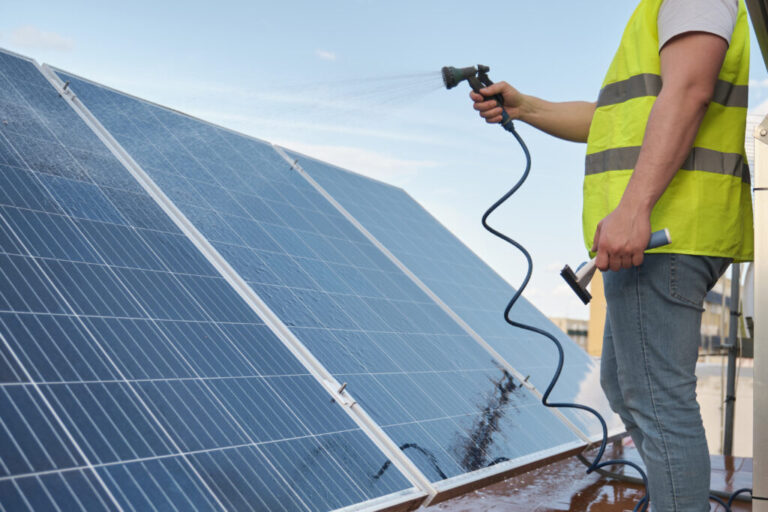
Solar panel cleaning is the highest-return maintenance task for UAE system owners. Our engineers recommend a minimum cleaning frequency of every 4–6 weeks during the dry season (October to May) and every 8 weeks during summer, when dust storms are fewer but humidity-related soiling is heavier.
Cleaning Methods Compared
Solar Panel Cleaning Method Comparison
Method
Suitability
Water Use
Risk Level
UAE Recommendation
Manual soft-brush dry clean
Small residential systems
None
Low
Good for weekly top-ups
Deionised water with soft mop
All system sizes
Low
Low
Best for fortnightly cleans
Automated robotic cleaning
Large commercial/utility arrays
Zero
Very Low
Ideal for 50 kW+ systems
High-pressure water jet
Not recommended
High
High — voids warranty
Avoid
Chemical cleaning agents
Not recommended
Moderate
High — panel damage risk
Avoid
Always clean panels in the early morning or late evening. Thermal shock from cold water hitting hot panels at midday can cause micro-cracks. Our DEWA-approved on-grid solar project services team includes cleaning protocols in every maintenance visit.
DIY vs Professional Solar Panel Cleaning
DIY cleaning suits single-storey residential panels accessible from a safe working platform. For rooftop arrays in Dubai residential towers, commercial buildings in Abu Dhabi’s industrial zones, or ground-mount systems in Ras Al Khaimah, professional cleaning is essential. Our ISO 45001:2018-certified technicians use height-safety equipment, deionised water systems, and non-abrasive materials that preserve anti-reflective coatings. We have completed maintenance programmes on 500+ solar systems across the UAE.
Solar Panel Monitoring: Detect Problems Before They Cost You
Solar energy monitoring is the intelligence layer of any well-maintained system. Without it, a faulty string, a failing inverter, or a shading problem can go undetected for months — silently eroding output and financial returns.
What a Good Monitoring System Tracks
String-level DC current and voltage: Detects underperforming strings caused by shading, soiling, or cell faults.
Inverter AC output power: Confirms conversion efficiency and flags clipping events.
System uptime and fault alerts: Sends real-time SMS or email notifications when generation drops unexpectedly.
Performance Ratio (PR): Benchmarks actual output against theoretical maximum based on irradiance data.
Export and import metering: Confirms correct billing under DEWA’s net-metering Shams Dubai framework.
Smart Monitoring Tools Our Engineers Deploy
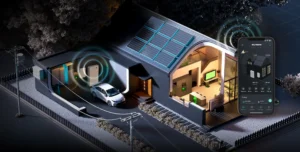
Our engineers configure smart solar monitoring platforms — including SolarEdge, Sungrow iSolarCloud, and Huawei FusionSolar — on all systems we commission and maintain. Each platform integrates with your inverter’s data logger and pushes performance dashboards to your phone or facility management system. For commercial clients in Abu Dhabi, Sharjah, and Dubai, we link monitoring to our energy management and auditing service to track total facility energy performance alongside solar generation data.
Shading Analysis: The Hidden Efficiency Killer
Solar panel shading issues are frequently overlooked by system owners who focus on cleaning alone. Even a shadow covering 5% of a panel’s surface can reduce its output by 20–50% due to the series-circuit nature of most string inverter systems. In the UAE’s rapidly developing urban environments — where new towers in Dubai Marina, Abu Dhabi’s Al Reem Island, and Sharjah’s industrial zones appear regularly — shading risk grows every year.
Identifying Shading Sources
Common shading sources our engineers identify during site audits include:
New buildings or extensions constructed after the original solar survey
HVAC units, water tanks, or telecom equipment relocated on rooftops
Dust build-up on panel edges creating partial shading at low sun angles
Nearby trees or pergola structures added after installation
Bird nesting or soiling concentrated on specific panel zones
A solar panel shading analysis using sun-path simulation software maps shadow movement across your array throughout every hour of the year. This data reveals which panels lose the most output and during which months.
Shading Solutions: From Optimisers to Re-racking
Once shading is confirmed, our team recommends a proportionate solution. For mild partial shading, module-level power electronics (MLPEs) such as SolarEdge power optimisers or Enphase microinverters eliminate the “weakest link” problem by allowing each panel to operate independently. For severe structural shading, we conduct a layout redesign. Our thermal imagery services use infrared drone surveys to pinpoint hotspot-prone panels before they fail, cutting fault diagnosis time from days to hours.
Preventive Maintenance: Your Annual Solar System Checklist
Preventive maintenance for solar panels extends system lifespan, maintains warranty validity, and ensures compliance with DEWA, SEWA, ADDC, and FEWA requirements across UAE emirates. Our structured programme covers every component from panel glass to earthing conductor.
Quarterly and Annual Inspection Tasks
Quarterly Tasks
Panel surface cleaning (deionised water method)
Visual inspection for cracks, discolouration, or delamination
Inverter fault log review and firmware update check
Monitoring platform data review for Performance Ratio trends
DC isolator and AC breaker operation check
Annual Tasks
Torque testing of all electrical terminations
Insulation resistance (IR) testing of DC cables
Earthing continuity and lightning protection system check (per IEC 62305)
Thermal imaging of all panels and combiner boxes
Structural fastener inspection for corrosion — critical in coastal Dubai and Abu Dhabi locations
DEWA Shams Dubai compliance documentation review
Solar Panel Degradation Prevention
Standard solar panels degrade at approximately 0.5% per year under ideal conditions. UAE’s high UV exposure and heat can push this to 0.7–0.9% annually without proper care. Our ISO 14001:2015-aligned maintenance practices — including shade management, cleaning schedules, and annual thermal surveys — demonstrably slow degradation rates. Our earthing and lightning protection services also guard against surge damage that causes sudden, severe degradation events.
Maintenance Costs, ROI & Payback in UAE
Many system owners delay maintenance to cut costs — a calculation that consistently backfires. A professional solar panel maintenance contract in the UAE typically costs between AED 800 and AED 3,500 per year for residential systems, depending on system size, access difficulty, and monitoring complexity.
Maintenance Cost vs Output Recovery: UAE Comparison
These figures use DEWA’s 2026 slab tariff for residential consumers. The full maintenance programme delivers a net positive return in Year 1 — and compounds over 25 years. For commercial clients in Abu Dhabi or Sharjah with larger systems, the ROI is proportionally greater.
How to Choose a Solar Maintenance Provider in UAE
Not all solar maintenance providers in the UAE deliver consistent quality. When evaluating providers, check for:
DEWA-approved contractor status — mandatory for any work on grid-connected systems in Dubai
ISO certifications — ISO 9001:2015 (quality), ISO 45001:2018 (safety), ISO 14001:2015 (environment)
Dubai Municipality licence — required for electrical works in Dubai
Documented service reports — every visit should produce a written inspection report with measurements
Monitoring integration experience — the provider should configure and verify your monitoring platform, not just clean panels
Watts & Ergon holds all of the above credentials and serves clients across Dubai, Abu Dhabi, Sharjah, Ras Al Khaimah, and the wider UAE. Our utility-scale PV project maintenance services extend the same rigour applied to large commercial arrays to every residential system we service.
What Distinguishes a Professional Provider
A professional UAE solar maintenance provider does three things differently from budget operators:
They measure — every visit produces quantified output data, not just a cleaning record.
They document — thermal images, IR test readings, and torque values go into a permanent system log.
They advise — they flag emerging risks before they become failures, recommending inverter replacements, cable upgrades, or layout changes based on evidence.
Our Commitment to UAE Solar System Owners
Our team at Watts & Ergon has delivered solar panel maintenance, performance audits, and system upgrades across the UAE since our founding. We are DEWA-approved, ISO 9001:2015 / ISO 45001:2018 / ISO 14001:2015 certified, and Dubai Municipality licensed. Every maintenance visit is conducted by trained engineers — not unskilled labour — using calibrated test equipment.
Whether you own a 5 kW villa rooftop system in Jumeirah or a 500 kW commercial array in Jebel Ali, our DEWA-based on-grid solar project services team delivers the same standard of care.
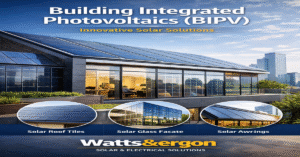
At Watts & Ergon, a leading DEWA-approved provider of premium solar PV panels, lithium batteries, solar inverters for industrial applications, electric wires, tools, distribution boxes, and complete installation services, we specialize in delivering elegant and high-performance BIPV solutions.
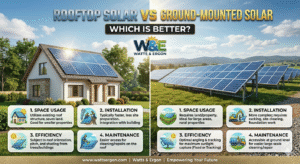
Watts & Ergon, Rooftop Solar vs Ground-Mounted Solar comparison for Dubai & UAE 2026. Detailed costs, efficiency, pros & cons, tables, and expert advice on solar PV panels, lithium batteries, solar inverters for industrial use. Shop complete systems online with professional installation team.