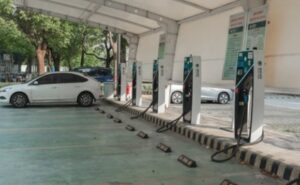
EV Charger Installation in Dubai: (2026 Guide)
At Watts & Ergon, a DEWA-approved solar and electrical contractor, we provide complete EV charger installation services for villas, apartments, offices, hotels, and commercial properties across Dubai.

At Watts & Ergon, we specialize in helping residential and commercial customers fully leverage smart meter technology through expert installation support, integration with solar systems, energy audits, and optimization services.
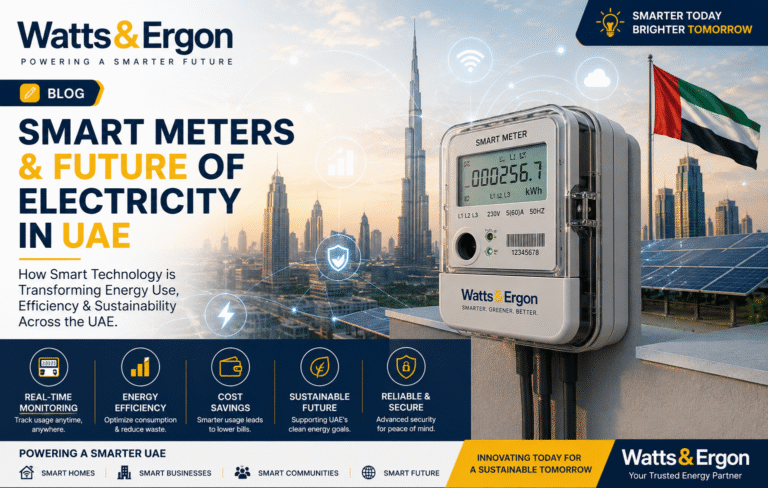
The United Arab Emirates, particularly Dubai, is at the forefront of digital transformation in the energy sector. In 2026, smart meters have become the backbone of modern electricity management. No longer relying on estimated readings or manual meter checks, utilities like DEWA now provide precise, real-time data that empowers both providers and consumers.
At Watts & Ergon, we specialize in helping residential and commercial customers fully leverage smart meter technology through expert installation support, integration with solar systems, energy audits, and optimization services.
This comprehensive guide dives deep into how smart meters are reshaping electricity in the UAE — from massive infrastructure rollouts to tangible benefits like reduced bills, enhanced sustainability, and smarter grid management. Whether you’re a homeowner frustrated with high DEWA bills or a business owner seeking efficiency, you’ll discover actionable insights and why 2026 is the year to embrace smart energy.
Key Milestone 2026: DEWA has successfully deployed over 2 million smart electricity and water meters across Dubai, achieving near 100% coverage and enabling a fully digital energy ecosystem.
Smart meters are advanced digital devices that record electricity consumption in real-time or at short intervals (every 15-30 minutes) and transmit data wirelessly to the utility company. Unlike traditional analog meters, they support two-way communication, allowing utilities to send signals back and customers to access detailed usage insights via apps.
In the UAE, these meters integrate with DEWA’s Smart Grid infrastructure, using RF-mesh networks for reliable data transmission even in dense urban environments.
DEWA’s Smart Applications via Smart Grid and Meters initiative is one of the largest in the region. By 2026, the authority has installed millions of units as part of a broader USD 1.9 billion smart grid investment.
Other emirates like Abu Dhabi (ADDC) and Sharjah are following suit with similar advanced metering infrastructure (AMI) programs.
| Year | Key Milestone | Impact |
|---|---|---|
| 2021-2024 | Initial mass rollout | Over 1.2 million electricity smart meters deployed |
| 2025-2026 | Full coverage achieved | 2+ million combined electricity & water meters |
| 2026+ | AI integration & demand response | Enhanced grid reliability and consumer tools |
Customers can now view hourly, daily, and monthly usage patterns directly in the DEWA app. This transparency helps identify high-consumption appliances and behaviors.
Eliminates estimated bills. DEWA now bills based on actual usage, reducing surprises and complaints.
Studies and real-world data show households can reduce consumption by 3-15% through better awareness. In Dubai’s climate, shifting usage away from peak hours yields significant savings.
Smart meters instantly report power interruptions, allowing DEWA to respond faster and improve reliability.
Perfect integration with Shams Dubai program. Smart meters accurately track exported solar energy for seamless credits.
Future-ready for dynamic tariffs where electricity costs less during off-peak times.
| Benefit | For Customers | For Utilities (DEWA) | Estimated Impact |
|---|---|---|---|
| Billing Accuracy | Exact usage, no estimates | Reduced disputes | 99%+ accuracy |
| Energy Savings | Lower DEWA bills | Reduced peak demand | 5-15% reduction |
| Grid Efficiency | Fewer outages | Lower technical losses | 4-7% loss reduction |
| Environmental | Track carbon footprint | Better renewable integration | Supports 2050 goals |
A typical Dubai villa consuming 4,000-6,000 kWh/month can save AED 300–800 monthly by optimizing usage based on smart meter data. Combined with solar, savings multiply.
| Scenario | Monthly Bill (AED) | Potential Savings | Annual Savings |
|---|---|---|---|
| Standard Usage | 1,200 – 2,500 | 8-12% | 1,200 – 3,600 |
| With Optimization | 900 – 2,000 | 15-25% (with solar) | 3,000 – 7,000+ |
Watts & Ergon offers full support to overcome these challenges through training and system integration.
As a leading DEWA-approved partner, Watts & Ergon provides:
Case 1: Dubai Villa Owner — After smart meter installation and Watts & Ergon audit, identified AC inefficiencies. Adjusted usage patterns reduced monthly bill by 28% (AED 650 savings).
Case 2: Commercial Facility in JAFZA — Integrated smart meter data with energy management system. Achieved 18% reduction in operational electricity costs within six months.
By 2030 and beyond, smart meters will enable widespread adoption of vehicle-to-grid technology, AI-driven demand response, and full renewable integration — supporting the UAE Net Zero 2050 vision.
Let Watts & Ergon, help you unlock the full potential of your smart meter. Get a FREE Smart Energy Assessment today and start saving on your DEWA bills.
No, but they provide the data needed to make informed decisions that lead to savings of 5-15% or more.
DEWA has rolled them out comprehensively across the emirate.
Yes — Watts & Ergon specializes in seamless solar-smart meter systems for optimal credits.
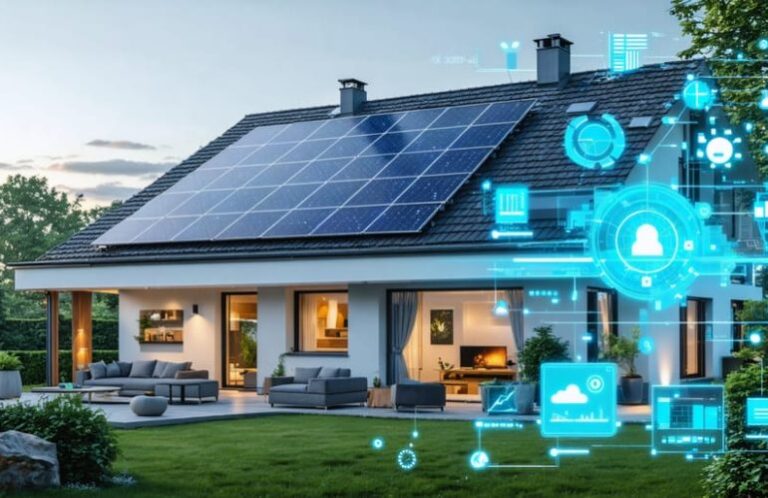
At Watts & Ergon, a DEWA-approved solar and electrical contractor, we provide complete EV charger installation services for villas, apartments, offices, hotels, and commercial properties across Dubai.
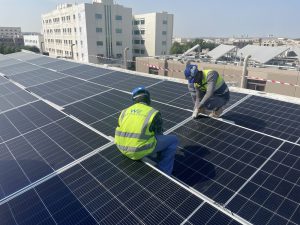
At Watts & Ergon, a DEWA-approved and ISO-certified solar EPC contractor, we specialize in designing and installing high-performance rooftop solar systems tailored specifically for warehouses, distribution centers, and industrial facilities across Dubai and the UAE.
At Watts & Ergon, a DEWA-enrolled, ISO-certified solar EPC contractor, we design and install systems specifically engineered for UAE conditions. Here’s what actually works in 2026.