
Energy Management & Energy Auditing
At Watts & Ergon, we help residential, commercial, and industrial clients across the UAE take full control of their energy consumption. Our Energy Management and Energy Auditing services combine intelligent technology with expert analysis to identify inefficiencies, reduce waste, and lower utility costs — delivering measurable results that support both your bottom line and your sustainability goals.
Combined with ongoing energy management solutions, including real-time monitoring dashboards, AI-optimized load scheduling, ISO 50001-compliant systems, and seamless solar PV integration, we help commercial buildings, villas, hotels, industrial facilities, and data centers achieve 15–40% savings on DEWA bills, extend equipment lifespan, prevent failures, and meet regulatory and green certification requirements.

Smart Energy Management Systems
Watts & Ergon designs and installs advanced smart energy management systems that give you real-time visibility and control over how energy flows through your facility. By automating monitoring, load balancing, and consumption reporting, our solutions help businesses and homeowners across the UAE eliminate energy waste, optimise performance, and make informed decisions that drive long-term cost savings.
Comprehensive Energy Audit Services
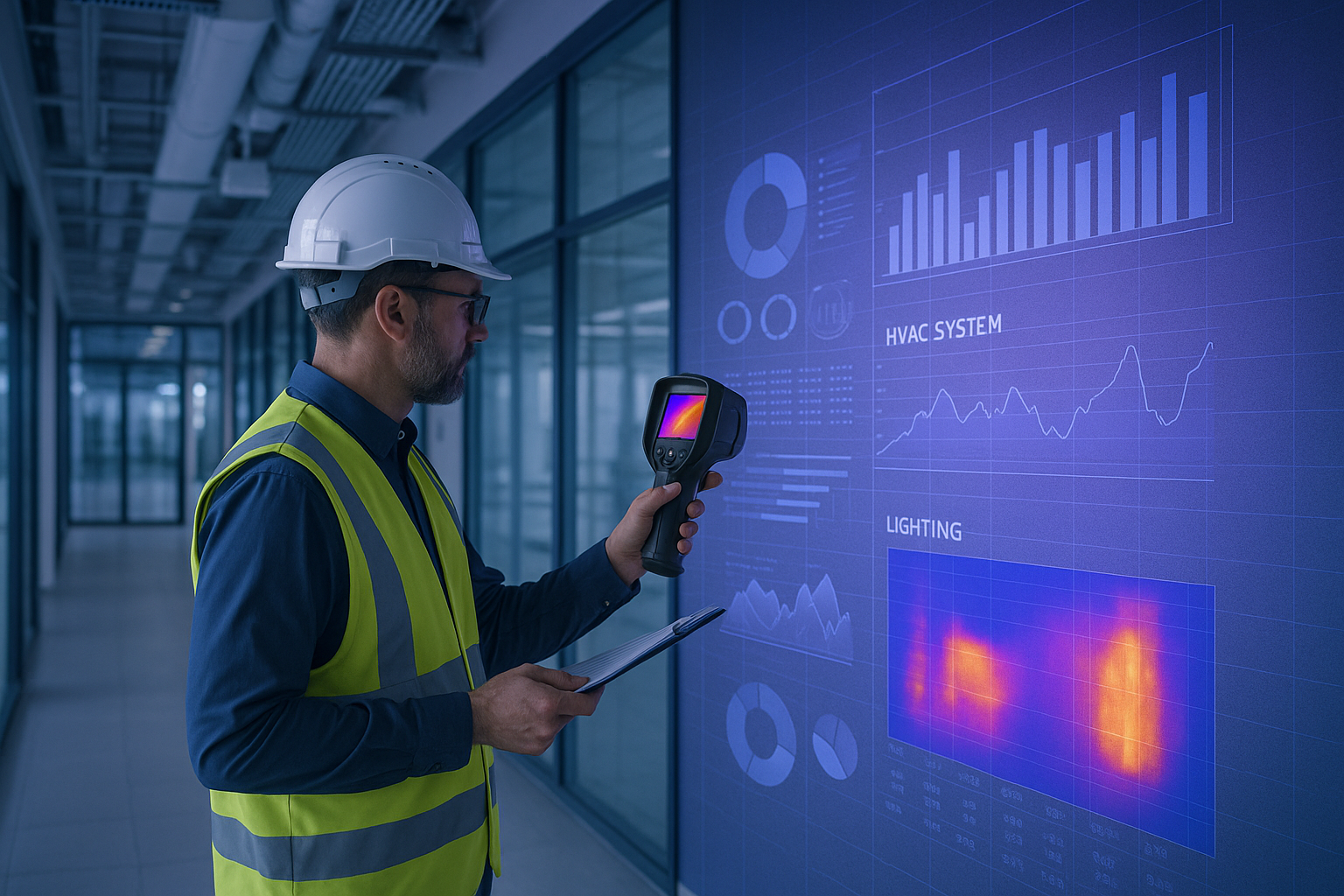
Our comprehensive energy audits provide a detailed, data-driven assessment of how your property or facility consumes energy. Watts & Ergon’s certified specialists examine your electrical systems, equipment, lighting, HVAC, and solar infrastructure to uncover hidden inefficiencies and deliver a clear, prioritized action plan — giving you the insight needed to reduce operating costs and improve energy efficiency across your entire operation. We deliver clear, prioritized reports featuring quantified savings estimates, payback periods, thermographic visuals, and tailored recommendations — from low-cost behavioral and operational tweaks to high-impact retrofits like chiller upgrades, LED lighting, variable speed drives, power factor correction, and renewable enhancements.

Optimize Your Energy. Maximize Your Savings.
In Dubai’s extreme desert climate, energy costs represent one of the largest operational expenses for facilities, villas, offices, and industrial sites. With DEWA slab tariffs reaching up to 0.380 fils/kWh plus fuel surcharges, and the Dubai Clean Energy Strategy 2050 targeting 100% clean power, optimizing energy is no longer optional—it’s a competitive and financial imperative. This 2,650-word guide delivers actionable, data-driven strategies using thermal imaging, HVAC upgrades, solar integration, and green building compliance to slash bills while future-proofing your assets.
Payback periods: 18–36 months with incentives
1. Understand DEWA Tariffs – The Foundation of Your Savings Plan
DEWA uses a progressive slab tariff system for residential and commercial users. Higher consumption pushes you into more expensive brackets. Knowing your exact slab is the first step to targeted optimization.
| Monthly Consumption (kWh) | Tariff (fils/kWh) | Color Code | Monthly Cost Example (5,000 kWh) |
|---|---|---|---|
| 0 – 2,000 | 0.230 | Green | AED 460 |
| 2,001 – 4,000 | 0.280 | Yellow | AED 1,120 (cumulative) |
| 4,001 – 6,000 | 0.320 | Orange | AED 1,920 (cumulative) |
| 6,001+ | 0.380 | Red | AED 2,660+ (cumulative) |
Additional charges (2026): Fuel surcharge ≈ 0.060 fils/kWh • Meter service fee AED 5–35 • 5% VAT applies to final bill.
2. Energy Audits: The Smart Starting Point (With Thermal Imaging)
A professional energy audit identifies hidden waste. In Dubai, thermal imaging (thermography) is the gold-standard non-invasive tool for detecting:
- Roof and wall insulation failures
- HVAC duct leaks and coil inefficiencies
- Electrical hotspots causing energy loss
- Window glazing heat gain
- Water infiltration leading to mold and extra cooling load
Case study: A premium villa in Dubai Hills achieved 20% energy reduction (AED 12,000 annual savings) after a thermal-imaging audit revealed 35% cooling loss through poor insulation.
| Audit Type | Cost (AED) | Typical Savings Identified | ROI Timeline |
|---|---|---|---|
| Basic Walk-Through | 2,500 – 4,000 | 8–12% | Immediate |
| Full Thermal + Power Logging | 6,000 – 12,000 | 20–35% | 6–18 months |
| Comprehensive (with BMS review) | 15,000 – 25,000 | 30–50% | 12–24 months |
3. Top 8 High-Impact Energy Optimization Strategies
Strategy 1: HVAC Optimization (40–60% of Dubai bills)
- Upgrade to SEER 16+ VRF systems (mandatory under Al Sa’fat Gold)
- Install smart thermostats with AI scheduling
- Regular coil cleaning + thermal imaging of ducts
- Expected savings: 25–40%
Strategy 2: Building Envelope Improvements
- High-performance insulation (U-value ≤ 0.3 W/m²K)
- Low-E glazing with SHGC ≤ 0.25
- External shading + cool roof coatings
- Thermal imaging verification post-installation
- Savings: 15–35% cooling load reduction
Strategy 3: LED Lighting + Controls
- Replace all fixtures with 120+ lm/W LEDs
- Motion sensors + daylight harvesting
- Savings: 60–80% on lighting energy
Strategy 4: Solar PV via Shams Dubai (Net Metering)
DEWA-approved rooftop solar can offset 30–100% of daytime consumption. Current payback: 4–6 years with incentives.
| System Size | Installation Cost (AED) | Annual Generation (kWh) | Annual Savings (AED) | Payback (Years) |
|---|---|---|---|---|
| 10 kW (small villa) | 35,000 – 45,000 | 18,000 | 6,500 – 8,000 | 4.5 – 5.5 |
| 50 kW (office) | 160,000 – 200,000 | 90,000 | 32,000 – 38,000 | 4.8 – 6.0 |
| 200 kW (industrial) | 650,000 – 750,000 | 360,000 | 130,000+ | 4.2 – 5.5 |
Strategy 5: Smart Metering & IoT Monitoring
- Real-time DEWA data integration
- AI predictive analytics for peak shaving
- Savings: 10–20% through behavioral changes
Strategy 6: District Cooling Conversion
Switching from conventional AC to district cooling can cut energy use by 30–50% in large facilities.
Strategy 7: Water-Energy Nexus (Pumps & Greywater)
- Variable-speed pumps
- Greywater recycling for irrigation
- Savings: 15–25% combined utility reduction
Strategy 8: Staff Training & Behavioral Programs
Simple awareness campaigns + gamification can deliver 8–15% savings at zero capital cost.
4. Regulatory Compliance = Automatic Savings
Dubai’s Al Sa’fat Green Building System (mandatory since 2020) requires minimum Silver certification for new buildings:
- Silver: 19% energy savings
- Gold: 32% energy savings
- Platinum: 35%+ energy savings
DEWA Green Tariff NOC and energy modeling (ASHRAE 90.1) are now required for most projects. Non-compliance blocks occupancy certificates.
- BMS integration mandatory
- Minimum SEER 16 for commercial HVAC
- On-site renewables where feasible (Shams Dubai)
- Thermal imaging reports for envelope verification
5. Proven ROI & Real Case Studies
| Facility Type | Investment (AED) | Annual Savings (AED) | Payback Period | CO₂ Reduction (tons/year) |
|---|---|---|---|---|
| Premium Villa (Dubai Hills) | 45,000 | 12,000 | 3.8 years | 8.5 |
| Office (Business Bay, 8,000 sq ft) | 185,000 | 68,000 | 2.7 years | 42 |
| Industrial Warehouse (JAFZA) | 420,000 | 145,000 | 2.9 years | 110 |
| Hotel (Deira, 120 rooms) | 1,200,000 | 380,000 | 3.2 years | 265 |
One DEWA-partnered audit program across multiple buildings delivered AED 13 million in cumulative savings through optimized data transfer and efficiency measures.
6. Government Incentives & Financing (2026)
- Shams Dubai Net Metering: Excess solar credits carried forward indefinitely
- DEWA Green Building Incentives: Reduced connection fees for certified projects
- Emirates Development Bank (EDB) Green Financing: Low-interest loans for solar and efficiency upgrades
- Al Sa’fat Rebates: Up to 15% cost offset for Platinum-rated retrofits
- Free-zone benefits in JAFZA/DIC for solar manufacturing/installation companies
7. Step-by-Step Implementation Roadmap (90 Days to Savings)
- Week 1–2: Book professional energy audit (thermal imaging included)
- Week 3–4: Prioritize no-cost/low-cost fixes (scheduling, sealing leaks)
- Month 2: Install smart controls + LED retrofits
- Month 3: Solar feasibility study + Shams Dubai application
- Ongoing: Quarterly thermal scans + BMS monitoring
Full payback typically occurs within 24–36 months for combined measures.
8. Challenges & How to Overcome Them
- High upfront cost → Use EDB financing and phased implementation
- Dust & heat affecting equipment → Schedule thermal imaging during cooler months + IP66-rated gear
- Disruption to operations → Off-hour retrofits and non-invasive audits
- Regulatory complexity → Hire DEWA-approved consultants for Al Sa’fat & Green Tariff NOC
9. Future Outlook – Net Zero by 2050
DEWA’s clean energy share already exceeds 21.5% (2026) and is heading to 36% by 2030. Facilities that optimize today will benefit from lower tariffs for green-compliant users and potential carbon credits. AI-driven digital twins and predictive maintenance will become standard, delivering another 10–15% savings.

FAQs
A comprehensive energy audit includes:
* Review of your DEWA utility bills and benchmarking against similar buildings
* On-site inspection of HVAC, lighting, electrical systems, building envelope, and equipment
* Diagnostic tools: thermal imaging, power logging, sub-metering, and temperature/humidity measurements
* Interviews with staff to understand operations and usage patterns
* Detailed breakdown of energy consumption by system
* Prioritized list of energy-saving recommendations (quick wins + capital upgrades)
* Savings estimates, payback periods, costs, and ROI calculations
* Professional report with thermographic images, charts, and action plan
We offer ASHRAE Level 1 (basic), Level 2 (detailed), and Level 3 (investment-grade) audits tailored for Dubai’s climate and regulations.
Contact us for a free preliminary review to see your potential savings!
The duration of an energy audit depends on your facility’s size, complexity, and audit level:
Level 1 (Walk-Through Audit): 2–6 hours on-site (quick screening for small to medium buildings/villas).
Level 2 (Detailed Audit): 1–3 full days on-site (most common for commercial buildings, offices, hotels, or larger villas), plus 1–2 weeks for analysis and reporting.
Level 3 (Investment-Grade Audit): 2–5+ days on-site (large facilities, industrial sites, or major retrofits), plus 2–4 weeks for detailed modeling and final report.
Small residential villas or apartments: usually 1 day total.
Large commercial towers or industrial facilities: 3–10+ days total, depending on scope.
We minimize disruption and schedule at your convenience. Contact us for a free consultation — we’ll give you an accurate timeline based on your specific site!
We use a combination of professional diagnostic and measurement tools to ensure accurate, reliable, and comprehensive energy audits tailored to Dubai’s climate and building types. The most commonly used include:
Thermal imaging cameras (infrared thermography) – to detect overheating electrical connections, poor insulation, HVAC leaks, hot spots in panels/equipment, and building envelope issues
Power quality & energy loggers – to record voltage, current, power factor, harmonics, and kWh consumption over time
Sub-meters & clamp-on current probes – for detailed breakdown of energy use by system (HVAC, lighting, plug loads, etc.)
Lux meters – to measure lighting levels and identify over- or under-lit areas
Temperature & humidity data loggers – to monitor indoor conditions and HVAC performance
Anemometers & airflow meters – to check air distribution and duct leakage
Digital manometers – for pressure differential and filter status in HVAC systems
Blower door equipment (when needed) – to quantify building air leakage
Light level & daylight sensors – for evaluating natural light potential and control opportunities
Software tools – energy modeling (e.g., eQUEST, DesignBuilder), analysis spreadsheets, and reporting platforms for savings calculations and visualizations
All equipment is calibrated and used by certified thermographers and energy auditors to deliver ASHRAE-compliant, investment-grade results.
These tools help us uncover hidden waste, quantify savings accurately, and provide you with clear, visual proof (especially via thermal images) of where and how you can save 15–40% on DEWA bills.
Need a quick site visit quote? Contact us today!
An IoT-based Energy Management System is a network of connected devices—such as sensors, smart meters, and controllers—that collect and analyze energy data in real-time. Instead of waiting for a monthly bill, these systems allow users to pinpoint energy waste and automatically adjust settings to save power.
How it Works
- Data Collection: Smart sensors monitor electricity, water, or gas usage continuously.
- Communication: Data is transmitted wirelessly (via Wi-Fi, 5G, or LoRaWAN) to a central cloud platform.
- Optimization: AI algorithms analyze data to detect leaks, predict peak demand, or automatically dim lights and adjust AC in empty rooms.
Application in the UAE
The UAE is a global leader in IoT adoption to manage high cooling demands and support the UAE Energy Strategy 2050.
| Sector | Local Application |
|---|---|
| Public Utilities | DEWA’s Smart Grid: Dubai uses smart meters to provide residents with “High Usage Alerts” for water leaks or power spikes. |
| Smart Buildings | HVAC Control: Since AC accounts for up to 70% of energy use in the UAE, IoT adjusts cooling based on occupancy and outdoor heat. |
| Industrial | Predictive Maintenance: Factories in Abu Dhabi and Jebel Ali use sensors to ensure heavy machinery runs efficiently without wasting power. |
| Government | Smart Lighting: Streetlights across the Emirates automatically dim during low-traffic hours to conserve electricity. |
Would you like me to find specific IoT devices or smart home kits available in the UAE to help lower your electricity bill?
Yes, you can monitor energy in real time in the UAE using these two methods:
1. Official Utility Apps (Software)
- Dubai (DEWA): Use the DEWA Smart App. The “Smart Living” dashboard provides daily and hourly breakdowns of electricity and water usage.
- Abu Dhabi (TAQA/ADDC): Use the TAQA Distribution App to track usage trends and set high-consumption alerts.
2. Smart Home Monitors (Hardware)
- Whole-Home Monitors: Devices like Sense or Smappee connect to your electrical panel to identify usage for specific appliances (AC, fridge, etc.) in real-time.
- Smart Plugs: Brands like TP-Link Kasa or Xiaomi (available on Amazon.ae) offer plugs that monitor the live wattage of individual devices.
- Free: Use your DEWA/TAQA app for daily/hourly tracking.
- Advanced: Install Smart Plugs or a Sense Monitor for live, appliance-specific data.
While IoT systems provide the data and automation needed to reduce costs, they do not “guarantee” savings on their own. The final result depends on how the data is used.
1. Residential (Self-Managed)
There is no legal guarantee. A monitoring system identifies a 24/7 water leak or an AC running in an empty room, but you only save money if you fix the leak or adjust the settings. Households in the UAE typically see 15% to 30% reductions through habit changes.
2. Commercial (ESCO Model)
In the UAE business sector, many providers offer Guaranteed Savings Contracts. If the agreed-upon energy reduction (e.g., 20%) is not met, the provider often pays the difference in the utility bill.
| User Type | Is it Guaranteed? | Primary Driver of Savings |
|---|---|---|
| Homeowners | No | Behavior and habit changes. |
| Businesses | Yes (Contractual) | Energy Performance Contracts. |
| Industrial | Yes (Technical) | Automated machinery optimization. |