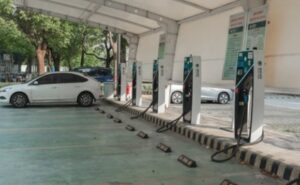
EV Charger Installation in Dubai: (2026 Guide)
At Watts & Ergon, a DEWA-approved solar and electrical contractor, we provide complete EV charger installation services for villas, apartments, offices, hotels, and commercial properties across Dubai.

At Watts & Ergon, we have designed and installed hundreds of solar PV systems across Dubai, Abu Dhabi, Sharjah, and other emirates. Our clients consistently achieve payback periods between 5 and 8 years with long-term ROI exceeding 15–25% annually after breakeven.
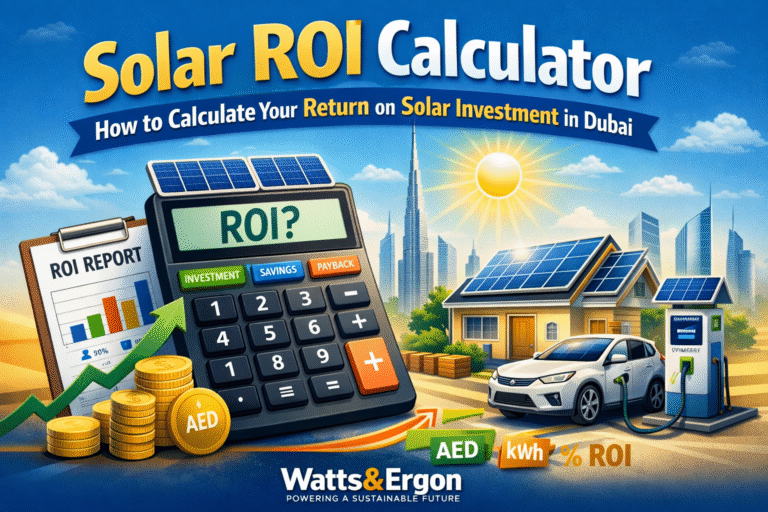
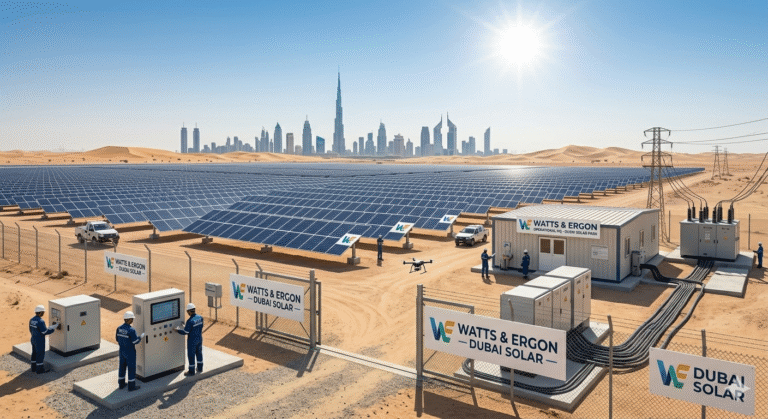
The United Arab Emirates continues to lead the Middle East in solar energy adoption, driven by abundant sunshine (over 2,200 kWh/m² annually in many areas), falling panel costs, and strong government support through DEWA’s Shams Dubai and D33 initiatives, along with ADDC programs. For property owners and businesses, understanding Solar ROI in UAE is essential before making the switch to clean energy.
At Watts & Ergon, we have designed and installed hundreds of solar PV systems across Dubai, Abu Dhabi, Sharjah, and other emirates. Our clients consistently achieve payback periods between 5 and 8 years with long-term ROI exceeding 15–25% annually after breakeven.
The UAE’s desert climate offers some of the best solar irradiance in the world. Combined with high electricity tariffs (especially in higher consumption slabs), net metering, and declining installation costs, solar investments deliver excellent returns. In 2026, solar is no longer just an environmental choice — it is a smart financial decision.
Costs have decreased significantly due to global supply chain improvements and local expertise.
| System Size | Typical Application | Average Cost (AED) | Cost per kW (AED) |
|---|---|---|---|
| 5 kW | Small Villa / Apartment | 20,000 – 30,000 | 4,000 – 6,000 |
| 10 kW | Standard Villa | 35,000 – 50,000 | 3,500 – 5,000 |
| 50 kW | Commercial Building | 150,000 – 220,000 | 3,000 – 4,400 |
| 100 kW+ | Industrial / Large Facility | 280,000+ | 2,800 – 4,000 |
Thanks to high solar yield and attractive electricity rates, payback periods in the UAE are among the most competitive globally.
| Segment | Average Payback Period | Expected Annual ROI (Post Payback) | System Lifespan |
|---|---|---|---|
| Residential (Villa) | 5.5 – 7 years | 18 – 25% | 25 – 30 years |
| Commercial | 4.5 – 6.5 years | 20 – 28% | 25 – 30 years |
| Industrial | 4 – 6 years | 22 – 30%+ | 25 – 30 years |
Initial Investment: AED 42,000
Annual Energy Production: ~16,500 kWh
Annual Savings: AED 6,800 – 7,500 (based on average tariff)
Payback Period: 5.8 years
Total Savings over 25 years: AED 180,000+ (after payback)
Initial Investment: AED 320,000
Annual Production: ~170,000 kWh
Annual Savings: AED 65,000+
Payback Period: 4.9 years
Additional benefits: Reduced peak demand charges and enhanced corporate sustainability profile.
| Year | Cumulative Savings (AED) – 10kW System | Net Cash Flow (AED) | ROI Status |
|---|---|---|---|
| Year 1 | 7,200 | -42,000 + 7,200 = -34,800 | Investment Phase |
| Year 5 | 36,000 | -6,000 (nearing breakeven) | Almost Paid Off |
| Year 7 | 50,400 | +8,400 | Positive ROI Begins |
| Year 15 | 108,000 | +66,000 | Strong Returns |
| Year 25 | 180,000+ | +138,000+ | Excellent Long-term Gain |
Shams Dubai is ideal for residential and small commercial users with net metering benefits. The D33 Solar PV Initiative allows larger captive generation up to full load demand with attractive feed-in tariffs (10.5 fils/kWh for excess in certain seasons) and reduced connection charges.
Besides strong financial ROI, solar installations help reduce carbon footprint significantly. A 10 kW system can offset approximately 10–12 tons of CO₂ annually. Additional perks include increased property value, energy independence, and alignment with UAE’s Net Zero 2050 vision.
With continued cost reductions, battery storage integration, and supportive policies, solar ROI in the UAE is expected to improve further. By 2030, solar is projected to play a dominant role in the country’s energy mix.
As a trusted electrical and renewable energy specialist in the UAE, Watts&Ergon provides:
Ready to calculate your personal Solar ROI in UAE?
Contact Watts&Ergon today for a free site assessment and detailed savings projection.
At Watts & Ergon, a DEWA-approved solar and electrical contractor, we provide complete EV charger installation services for villas, apartments, offices, hotels, and commercial properties across Dubai.
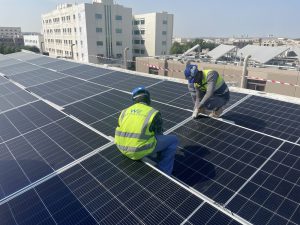
At Watts & Ergon, a DEWA-approved and ISO-certified solar EPC contractor, we specialize in designing and installing high-performance rooftop solar systems tailored specifically for warehouses, distribution centers, and industrial facilities across Dubai and the UAE.
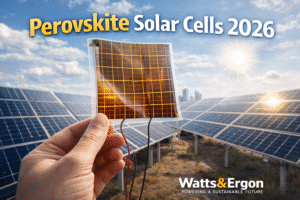
At Watts & Ergon, a DEWA-enrolled, ISO-certified solar EPC contractor, we design and install systems specifically engineered for UAE conditions. Here’s what actually works in 2026.