How Solar Energy Supports Sustainable Agriculture in UAE
At Watts & Ergon, we specialize in delivering tailored solar solutions for the agricultural sector, helping farms transition to clean energy with reliable, high-performance systems.
In an era of climate change, rising energy costs, and growing food demand, sustainable agriculture has become essential. Solar energy emerges as one of the most powerful tools to achieve it. By harnessing the sun’s abundant, clean power, farmers can reduce operational costs, minimize environmental impact, and increase productivity—all while building long-term resilience.
At Watts & Ergon, we specialize in delivering tailored solar solutions for the agricultural sector, helping farms transition to clean energy with reliable, high-performance systems.
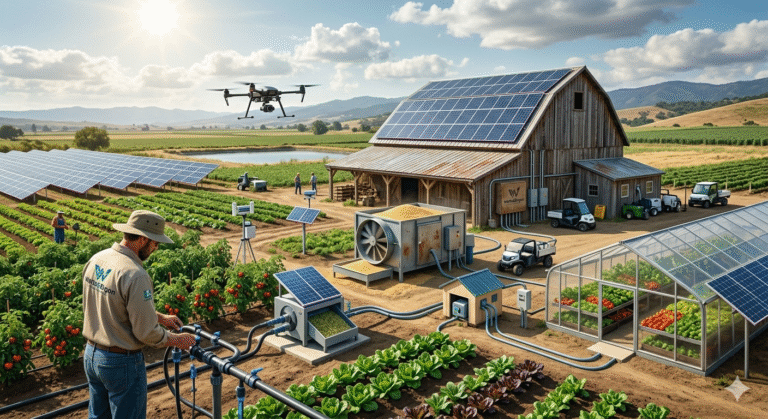
Irrigation is one of the largest energy consumers in farming. Traditional diesel or grid-powered pumps are expensive and polluting. Solar-powered irrigation systems use photovoltaic panels to run water pumps directly, storing excess energy in batteries for nighttime or cloudy-day use.
Benefits:
Up to 80-90% reduction in irrigation energy costs
No fuel dependency
Automated, remote-controlled systems
2. Supporting Crop Drying and Processing
Solar dryers and solar-powered processing units help preserve crops without relying on fossil fuels. This is especially valuable for fruits, grains, herbs, and spices.
3. Enabling Smart Farming Technologies
Modern agriculture depends on sensors, IoT devices, drones, and automated systems. Solar energy provides clean, off-grid power for these technologies, making precision agriculture accessible even in remote areas.
4. Greenhouse and Vertical Farming Operations
Greenhouses and indoor vertical farms require significant electricity for lighting, climate control, and water circulation. Solar rooftop installations or ground-mounted systems can offset these high energy demands while reducing carbon footprints.
5. Livestock and Dairy Operations
Solar energy powers electric fencing, water heaters, milking machines, and refrigeration units for dairy farms, improving animal welfare and product quality.
Key Benefits of Solar Energy in Agriculture
Aspect
Traditional Energy (Diesel/Grid)
Solar Energy (Watts&Ergon Solutions)
Impact on Sustainability
Energy Cost
High and volatile
70-90% lower after payback
Major cost savings
Carbon Emissions
High CO₂ output
Near-zero operational emissions
Climate change mitigation
Reliability
Dependent on fuel supply/grid
Independent (with battery storage)
Energy security
Maintenance
Frequent (fuel, generators)
Low (panels last 25+ years)
Reduced downtime
Water Usage Efficiency
Lower (manual/inefficient pumps)
Higher (precise solar irrigation)
Water conservation
Government Incentives
Limited
Eligible for subsidies & tax credits
Faster ROI
Long-term ROI
Poor
3-6 years payback period
Strong financial returns
Real-World Impact
Farmers using solar solutions often report:
Increased crop yields through reliable water supply
Ability to expand operations without proportional cost increases
Improved market access (eco-certifications and premium pricing)
Greater resilience against fuel price spikes and power outages
Watts & Ergon, has helped numerous farms across the region implement solar irrigation, rooftop solar for cold storage, and hybrid systems.
Challenges and Solutions
While the initial investment can seem high, various financing options, green loans, and government incentives significantly reduce the barrier. At Watts & Ergon, we provide end-to-end support — from site assessment and system design to installation, financing assistance, and after-sales service.
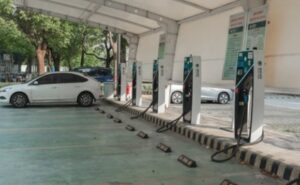
At Watts & Ergon, a DEWA-approved solar and electrical contractor, we provide complete EV charger installation services for villas, apartments, offices, hotels, and commercial properties across Dubai.
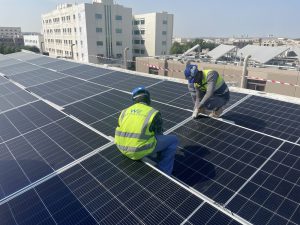
At Watts & Ergon, a DEWA-approved and ISO-certified solar EPC contractor, we specialize in designing and installing high-performance rooftop solar systems tailored specifically for warehouses, distribution centers, and industrial facilities across Dubai and the UAE.
At Watts & Ergon, a DEWA-enrolled, ISO-certified solar EPC contractor, we design and install systems specifically engineered for UAE conditions. Here’s what actually works in 2026.