As the global transition to renewable energy accelerates, the term “EPC” has become the gold standard for delivering high-quality, high-yield solar projects. But what does it actually mean for a business owner or an investor looking to go solar?
At Watts & Ergon, , we operate at the heart of this model, providing the high-grade components that make these complex projects possible. In this guide, we break down the Solar EPC business model, its phases, its benefits, and why it is the preferred method for commercial and industrial (C&I) solar installations.
1. Defining the EPC Model: The “Turnkey” Philosophy
EPC stands for Engineering, Procurement, and Construction. In the solar industry, an EPC contractor is a single entity that takes a project from a conceptual drawing on a piece of paper to a fully functioning, grid-connected power plant.
The core value of the EPC model is that it provides a turnkey solution. Instead of a client hiring a separate designer, a separate parts supplier, and a separate labor crew, the EPC firm manages the entire lifecycle of the project.
The Three Pillars of EPC:
- Engineering: Designing the system for maximum efficiency, structural integrity, and electrical safety.
- Procurement: Sourcing high-performance panels, batteries, inverters, and electrical components (where Watts & Ergon excels).
- Construction: The physical installation, wiring, and grid synchronization of the system.
2. Phase 1: Engineering (The Brain of the Project)
The engineering phase is where the ROI (Return on Investment) of a solar plant is decided. A poorly engineered system will underperform for 25 years; a well-engineered one will exceed its yield targets.
Site Assessment & Feasibility
Before a single bolt is tightened, engineers conduct:
- Shading Analysis: Using 3D modeling to ensure no nearby structures reduce energy output.
- Geotechnical Studies: Testing soil or roof structure to ensure it can handle wind-load and panel weight.
- Electrical Infrastructure Review: Determining if the existing distribution boards can handle solar input.
3. Phase 2: Procurement (The Heart of the Project)
Procurement is a strategic advantage when partnering with a reliable supplier. The EPC firm must source components that offer long-term warranties and high efficiency.
| Component Category |
Key Procurement Metric |
Why It Matters |
| Photovoltaic Modules |
Degradation Rate |
Determines energy output in year 20 vs. year 1. |
| Solar Inverters |
European Efficiency |
Defines how much DC power is successfully converted to AC. |
| Mounting Racking |
Wind Load Rating |
Essential for safety during storms or high-wind events. |
| Electrical Switchgear |
Compliance (IEC/UL) |
Prevents fire hazards and ensures local utility approval. |
4. Phase 3: Construction (The Muscle of the Project)
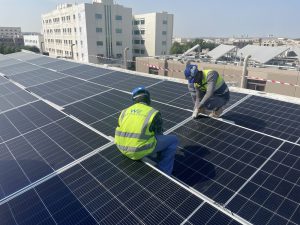
In a Solar EPC model, the contractor manages all on-site labor and safety protocols. Key milestones include civil works, mechanical installation of racking, and electrical wiring followed by rigorous commissioning.
The Watts & Ergon Advantage: While some focus solely on labor, we focus on the technical integrity of the supply chain, ensuring that the “Procurement” pillar is built on a foundation of quality.
5. The EPC Lifecycle Summary
| Phase |
Responsibility |
Key Deliverable |
| Engineering |
Technical Design |
SLDs, Layouts, Yield Forecasts |
| Procurement |
Sourcing |
Delivery of Panels, Inverters, and BOS |
| Construction |
Physical Build |
Installed Racking, Wiring, and Safety |
| Commissioning |
Verification |
Testing Report and Grid Interconnection |
| O&M |
Ongoing Care |
Cleaning, Repairs, and Monitoring |
6. Conclusion
The Solar EPC business model turns a complex infrastructure project into a predictable financial product. By understanding the three pillars of Engineering, Procurement, and Construction, investors can ensure they are selecting partners who value quality over the lowest possible bid.
Watts & Ergon: Powering the EPC Industry with Precision.